
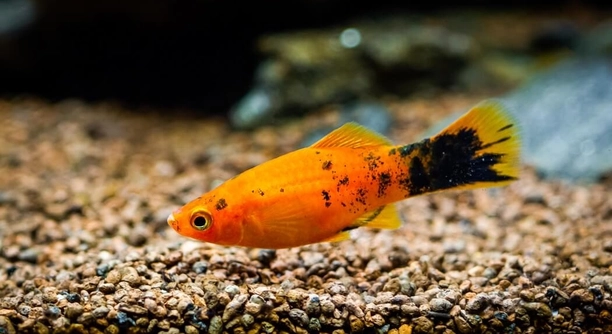
Many fish owners enjoy keeping platies because they are colorful and easy to care for. Changing their water can sometimes feel tricky, especially when introducing them to a new tank. Understanding how quickly platies adapt helps maintain their health and comfort.
Platies can adjust to new water relatively fast if the water parameters are stable and similar to their previous environment. Sudden drastic changes in temperature, pH, or hardness can stress them, but gradual acclimation promotes a smoother transition and reduces risks.
Knowing how to help your platies settle in quickly can improve their well-being and make your aquarium experience more enjoyable.
How Platies React to Water Changes
Platies are generally hardy fish, but they still notice changes in their environment. When moved to new water, they might show signs of stress such as hiding or slower swimming. This reaction happens because their bodies need time to adjust to differences in temperature, pH, and mineral content. If these factors change suddenly, it can shock their system. Over time, though, platies can adapt well if the new water conditions are stable and safe. Regular water testing helps ensure the environment stays healthy. Many aquarists recommend gradually mixing old tank water with the new water to help platies get used to it more easily. This process reduces the sudden impact of change. Keeping the water clean and maintaining good filtration also supports a healthy adjustment period. The more stable the conditions, the faster platies will settle in and resume their normal behavior.
Introducing platies slowly to new water prevents most stress-related issues and supports their overall health.
Careful attention to water quality during changes helps your platies thrive in their tank.
Best Practices for Acclimating Platies
Using the drip acclimation method is a reliable way to help platies adjust. This technique involves slowly adding new water to the container holding the fish over one to two hours. It reduces shock from rapid changes. Before starting, test both the old and new water to compare temperature, pH, and hardness. If the new water is very different, adding it in small amounts over time is important. Some aquarists prefer floating the fish in a bag inside the new tank for about 15-20 minutes to equalize temperature first. Avoid sudden water changes larger than 20-30% in the main tank, as platies are sensitive to big shifts. Regular partial water changes are better for their health. Keeping water parameters consistent will make acclimation easier and reduce the chance of illness or stress. With patience and care, platies quickly become comfortable in their new home.
Signs of Stress in Platies After Water Change
Platies may show signs of stress such as clamped fins, loss of appetite, or hiding more than usual. Watching for these behaviors helps catch problems early. Stress can weaken their immune system and make them vulnerable to disease if not addressed quickly.
If you notice your platies acting differently after a water change, check the water quality immediately. Sudden shifts in temperature or pH are often the cause. Make sure the tank is well-aerated and maintain stable conditions. Sometimes, adding a stress-relief additive can help calm them during the transition. Also, avoid overfeeding as stressed fish tend to eat less. Give them time to adjust and keep the environment quiet and calm. Regular monitoring during this period is essential to prevent prolonged stress.
Keeping a close eye on your platies during water changes can prevent serious health issues. Acting quickly at the first sign of stress will help your fish recover faster and stay healthy.
Maintaining Stable Water Conditions for Platies
Maintaining stable water conditions is crucial for platies to thrive. Sudden changes in pH, temperature, or hardness can cause stress and illness. Regular testing of tank water ensures parameters stay within a safe range.
Using a reliable water conditioner and performing consistent partial water changes help maintain balance. Keep the tank clean and avoid overcrowding, which can affect water quality. It’s also important to monitor ammonia, nitrite, and nitrate levels, as high readings can harm fish. When introducing new water, match the temperature and chemistry as closely as possible. This creates a stable environment that supports the health and longevity of your platies. Proper maintenance reduces stress and lets your fish live comfortably.
How Temperature Affects Platies During Water Changes
Platies prefer stable temperatures between 72°F and 78°F. Sudden temperature shifts can cause stress or illness.
When changing water, matching the new water’s temperature to the tank’s is important. Use a reliable thermometer to avoid drastic changes that might shock the fish.
Common Mistakes When Introducing Platies to New Water
Rushing the acclimation process is a frequent mistake. Adding platies directly into new water without gradual adjustment causes stress. Large, sudden water changes or ignoring water parameter differences also harm their health. Patience and proper testing are key.
Importance of Regular Monitoring
Regularly checking water quality after changes prevents problems. Frequent tests allow quick corrections to keep platies healthy.
Using Conditioners to Ease Transition
Water conditioners remove harmful chemicals like chlorine and chloramine. Using them helps platies adjust to new water safely.
FAQ
How long does it take for platies to get used to new water?
Platies usually start adjusting within a few hours if the water parameters are similar. Full acclimation can take a couple of days to a week, depending on how different the new water is. Gradual changes speed up the process and reduce stress.
Can platies survive a sudden water change?
Sudden water changes are risky. If the new water differs greatly in temperature, pH, or hardness, platies can become stressed or even die. Small, frequent water changes are safer and help keep their environment stable.
What is the best way to acclimate platies?
The drip acclimation method works best. Slowly mixing new water into the container holding your platies over one to two hours lets them adjust gradually. This method prevents shock from sudden changes in water chemistry or temperature.
Why do platies hide after water changes?
Hiding is a common stress response. It means the fish are uncomfortable or unsure about the new conditions. Providing hiding spots in the tank helps them feel secure while they adjust.
How often should I change the water for platies?
Changing about 20-30% of the water weekly is ideal. This keeps the tank clean without causing large shifts in water chemistry. Regular partial changes maintain a healthy environment and reduce stress.
What water parameters are best for platies?
Platies prefer water with a pH between 7.0 and 8.2, temperature from 72°F to 78°F, and moderate hardness. Keeping these stable supports their health and helps them adapt easily to changes.
Can I use tap water for platies?
Tap water is usually fine if treated properly. Use a water conditioner to remove chlorine and chloramine. Always test tap water for pH and hardness before adding it to the tank.
How do I know if water conditions are stressing my platies?
Signs include clamped fins, loss of appetite, erratic swimming, or lethargy. Monitoring behavior after water changes helps detect stress early so you can act quickly.
What should I do if my platies seem sick after a water change?
Check water quality immediately. Test for ammonia, nitrites, nitrates, pH, and temperature. Correct any imbalances and perform a partial water change if needed. If symptoms persist, consider consulting a vet or experienced aquarist.
Is it okay to change all the water at once?
Changing all the water at once is not recommended. It causes large shifts in water chemistry and removes beneficial bacteria. Partial changes maintain stability and protect your fish’s health.
How can I make the transition easier for platies?
Match new water temperature and parameters closely to the old water. Use drip acclimation and add water conditioners. Keep the environment calm and avoid sudden changes to reduce stress.
Are platies sensitive to chlorine in water?
Yes, chlorine is harmful to platies. Always use a water conditioner to neutralize chlorine and chloramine before adding tap water to the tank.
What role does tank size play in water changes?
Larger tanks buffer changes better, making water parameters more stable. In smaller tanks, even minor changes can cause stress, so partial water changes must be done carefully.
How does water hardness affect platies?
Platies prefer moderate hardness. Very soft or very hard water can cause stress and affect their health. Testing water hardness and adjusting as needed helps create a comfortable environment.
Can plants in the tank help platies adjust?
Live plants improve water quality by absorbing nitrates and providing oxygen. They also offer hiding spots, reducing stress during water changes and helping platies feel secure.
Platies are generally resilient fish that can adjust to new water conditions if given time and proper care. When changing water or moving them to a new tank, it’s important to avoid sudden changes in temperature, pH, or hardness. These shifts can cause stress, which might weaken their immune system or lead to illness. Taking steps to keep the water stable, such as testing regularly and slowly acclimating the fish, makes a big difference. Using methods like drip acclimation or mixing old water with new water helps platies get used to the change without shock. Paying attention to how they behave after a water change also lets you catch any problems early.
Keeping water conditions stable is one of the best ways to help platies stay healthy and happy. Regular partial water changes, around 20-30% weekly, keep the tank clean while avoiding large shifts in water chemistry. It’s important to treat tap water with a conditioner to remove harmful chemicals like chlorine before adding it to the tank. Monitoring water parameters such as temperature, pH, and hardness also supports a good environment for your fish. When these conditions are consistent, platies are less likely to experience stress and can focus on thriving in their home.
Watching for signs of stress in your platies after water changes is key to preventing health issues. If you notice hiding, loss of appetite, or clamped fins, it might be a sign that the water change was too sudden or the new water’s parameters differ too much. In these cases, checking water quality and making adjustments quickly can help the fish recover. Providing plants and places to hide gives platies a sense of security while they adjust. Overall, patience and care during water changes will help your platies live a longer, healthier life in your aquarium.

Hello,
If you enjoy the content that we create, please consider saying a "Thank You!" by leaving a tip.
Every little bit helps us continue crafting quality advice that supports the health, happiness, and well-being of pets around the world, for pets of all shapes, sizes, and species.
We really appreciate the kindness and support that you show us!