
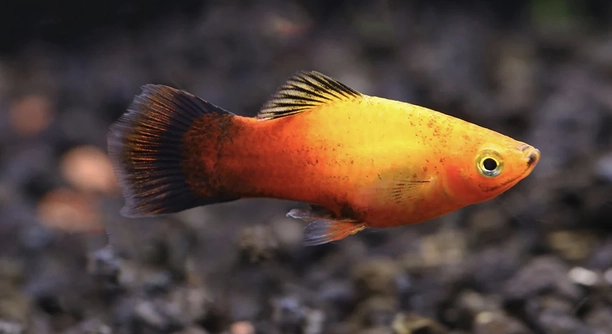
Platies are popular freshwater fish often kept in home aquariums for their vibrant colors and peaceful nature. Aquarium owners pay close attention to their care, including lighting, to maintain a healthy environment for these delicate creatures. Proper lighting can affect their well-being in many ways.
Platies cannot get sunburnt from typical aquarium tank lighting, as these lights do not emit the same harmful UV rays found in natural sunlight. Most standard tank lights are designed to simulate daylight without causing damage to the fish’s skin or scales.
Understanding the effects of tank lighting helps ensure your platies remain healthy and comfortable in their environment. This article explains the relationship between lighting and fish care in simple terms.
How Aquarium Lighting Affects Platies
Aquarium lighting plays an important role in the health of platies. Most tank lights provide visible light and limited UV rays, which are necessary for plants and fish to thrive. However, the UV levels in typical aquarium lights are very low compared to natural sunlight. This means platies are unlikely to suffer from UV damage or sunburn. Bright lights can sometimes stress fish, making them hide or lose color temporarily. It’s important to balance the lighting duration and intensity. Using a timer for lights helps mimic natural day and night cycles, which supports the fish’s natural rhythm. Avoid placing tanks in direct sunlight to prevent excessive heat and light. Proper lighting encourages plant growth and shows off the platies’ vibrant colors without harming them.
Some specialized aquarium lights include UV components for reef tanks but are not usually recommended for freshwater tanks with platies.
Keeping lighting moderate and consistent helps maintain a calm, healthy environment for your fish, supporting their natural behavior and appearance.
Signs of Light Stress in Platies
Platies may show stress if the lighting is too strong or on for too long.
Signs include hiding more often, pale colors, or erratic swimming. These behaviors suggest the lighting may be uncomfortable. Fish need periods of darkness to rest, so extended light exposure disrupts their natural cycle and can affect their immune system. Adjusting the light schedule or using dimmer lights can help reduce stress. Observing your platies daily allows you to catch early signs and make quick changes. Keeping a balanced environment with moderate light, proper filtration, and stable water conditions will ensure your platies stay healthy and active over time.
Preventing Light-Related Issues in Platies
Controlling light exposure is key to preventing stress in platies. Use a timer to regulate how long the lights stay on. Avoid placing tanks in direct sunlight to reduce heat and strong light intensity.
Adjust the lighting duration gradually if you need to increase or decrease it. Sudden changes can upset your fish. Many hobbyists find 8 to 10 hours of light per day works well. Too much light can promote algae growth, which affects water quality. Also, ensure your tank lighting is designed for freshwater aquariums, as some bulbs emit stronger UV rays unsuitable for platies. Watching how your fish respond helps you make the right adjustments quickly. Keeping a stable routine benefits their health and comfort.
Some aquarists add floating plants or decorations to provide shaded areas. This gives platies a place to escape bright light and feel safe. A balanced lighting setup supports both fish and plants in the tank.
Choosing the Right Aquarium Lighting
Selecting suitable lighting depends on your tank size, fish species, and plants. LED lights are popular because they use less energy and produce less heat. They offer good control over brightness and color spectrum. Fluorescent bulbs are another option but may generate more heat and need regular replacement. Consider lights designed specifically for freshwater tanks, which focus on visible light without strong UV output. Proper lighting enhances the tank’s appearance while keeping fish healthy. Avoid overly bright or harsh lighting that causes stress. A light with adjustable settings lets you customize the environment based on your platies’ needs. Matching light intensity to the tank setup helps prevent problems like algae overgrowth and fish discomfort. Prioritize quality and functionality over aesthetics to support your fish’s well-being.
Effects of Prolonged Exposure to Bright Lights
Long exposure to bright lights can cause stress in platies. They may become less active and hide more frequently. This can affect their appetite and overall health if not addressed.
Reducing light intensity or shortening the lighting period helps platies recover. Providing shaded areas encourages natural behavior and reduces stress levels.
How to Adjust Lighting for Platies
Start by setting your aquarium lights on a timer for about 8 to 10 hours daily. Gradually increase or decrease this duration if needed. Observe your fish’s behavior closely during these changes. If they seem restless or hide often, reduce the lighting time or dim the lights.
Adjusting the light intensity rather than duration can also be effective. Some LED lights allow you to lower brightness without changing the schedule. Maintaining a consistent lighting routine helps platies stay healthy and comfortable in their environment. Avoid sudden changes to prevent unnecessary stress.
Summary of Lighting Tips
Balanced, moderate lighting is best. Use timers and avoid direct sunlight exposure to keep platies comfortable.
FAQ
Can platies get sunburnt from regular aquarium lighting?
Platies cannot get sunburnt from typical aquarium lighting because most home aquarium lights do not emit harmful ultraviolet (UV) rays like natural sunlight. These lights are designed to mimic daylight for plants and fish without causing damage. While bright lights can stress platies, they do not cause sunburn or skin damage like real sun exposure might.
What kind of lighting is safest for platies?
The safest lighting for platies is moderate-intensity LED or fluorescent lights made for freshwater aquariums. These lights provide enough brightness to show fish colors and support live plants without excessive UV rays or heat. Adjustable lighting systems with timers are ideal for maintaining a regular day-night cycle, which is important for fish health.
How long should aquarium lights be on for platies?
Lighting should typically be on for 8 to 10 hours each day. This schedule mimics natural daylight cycles and helps maintain a healthy environment. Keeping lights on for longer periods can stress platies, encourage algae growth, and disrupt their resting periods. Using a timer ensures consistent lighting without guesswork.
Can too much light harm platies?
Yes, too much light can cause stress in platies. They may hide more, lose their vibrant colors, and show signs of discomfort. Excess light can also lead to algae overgrowth, which affects water quality and the tank’s overall health. Adjusting the lighting intensity or reducing daily exposure helps prevent these problems.
How do I know if my platies are stressed by lighting?
Signs of light stress include hiding frequently, pale colors, reduced activity, and erratic swimming. These behaviors suggest the lighting may be too bright or on for too long. Watching your platies daily helps catch early signs of stress, allowing you to adjust the lighting or environment before problems worsen.
Is direct sunlight harmful to aquarium fish like platies?
Direct sunlight is generally harmful to aquarium fish. It increases water temperature quickly and exposes fish to strong UV rays, which tanks lights do not produce. This can stress fish, promote harmful algae growth, and upset the tank’s balance. It’s best to keep tanks away from windows or cover them to block sunlight.
Can adding plants help with lighting stress?
Yes, adding live or artificial plants provides shaded areas where platies can escape bright light. Plants also help absorb excess nutrients, limiting algae growth caused by strong lighting. Floating plants are especially useful as they reduce light penetration and create a more natural environment that reduces fish stress.
Do platies need UV light to stay healthy?
Platies do not require UV light to stay healthy. They thrive under visible light provided by aquarium lights designed for freshwater tanks. UV light is more important for some marine species or corals. For platies, avoiding strong UV exposure helps prevent stress and potential damage.
What should I do if my platies show signs of light stress?
If your platies show signs of stress, start by reducing the lighting period or dimming the lights. Adding shaded areas with plants or decorations can also help. Make sure the tank isn’t exposed to direct sunlight. Monitoring water quality and maintaining stable conditions supports recovery from stress.
Can changing the light color help platies?
Changing light color can sometimes help reduce stress. Cooler or softer light tones tend to be less harsh than bright white or blue lights. Some LED systems offer adjustable colors, letting you find a comfortable setting for your fish. Always observe how your platies respond to any lighting changes and adjust accordingly.
Platies are resilient fish that adapt well to typical aquarium lighting, which usually does not pose a risk of sunburn. Understanding the nature of the lights used in home tanks helps prevent unnecessary worry about UV damage. Most aquarium lights are designed to emit visible light that supports fish and plant health without the harmful ultraviolet rays found in natural sunlight. This means platies are generally safe under regular tank lighting when used correctly. Maintaining a consistent lighting schedule and avoiding direct sunlight exposure can help keep your fish comfortable and healthy over time.
Lighting affects more than just the fish; it also influences the entire tank environment. Proper light levels support plant growth, which benefits the tank’s ecosystem by providing oxygen and shelter for platies. However, too much light can lead to unwanted algae growth, which negatively impacts water quality. Balancing light intensity and duration is key to preventing stress in platies and maintaining a clean, stable aquarium. Using timers and choosing the right type of light designed specifically for freshwater tanks helps create an ideal environment. Adding plants and decorations can also offer shaded areas, giving platies places to retreat if the light feels too strong.
Keeping your platies healthy involves paying attention to their behavior and tank conditions. Signs of stress from lighting include hiding, pale colors, and reduced activity. Adjusting light duration or intensity can quickly improve their comfort. With a balanced lighting plan, platies can display their natural colors and behaviors without risk of damage. Regular observation and small adjustments go a long way in ensuring a calm and healthy aquarium. Lighting is just one part of good fish care, and understanding its effects allows you to provide the best environment possible for your platies.

Hello,
If you enjoy the content that we create, please consider saying a "Thank You!" by leaving a tip.
Every little bit helps us continue crafting quality advice that supports the health, happiness, and well-being of pets around the world, for pets of all shapes, sizes, and species.
We really appreciate the kindness and support that you show us!