
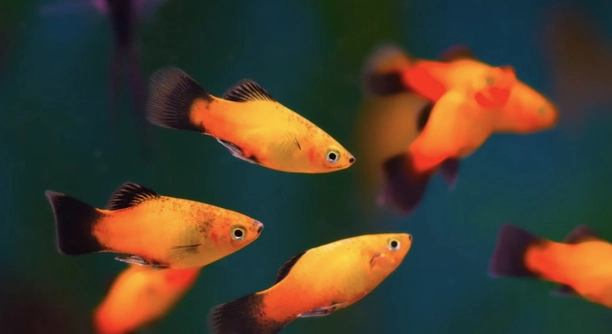
Platies are popular freshwater fish often kept in home aquariums. Their small size and active nature make them enjoyable to watch. Tank setups usually include decorations and equipment that create a safe and stimulating environment for these fish.
Platies can occasionally get stuck behind certain tank equipment, especially if there are narrow gaps or sharp edges. Their slender bodies allow some movement, but cramped spaces behind filters or heaters may trap them temporarily, posing a risk if not addressed promptly.
Knowing how platies interact with their tank surroundings can help prevent accidents. Understanding these details supports a healthier and safer habitat for your fish.
Why Platies Might Get Stuck Behind Tank Equipment
Platies are curious by nature and like to explore every corner of their aquarium. Tank equipment such as filters, heaters, and air pumps often have small spaces or gaps around them. These narrow areas can sometimes trap platies, especially if the fish try to squeeze through tight spots. Over time, tanks can accumulate debris or algae that might reduce the size of these gaps, increasing the chance of fish getting stuck. Additionally, some older or homemade equipment might not have smooth edges, which can make it harder for fish to move freely. Regular tank maintenance and thoughtful equipment placement help reduce these risks. Keeping the aquarium clean and inspecting the setup can prevent platies from becoming trapped or injured behind equipment.
Maintaining proper space around tank devices is key. Ensuring no sharp or small gaps exist helps keep platies safe and comfortable.
Being aware of the tank layout and how your fish interact with it can make a big difference. Adjusting equipment placement or adding barriers to block tight spots helps keep platies from exploring risky areas. Regular checks and cleaning reduce chances of debris buildup that narrows spaces further. In some cases, replacing older equipment with safer designs improves overall tank safety. Small changes in how the equipment is set up can prevent a lot of stress for your fish and make the aquarium easier to maintain.
How to Prevent Platies From Getting Trapped
Blocking access to risky spots around equipment is important. Using aquarium-safe mesh or guards can close gaps where platies might try to squeeze through.
Installing protective covers or guards over filters and heaters helps limit access behind these devices. These barriers should allow water flow but prevent fish from entering tight spaces. Also, placing decorations strategically can block narrow openings. Creating hiding spots away from equipment encourages platies to explore safer areas. It’s useful to observe your fish’s behavior and note any areas they frequent near equipment. Making small adjustments based on these observations improves tank safety.
Regular maintenance is equally important. Cleaning equipment and removing debris prevents spaces from becoming smaller or harder to navigate. Some equipment designs have removable parts, which can be cleaned more thoroughly. Replacing damaged or old items reduces sharp edges that may injure fish. Checking tank layout periodically ensures that safety measures remain effective. Overall, a combination of good tank design, observation, and maintenance will protect platies and keep the aquarium environment healthy.
Common Tank Equipment That Can Trap Platies
Filters and heaters are the most common equipment where platies can get stuck. These devices often have small openings or gaps that fish may try to swim through. Air stones and tubing can also create tight spaces that are risky for small fish.
Filters, especially hang-on-back and canister types, usually have intake grills. These grills can have openings wide enough for platies to try entering but too narrow for easy escape. Heaters placed close to tank walls can create narrow gaps where fish might get trapped. Air tubing running along the tank edges or behind decorations can form small pockets. Without careful placement, these areas become danger zones. It’s important to check equipment regularly and adjust or cover any risky spots.
Some tank setups include suction cups or brackets that hold equipment in place. These can create tight crevices if placed too close to each other or tank surfaces. Also, decorations near equipment can reduce open swimming space. Making sure equipment is spaced well and covered if necessary helps avoid trapping fish. This setup effort protects platies and keeps the tank environment safer.
Signs Your Platy Might Be Stuck Behind Equipment
A platy that is stuck may show signs of distress such as rapid gill movement, unusual swimming patterns, or repeated attempts to escape from one spot. Sometimes, the fish will remain motionless in an awkward position.
If you notice a platy spending a lot of time near tank equipment or hiding behind devices more than usual, it might be trapped. Watch for scraping or rubbing against surfaces, which can indicate the fish is trying to free itself. Injuries like torn fins or scratches can also result from struggling in tight spaces. These signs should prompt an immediate check behind filters, heaters, or other equipment.
To help your platy, gently remove or adjust the equipment to free the fish. Avoid sudden movements that could stress it further. After release, observe the fish for any injury or unusual behavior. Treat minor injuries with appropriate aquarium-safe remedies. Prevention is key, so use this experience to improve tank safety by covering or rearranging equipment to block tight spaces. This care helps ensure your fish remains healthy and comfortable in its home.
How Tank Size Affects Platy Safety
Smaller tanks have less space, increasing the chance platies get stuck behind equipment. Larger tanks offer more room for swimming and reduce these risks.
Proper tank size allows better placement of equipment. It helps avoid tight spots where fish could get trapped or injured.
Equipment Maintenance Tips
Regular cleaning prevents debris buildup around filters and heaters, which can narrow gaps. Removing algae and detritus keeps spaces safe and open for platies to swim freely.
Equipment should be inspected for damage or sharp edges. Replacing worn parts reduces the risk of injury and entrapment.
When to Rearrange Tank Equipment
Rearranging equipment is necessary if platies frequently get trapped or show stress near devices. Changing placement can create safer swimming areas.
Adjustments should prioritize both fish safety and proper equipment function to maintain a healthy tank environment.
Using Aquarium-safe Barriers
Adding mesh or guards can block risky spots behind equipment. Use materials designed for aquariums to avoid harming fish or water quality.
FAQ
Can platies get seriously hurt if they get stuck behind tank equipment?
Yes, platies can suffer injuries if trapped behind equipment. They might scrape their fins or body against sharp edges or rough surfaces. Prolonged entrapment can also stress them, leading to weakened immunity or other health problems. It’s important to act quickly if you notice signs of distress.
How can I tell if my platy is stuck behind equipment?
Look for unusual behavior such as frantic swimming near filters or heaters, repeated attempts to enter tight spaces, or staying motionless in awkward positions. Physical signs like torn fins or scratches also suggest the fish might have been trapped or injured.
Is it safe to use mesh or barriers to block equipment gaps?
Yes, using aquarium-safe mesh or barriers is a common and effective way to prevent fish from getting stuck. These materials should be non-toxic and allow good water flow. Always secure barriers well to avoid them coming loose inside the tank.
How often should I check my tank equipment for safety issues?
Regular checks are recommended, at least once a week during routine tank maintenance. Look for any gaps, sharp edges, or buildup of debris. Keeping equipment clean and inspecting for wear reduces the risk of accidents.
Can rearranging decorations help prevent platies from getting stuck?
Absolutely. Strategic placement of decorations can block narrow openings and reduce access to risky areas behind equipment. Encouraging platies to explore safer spots can minimize their chances of getting trapped.
What should I do if my platy gets stuck behind equipment?
Try to gently free the fish by removing or adjusting the equipment if possible. Avoid sudden movements that could stress the fish. After freeing it, monitor the platy closely for injuries or unusual behavior and treat as needed.
Are some tank equipment types safer than others for platies?
Yes. Equipment with smooth edges, small intake openings, or protective covers tends to be safer. Filters with large grills or exposed parts increase risks. Choosing equipment designed with fish safety in mind is a good preventative step.
Does tank size affect the chance of platies getting stuck?
Tank size matters. Smaller tanks limit swimming space and increase the chance fish explore tight spots around equipment. Larger tanks allow more room to avoid risky areas and reduce stress.
Can platies get stuck behind plants or decorations as well as equipment?
It is less common but possible. Dense or tightly packed decorations and plants can create narrow spaces that trap fish. Ensuring proper arrangement and enough open swimming space helps prevent this.
How can I reduce stress for platies after they’ve been freed?
Keep the water clean and stable, provide hiding spots, and avoid sudden changes. Using aquarium-safe remedies for any injuries will support recovery. Maintaining good tank conditions helps reduce stress overall.
Is it normal for platies to explore behind equipment?
Platies are naturally curious and will explore all areas of their tank, including behind equipment. While this is normal, it’s important to make sure those areas are safe to prevent harm.
Can filter intake protectors prevent platies from getting stuck?
Yes, filter intake protectors or guards can reduce the risk of fish being sucked in or trapped. They act as a barrier while allowing water flow. It’s important to clean them regularly to maintain filter efficiency.
What signs of injury should I watch for after a platy is freed?
Look for torn or frayed fins, scratches, redness, or unusual swimming patterns. These signs indicate injury or stress that might require treatment or closer observation.
Is it okay to block off all spaces behind equipment?
Blocking all spaces is not always practical because equipment needs water circulation and maintenance access. Use barriers thoughtfully to protect fish while ensuring proper function of tank devices.
How does tank maintenance affect platy safety around equipment?
Good tank maintenance prevents debris buildup that can shrink spaces or hide hazards. Regular cleaning of equipment and the tank environment helps keep everything safe and functional.
Can a platy die from being stuck behind equipment?
If trapped for too long without intervention, a platy can suffer fatal injuries or severe stress. Quick action and prevention are key to avoiding serious harm.
Are there signs that equipment placement is unsafe for platies?
If platies frequently linger or struggle near equipment or if you find injured fish nearby, the setup might be unsafe. Reassessing equipment layout and using barriers can improve safety.
Should I use soft or hard barriers around equipment?
Soft, flexible materials like fine mesh are often safer because they reduce injury risks. Hard barriers can sometimes cause scratches if fish bump into them.
Do platies prefer certain hiding spots that might increase risk?
Platies like sheltered, calm areas. If these spots are near equipment, it can increase chances of getting stuck. Providing alternative safe hiding places encourages healthier behavior.
Can changing water flow reduce platies getting stuck?
Adjusting flow to reduce strong currents near equipment may help. Platies might be pushed into risky areas by strong water movement, so a gentle current is safer.
How to balance equipment function with platy safety?
Place equipment where it works efficiently but avoids tight spaces. Use covers and guards that don’t block flow. Regularly test equipment to ensure performance while protecting fish.
Is professional help recommended if platies get injured behind equipment?
For serious injuries or if unsure about treatment, consulting an aquatic veterinarian or experienced aquarist is advised. Early care improves recovery chances.
Can frequent tank changes increase the chance of fish getting stuck?
During cleaning or rearranging, fish may explore new gaps or tight spots. Handling with care and supervising fish behavior helps prevent accidents.
Are platies more likely to get stuck during breeding or stress?
Stress or breeding behavior may increase activity near equipment, raising risk. Extra caution during these times can protect fish better.
Do platies recover fully from minor injuries caused by getting stuck?
Most minor injuries heal well with proper care and a clean environment. Monitoring and treating infections early helps recovery.
Can tank lighting influence platy behavior near equipment?
Bright or harsh lighting may cause platies to seek shelter behind equipment. Using balanced lighting encourages safer swimming habits.
Final Thoughts
Platies are small and active fish that bring life to any aquarium. Their natural curiosity often leads them to explore every corner of the tank, including the spaces around equipment. While it is not very common, platies can sometimes get stuck behind filters, heaters, or other devices if there are tight gaps or sharp edges. This can cause stress or injury to the fish. Knowing about this possibility helps fish owners take steps to keep their platies safe and comfortable. Taking care of the tank layout and equipment placement can make a big difference in preventing accidents.
Keeping the tank clean and well-maintained is an important part of fish safety. Debris and algae can build up around equipment and narrow the spaces where fish swim. This increases the risk of platies getting stuck. Regularly cleaning filters, heaters, and other devices helps keep these areas open and safe. Checking equipment for damage or sharp edges also reduces injury risks. Using protective barriers or covers made for aquariums can block tight spots while still allowing good water flow. These small changes improve the tank environment for both the fish and the owner.
Observing how your platies interact with their surroundings is key. Fish behavior can provide clues if something is wrong. Signs like unusual swimming, hiding near equipment, or physical injuries should be addressed right away. Rearranging equipment or adding barriers can prevent future problems. Choosing equipment designed with fish safety in mind also helps. Tank size plays a role as well, since larger tanks give fish more room to avoid risky areas. Overall, thoughtful care and regular attention ensure platies stay healthy and enjoy their home. Taking these simple steps gives peace of mind and promotes a happy, safe aquarium.

Hello,
If you enjoy the content that we create, please consider saying a "Thank You!" by leaving a tip.
Every little bit helps us continue crafting quality advice that supports the health, happiness, and well-being of pets around the world, for pets of all shapes, sizes, and species.
We really appreciate the kindness and support that you show us!