
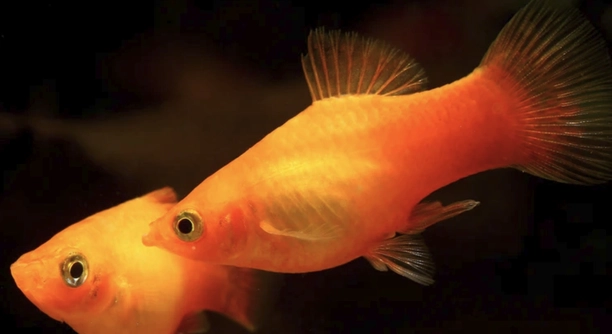
Platies are popular aquarium fish loved for their bright colors and easy care. Many keepers wonder about the effects of their tank environment on their health. Gravel is a common substrate but can sometimes get dirty over time.
Platies can become sick if gravel is not kept clean. Dirty gravel can harbor harmful bacteria, parasites, and toxins that affect the fish’s health. Regular cleaning and maintenance of the substrate help prevent illnesses and maintain a safe environment.
Knowing how gravel cleanliness impacts platies will help you keep your fish healthy and happy for a long time.
Why Dirty Gravel Affects Platies’ Health
Dirty gravel collects leftover food, fish waste, and decaying plant matter. Over time, this buildup causes harmful bacteria and toxins to grow. These harmful substances can irritate platies’ skin and gills, making them more prone to infections. The gravel also traps debris, which can lower water quality by increasing ammonia and nitrite levels. Poor water quality stresses fish, weakening their immune systems and making it easier for diseases to take hold. In extreme cases, dirty gravel can cause oxygen levels to drop near the bottom, making it harder for platies to breathe. Keeping gravel clean helps maintain a healthy tank environment and prevents many common health problems platies face.
Regular gravel vacuuming and water changes are key to avoiding these issues. Using a gravel cleaner to remove debris without disturbing the tank too much is an effective method.
Cleaning gravel regularly protects your fish and supports a balanced, safe aquarium ecosystem. It helps prevent many health risks before they start.
How to Clean Gravel Safely
Cleaning gravel is simple and doesn’t have to stress your platies. Use a siphon or gravel vacuum to gently remove dirt and waste from the substrate. Avoid stirring up too much debris at once, as this can cloud the water and stress your fish. It’s best to clean the gravel during your regular water changes, usually once a week or every two weeks. Be careful not to remove all the beneficial bacteria living in the gravel, as these help break down waste naturally. Focus on cleaning the areas where debris is most visible. With consistent maintenance, gravel stays clean without harming your fish or their environment.
Gravel Maintenance Tips for Healthy Platies
Choosing the right gravel type helps keep the tank easier to clean. Smooth, medium-sized gravel is best because it traps less debris than finer substrates. Avoid very small gravel or sand that can compact and cause dead spots where waste builds up. Use a gravel vacuum regularly to remove debris without disturbing the beneficial bacteria. Don’t forget to test your water parameters often to catch any changes early. Keep up with partial water changes to reduce toxins that may come from dirty gravel. Adding live plants can help improve water quality by absorbing excess nutrients. Following these simple tips will support your platies’ health and keep the tank looking its best.
Signs Your Platies Are Affected by Dirty Gravel
Platies showing signs of illness may have dirty gravel in their tank. Look for unusual behavior like gasping at the surface or rubbing against objects. Changes in color, fin damage, or lethargy can also indicate problems linked to poor substrate conditions.
When gravel becomes dirty, harmful bacteria can cause fin rot or other infections. Fish may lose their appetite or appear weak. Cloudy water and an unpleasant smell from the tank are other signs of poor gravel condition. It’s important to act quickly if you notice these symptoms to avoid serious illness.
Poor water quality from dirty gravel stresses platies, weakening their immune system. This leaves them vulnerable to parasites and diseases like ich. Removing debris and cleaning gravel regularly helps prevent these issues and keeps your fish lively and healthy.
Preventing Health Problems by Regular Gravel Care
Regular gravel cleaning is essential to avoid health issues in platies. It removes harmful bacteria and toxins before they can build up and cause problems. This simple task supports water clarity and quality, making the tank a safe space for your fish.
Setting a cleaning schedule helps maintain a healthy environment without overwhelming your fish. Combine gravel vacuuming with partial water changes to keep nitrate and ammonia levels low. Avoid overfeeding, which contributes to more waste settling into the gravel. Keeping the tank clean also helps reduce algae growth, which can make the tank look untidy and affect water quality. Consistent care prevents health problems and allows your platies to thrive in a balanced home.
Choosing the Right Gravel for Platies
Selecting gravel that is easy to clean helps maintain a healthy tank. Smooth, medium-sized gravel prevents waste buildup and allows water to flow freely around it, reducing harmful bacteria growth.
Avoid very fine gravel or sand, as these trap debris and can lead to poor water quality. The right gravel choice makes maintenance easier and supports your platies’ health.
Impact of Dirty Gravel on Water Quality
Dirty gravel releases ammonia and nitrites into the water as waste breaks down. These chemicals are toxic to platies and can cause stress, illness, and even death if levels rise too high. Maintaining clean gravel is key to controlling water quality and keeping fish safe.
Using Live Plants to Help Keep Gravel Clean
Live plants absorb excess nutrients and help reduce waste buildup in the gravel. They improve water quality by lowering toxins that dirty gravel can produce, supporting a healthier environment for your platies. Adding plants also adds beauty and natural hiding spots for your fish.
FAQ
Can dirty gravel alone make platies sick?
Yes, dirty gravel can contribute to sickness in platies by harboring harmful bacteria, parasites, and waste buildup. These conditions reduce water quality, increasing toxins like ammonia and nitrites that stress fish and weaken their immune systems. While dirty gravel is not the only cause of illness, it is a significant factor.
How often should I clean the gravel in my platy tank?
Gravel should be cleaned every one to two weeks during routine water changes. Regular cleaning prevents waste buildup, harmful bacteria growth, and toxin accumulation. The exact frequency can depend on tank size, number of fish, and feeding habits, but weekly or biweekly maintenance is ideal for most platy tanks.
Can I use any type of gravel for my platies?
Not all gravel types are suitable. Medium-sized, smooth gravel is best because it traps less debris and is easier to clean. Fine gravel or sand can compact, creating dead zones where waste accumulates, which harms water quality. Avoid sharp gravel to protect your platies’ delicate fins.
Is it harmful to disturb the gravel while cleaning?
Disturbing the gravel too much can release trapped toxins into the water, temporarily stressing the fish. Use a gentle gravel vacuum to clean only the top layers without stirring up too much debris at once. This method balances effective cleaning with maintaining stable water conditions.
Can gravel cleaning alone keep the tank healthy?
Gravel cleaning is essential but not enough by itself. It must be combined with regular water changes, proper feeding, and monitoring of water parameters. Clean gravel helps, but overall tank maintenance ensures a healthy environment where platies can thrive.
What signs show my platies are affected by dirty gravel?
Signs include lethargy, loss of appetite, faded colors, fin damage, gasping at the water surface, and unusual rubbing against tank objects. Cloudy water and bad smells often accompany these symptoms. Noticing these early helps you take quick action before illness worsens.
Are there alternatives to gravel that reduce cleaning needs?
Yes, some keepers use bare-bottom tanks or smooth sand that is easier to clean. Live plants and beneficial bacteria supplements can also reduce waste buildup. However, gravel remains popular because it looks natural and provides good habitat for beneficial bacteria if properly maintained.
How do live plants help with gravel cleanliness?
Live plants absorb excess nutrients and waste products, preventing these from settling in the gravel and polluting the water. Their roots help break down debris and encourage beneficial bacteria growth, improving overall tank health. Plants also add oxygen and create hiding spots, reducing fish stress.
What happens if I ignore dirty gravel?
Ignoring dirty gravel allows waste and toxins to accumulate, severely lowering water quality. This can lead to ammonia poisoning, nitrite spikes, disease outbreaks, and even death of your platies. Long-term neglect also encourages algae growth and unpleasant odors, making the tank unhealthy and unpleasant.
Can platies recover if their tank gravel was dirty for a long time?
Yes, platies can recover with proper care, but it requires patience. First, clean the gravel and perform partial water changes to improve water quality gradually. Treat any infections with appropriate medication if needed. Reducing stress through good tank conditions and nutrition helps fish regain strength over time.
Should I remove all the gravel bacteria when cleaning?
No, beneficial bacteria living in the gravel are important for breaking down fish waste and keeping the tank’s nitrogen cycle balanced. Avoid deep cleaning that removes all bacteria. Focus on removing visible debris while preserving the helpful bacterial colonies for a healthy aquarium.
Does feeding affect gravel cleanliness?
Overfeeding contributes to dirty gravel by increasing leftover food that settles into the substrate. Feed platies small amounts they can consume quickly to minimize waste. Regular feeding habits combined with proper gravel cleaning keep the tank environment stable and safe for fish.
Is it okay to clean gravel with tap water?
Tap water can kill beneficial bacteria due to chlorine or chloramine content. It’s better to rinse gravel with tank water removed during water changes to protect these bacteria. If tap water must be used, treat it first with a water conditioner to remove harmful chemicals.
Can dirty gravel cause fish diseases?
Yes, dirty gravel promotes the growth of harmful pathogens that cause diseases like fin rot, ich, and bacterial infections. These illnesses weaken fish and require treatment. Preventing disease by maintaining clean gravel is much easier than dealing with sickness after it occurs.
What tools do I need to clean gravel properly?
A gravel vacuum or siphon is the most effective tool for cleaning gravel. It removes debris while performing water changes. A bucket for holding removed water and a water conditioner to treat tap water are also necessary. Having the right tools makes maintenance easier and safer for platies.
How do I know if my gravel is too dirty?
Gravel looks visibly coated with debris, smells unpleasant, or is covered in algae or slime. Cloudy or foul-smelling water also indicates dirty substrate. Testing water for ammonia and nitrites regularly helps confirm if gravel cleanliness is a problem affecting water quality.
Keeping your platies healthy starts with maintaining a clean and safe tank environment, and gravel plays an important role in this. Dirty gravel can hold waste, leftover food, and harmful bacteria that affect water quality. Over time, these factors can stress your fish and lead to sickness. Regular cleaning of the gravel helps remove this buildup and keeps toxins like ammonia and nitrites at safe levels. When you take the time to care for your tank substrate, you support the overall health and happiness of your platies.
It is important to clean gravel carefully and consistently. Using a gravel vacuum during water changes is an effective way to remove debris without disturbing beneficial bacteria that live in the substrate. These bacteria help break down fish waste and keep the nitrogen cycle balanced, which is essential for water quality. Avoid overcleaning or scrubbing the gravel too hard, as this can remove these helpful bacteria and upset the tank’s natural balance. Keeping a regular cleaning schedule and checking water parameters will help you catch problems early and prevent serious issues.
Choosing the right gravel and adding live plants can also make a big difference in maintaining a healthy tank. Medium-sized, smooth gravel is easier to clean and less likely to trap harmful debris. Live plants absorb excess nutrients and reduce waste buildup, improving water quality and providing a natural environment for your fish. Combining these choices with proper feeding, regular water changes, and gravel maintenance creates a balanced aquarium where your platies can thrive. With consistent care and attention, you can enjoy watching your colorful fish live healthy and active lives.

Hello,
If you enjoy the content that we create, please consider saying a "Thank You!" by leaving a tip.
Every little bit helps us continue crafting quality advice that supports the health, happiness, and well-being of pets around the world, for pets of all shapes, sizes, and species.
We really appreciate the kindness and support that you show us!