
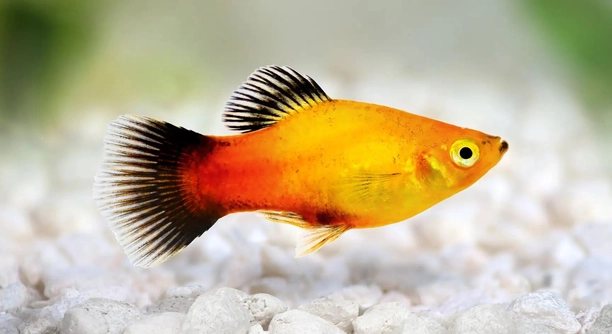
Have you ever noticed your platy fish acting oddly after you turn on a bright light in the aquarium? Sudden changes in lighting can sometimes make them swim frantically or hide, leaving you concerned about their well-being.
Platies can become overstimulated by light, especially when it is too bright or changes abruptly. This can cause stress, erratic swimming, or hiding behaviors. Maintaining consistent, moderate lighting helps support their comfort and overall health.
Understanding how lighting affects your platies can make a big difference in how calm and happy they are in your tank.
Why Bright Lights Can Stress Out Your Platy
Platies are peaceful fish that prefer a calm, steady environment. Bright or sudden lights can overwhelm them, especially if they have no shaded spots to retreat to. Their small bodies and sensitive eyes aren’t built for intense lighting changes. In the wild, platies live in streams and rivers with filtered sunlight. When placed in brightly lit tanks without hiding places, they may display stress by swimming erratically, hiding behind decorations, or even refusing to eat. These signs shouldn’t be ignored, as they point to discomfort that can lead to long-term health effects. Keeping lighting levels soft and stable is important. Using adjustable LED lights or adding floating plants can help reduce the intensity of the light. It’s also helpful to turn the room lights on before the tank lights, giving your platy a chance to adjust gradually. These small adjustments can greatly improve your platy’s comfort and well-being.
Noticing subtle behavior changes helps you understand what lighting levels work best for your fish.
Stress from lighting isn’t always easy to detect, but observing your platy’s daily behavior makes it clearer. Look for signs like hiding more often, resting at the bottom, or darting around after the lights switch on. If these behaviors are present, it’s worth reviewing your lighting setup. Aim for 8 to 12 hours of gentle light per day and avoid sudden transitions from dark to bright. If your tank doesn’t have floating plants or shaded areas, consider adding them. These create safe spaces where your platy can feel secure. Choosing a timer for your lights can also help provide a consistent schedule, which platies respond to positively. When they know what to expect, they settle into a more relaxed routine. Over time, you’ll notice a calmer, more active fish that seems at ease in its environment. Keeping your platy happy means respecting their need for a balanced and peaceful space.
What You Can Do to Prevent Overstimulation
Sudden changes in lighting or placing your tank near windows with direct sunlight can lead to overstimulation. A calm, controlled setup works best.
Lighting should mimic a natural day-night cycle to help your platy feel secure. Use lights with adjustable brightness and timers to avoid shocking your fish with a sudden change in their environment. If the tank light turns on abruptly in a dark room, the effect can be jarring. Start by switching on ambient lighting before the tank light comes on. You can also add floating plants or tall decorations to create areas of shade. These darker spots give your platy the option to escape bright light when needed. Keep your tank away from direct sunlight to avoid glare and temperature swings. Consider using a low-intensity bulb or covering part of the lid with mesh to block out extra brightness. Consistency is key. Once your platy feels that the lighting is stable and not overwhelming, it’s easier for them to relax and thrive.
How to Recognize Light-Related Stress in Platies
Platies may not show stress right away, but changes in behavior can be a clear sign. Look for signs like sudden hiding, darting movements, or staying at the bottom of the tank for long periods.
If your platy suddenly avoids the top part of the tank or hides more than usual, it could be reacting to too much light. Flickering, pacing, or nervous swimming are also common. In some cases, they might refuse to eat or lose their usual bright color. These signs can appear shortly after a lighting change, especially if it was too harsh or sudden. Monitoring your platy during and after any lighting adjustment helps you understand their sensitivity. Keeping track of when the stress signs appear can also show if lighting is the problem or if another issue may be present in the tank.
Behavioral changes can sometimes be mistaken for illness, but overstimulation from lighting has its own pattern. When the tank lighting is too intense, platies may become jumpy or move in short, panicked bursts. You might also notice they retreat to shaded areas and stay there longer than normal. If the behavior improves after dimming the light or adding cover, it’s likely that brightness is to blame. It’s a good idea to watch closely for a few days after making lighting adjustments. Writing down the times and types of behavior helps make patterns easier to spot. A calm platy will swim smoothly, explore the tank, and come up for food regularly. Recognizing these simple signs can help you create a space where your platy feels calm and safe.
Creating a Comfortable Tank Environment
A well-arranged tank can help reduce lighting stress. Add plants, hiding spots, and use soft lighting to create a peaceful space that supports your platy’s natural behavior.
Use floating plants like hornwort or duckweed to help filter bright light and provide cover. These plants break up direct light and add shaded spots without blocking the view entirely. Decorations like caves, driftwood, or rock structures give your platy safe places to retreat when light feels too strong. Try to keep the lighting at a steady level—avoid turning lights on and off suddenly. A timer can help set a regular lighting cycle that your platy can rely on. Make sure the tank isn’t too close to windows or lamps that can create sudden glares or reflections. If possible, use a dimmable light or add a light diffuser to soften the brightness. Creating a calm tank helps reduce stress and supports better daily behavior.
Light Settings That Work Best for Platies
Use soft, full-spectrum aquarium lighting with low to moderate brightness. Avoid harsh, white lights that can make platies feel exposed. Dimmable lights or those with a gradual sunrise/sunset effect are ideal for their comfort.
Keep your lights on for 8 to 12 hours a day. Shorter or longer durations can disrupt their rest and cause stress. Pair the lighting with a timer to maintain consistency, which helps platies feel more secure.
Why Tank Placement Matters
Where you place your tank can affect lighting levels more than you think. Tanks near windows can receive direct sunlight, which increases brightness and changes throughout the day. This can overstimulate platies and even raise the water temperature too quickly. It’s better to place your tank in a room with steady, indirect light. Avoid placing it near televisions or bright lamps, as flickering or sudden flashes can confuse or startle your fish. Consistency is key—choosing a calm, stable location supports a balanced environment. Take time to observe how natural and artificial light behaves in the room before settling on a spot.
Signs Your Lighting Setup is Working
Your platy swims calmly, explores often, and eats regularly. These are signs the lighting setup feels natural and doesn’t overwhelm them.
FAQ
Can platies see in the dark?
Platies do not see well in complete darkness. Like most fish, they rely on a combination of limited vision and their lateral line system to sense movement and vibrations in the water. This helps them navigate their surroundings even when the lights are off. However, they still benefit from some ambient light in the room, such as a dim nightlight or indirect light from another source. Sudden darkness after bright light can startle them, so it’s best to reduce the lighting gradually. Keeping a regular light schedule also helps them feel more secure during nighttime hours.
How long should I leave the light on in a platy tank?
A lighting period of 8 to 12 hours per day is ideal. This mimics natural daylight and gives your platy a balanced rest and activity cycle. Leaving the lights on too long can cause stress and disrupt sleep, while too little light can affect their activity levels and health. Using a timer helps keep the cycle steady, even when you’re not home. Make sure the light isn’t too intense, especially in small tanks. Pairing consistent light duration with soft brightness supports their comfort and encourages a healthy routine.
Do platies need darkness at night?
Yes, platies need darkness or at least very low light at night to rest properly. Just like humans, fish require periods of low activity and rest to stay healthy. Leaving the tank light on overnight can interfere with their internal rhythms and lead to stress. If your room is completely dark, a very dim light outside the tank may help avoid complete blackness, but it’s not necessary. A good day-night balance helps your platy maintain normal behaviors and feel secure in their environment.
Can bright light make platies aggressive?
Bright or inconsistent lighting can cause platies to feel stressed, which may sometimes lead to sudden, aggressive behavior. Though platies are usually peaceful, they may nip or chase tankmates if they feel threatened or overstimulated. If this happens after turning on a bright light or making changes to your tank’s lighting setup, overstimulation could be the cause. Dim the lights, provide shade, and observe whether their behavior returns to normal. A calmer setup often reduces any unwanted aggression quickly.
What type of lighting is best for planted tanks with platies?
Low to medium-intensity full-spectrum LED lights are best. These lights support plant growth while staying gentle enough for platies. Aim for adjustable lighting that allows you to reduce brightness if your fish seem uncomfortable. Floating plants are especially helpful, as they protect platies from direct exposure and create safe zones in the tank. Make sure any lighting used doesn’t overheat the tank, especially in smaller setups. A balance between light for plants and comfort for platies will keep both healthy and thriving.
Can platies get used to bright light over time?
Platies may adjust slightly, but constant bright light is not ideal for their long-term health. Even if they seem to tolerate it, stress can build over time. You might not see immediate signs, but it can lead to changes in behavior or appetite later. It’s better to create a comfortable setting from the start using dimmable lights, shaded areas, and a steady light cycle. Some light acclimation is possible, but it should never be forced or rushed. Consistent lighting conditions matter more than simply toughing out bright light.
Is it okay to keep platies near a window?
It’s best to avoid placing the tank directly near a window. Sunlight can be too intense and unpredictable, leading to glare, overheating, and stress. Natural light also shifts throughout the day, which can confuse or overstimulate your platy. Indirect sunlight or placing the tank across the room from a window is a better choice. If you must keep it near a window, use curtains or blinds to reduce the brightness. Watching how the light moves through the day can also help you decide whether that location is truly comfortable for your fish.
Do platies prefer certain colors of light?
Platies respond best to soft white or full-spectrum lighting, which mimics natural daylight. They do not prefer colored lighting like blue, red, or green, though it may not harm them if used occasionally in moderation. Colored lights can sometimes affect their behavior, especially if left on for too long. If you’re using colored LEDs for aesthetic reasons, keep them dim and switch back to natural tones for most of the day. Their natural colors and behavior show best under soft, balanced lighting.
Final Thoughts
Platies are hardy, peaceful fish, but even they can feel overwhelmed by lighting that is too bright or inconsistent. Their behavior changes are often the first sign that something is not quite right. If your platy hides more than usual, darts around the tank, or refuses to eat after the lights come on, lighting may be the cause. These small signs of stress are easy to miss but are important to notice. Over time, continued stress can affect your platy’s health, leading to lower energy, a weakened immune system, and even shorter life expectancy. Creating a steady, comfortable lighting setup is one of the simplest ways to keep your platy healthy and happy in the long run.
Lighting does more than just help you see your fish and plants. It affects how your platy feels, rests, and behaves each day. Keeping a consistent day-night schedule using timers, avoiding sudden changes, and offering places to hide can make a big difference. Adding floating plants, tall decorations, or shaded areas gives your platy control over how much light it receives. This sense of security helps it stay relaxed and active during the day. It’s also important to avoid placing tanks in spots with uncontrolled natural light, such as near windows. These locations can bring in harsh sunlight that is difficult to manage and may cause your fish unnecessary stress.
Maintaining good lighting habits doesn’t need to be complicated or expensive. Basic tools like timers, adjustable lights, and natural tank decor are enough to support your platy’s comfort. What matters most is staying consistent and observing how your fish responds. A calm, active platy that eats well and explores the tank regularly is a good sign your lighting is working well. If you do notice any problems, small adjustments can usually solve them. When you take the time to create a steady, peaceful environment, your platy is more likely to stay healthy and enjoy its space. Even a few thoughtful changes to lighting can make a big difference in how comfortable your fish feels every day.

Hello,
If you enjoy the content that we create, please consider saying a "Thank You!" by leaving a tip.
Every little bit helps us continue crafting quality advice that supports the health, happiness, and well-being of pets around the world, for pets of all shapes, sizes, and species.
We really appreciate the kindness and support that you show us!