
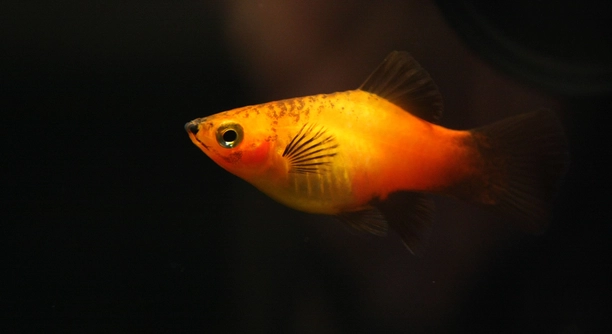
Do your platies ever seem uneasy or unsure when swimming around your aquarium with more than one filter running at once?
Platies can become mildly confused or stressed by multiple filters if the water flow is too strong or inconsistent. Excessive currents may disrupt their natural swimming behavior and create areas in the tank that feel uncomfortable or unsafe.
Learning how to balance filter strength and flow can make a big difference in keeping your platies relaxed, healthy, and happy in their aquatic home.
Why Filters Matter for Platies
Filters are important in any aquarium. They clean the water, remove waste, and help keep fish healthy. But when you use more than one, things can get a little tricky for fish like platies. These fish are peaceful and prefer calm, steady water. If the filters are pushing water around too strongly or creating uneven currents, platies may feel unsure about where to swim. They might stick to one corner or avoid certain areas altogether. That’s not ideal for their health or comfort. A strong flow can also cause unnecessary stress, and stress can weaken their immune system. If you see your platies hiding more often, darting around quickly, or struggling to stay in one spot, your filters could be part of the issue. Keeping a gentle and consistent flow makes a big difference. It helps platies swim naturally and explore all parts of the tank without hesitation.
Some filters are better for gentle flow, like sponge filters or adjustable hang-on-back models.
Using multiple filters isn’t always a bad thing. It can actually help improve water quality if done right. You just need to position them carefully and adjust the flow. Avoid aiming them directly at each other, as this can create strong, conflicting currents. Instead, place them so the water flow moves in a circular or smooth direction around the tank. This keeps oxygen levels stable while letting platies swim without much resistance. You can also use decorations or plants to block strong currents and create calm spots. Watch your platies and see how they react. If they swim freely throughout the tank and act normal, your setup is likely fine. But if they hide or look anxious, some changes may be needed. Every tank is different, so testing what works best in your space is the best way to go. Keep things simple, and your platies will thank you for it.
Signs of Confusion or Stress in Platies
When filters create too much flow, platies might avoid open areas or stick close to tank walls. This behavior is often linked to discomfort.
Other signs include fast swimming, hiding more than usual, or shaking fins slightly. These actions are linked to environmental stress. If your tank has multiple filters, try observing your platies for a few days after setup or changes. Make sure the current isn’t forcing them to swim harder than they should. Stress may not show right away, but it can build up and affect their health over time. Watching their behavior is key. If they swim smoothly and rest normally, they’re likely fine. But if they appear restless or avoid certain parts of the tank, you may want to adjust the filter position or lower the speed. Keep in mind that lighting and tankmates can also influence behavior, but water movement plays a major role in how platies feel in their environment.
How to Adjust Multiple Filters for Platies
Too much water movement can overwhelm platies. To help them feel more at ease, try adjusting the output flow or using filter baffles. Some filters let you control the strength, while others may need a sponge to soften the current.
Start by lowering the flow rate on each filter if the option is available. Place one filter on each side of the tank to help spread out the flow gently. Avoid pointing them directly at each other or at the tank bottom. Instead, angle them slightly toward the surface or toward tank decorations to break the current. This will help keep oxygen levels stable without creating a strong force in any one area. If you notice dead zones with no flow, try small adjustments to even it out. The goal is to have calm, steady movement across the whole tank without making your platies struggle to swim.
If your filters don’t have flow control, there are still simple things you can do. Add plants, driftwood, or other decor to block strong currents. You can also attach sponge pre-filters over the intake to reduce suction and flow. Another method is placing a piece of filter sponge or mesh over the filter output to slow down the water. Make sure it’s secured so it doesn’t come loose. These tweaks help create calm zones where platies can rest or explore without being pushed around. You may need to test a few setups to see what works best in your tank. Watch how your platies respond after each change. If they start swimming more confidently and stop hiding, then your setup is working better for them.
When Multiple Filters Are a Good Idea
Two filters can be helpful in large tanks or when you want extra filtration support. They can provide cleaner water and better circulation without too much effort, especially in tanks over 20 gallons.
If done right, using more than one filter can keep your tank healthier and more stable. A backup filter is also useful in case one stops working. For platies, it’s important to balance that benefit with their comfort. You can use one filter mainly for mechanical and biological filtration, while the second one handles extra water movement or surface agitation. Sponge filters are a great option for this—they’re gentle, reliable, and don’t disturb the water much. If your tank is heavily stocked or prone to waste build-up, two filters can prevent problems before they start. Just keep flow levels in check, use soft output where possible, and place filters in a way that doesn’t stir up your entire tank. This way, your platies stay calm while your tank stays clean.
Things to Avoid with Multiple Filters
Avoid placing filters too close together. This can cause uneven flow or strong currents in just one area of the tank. Platies may end up avoiding that side or become stressed from constant swimming against the water movement.
Don’t ignore regular maintenance. Filters can clog over time, changing the flow or making it unpredictable. Always clean them on a schedule, and never clean both filters at the same time. That helps preserve beneficial bacteria and keeps the tank balanced for your platies.
Best Filters for Calm Water Flow
Sponge filters are a gentle option that’s ideal for platies. They provide good filtration without creating strong currents, and they’re easy to clean. Hang-on-back filters are another solid choice, especially if they have adjustable flow controls. You can use a baffle or sponge over the output to soften the flow. Internal filters are okay too, as long as the output is directed carefully. Avoid powerheads or high-flow canister filters unless your tank is very large. Always check how your platies are swimming after installing or adjusting a filter. Their behavior will tell you whether the setup is working or if more changes are needed.
Watch Your Platies Closely
Platies show small signs when something feels off. Pay attention to where they swim, how they rest, and whether they avoid certain areas.
FAQ
Can platies get confused by having multiple filters in their tank?
Yes, platies can sometimes feel confused or stressed when multiple filters create strong or uneven water currents. They prefer calm, steady water, so if filters push water too hard or clash, platies might avoid certain tank areas or swim erratically. Adjusting filter flow and placement usually solves this issue.
How many filters are ideal for a tank with platies?
The number of filters depends on the tank size and setup. For small tanks under 20 gallons, one good filter is often enough. Larger tanks or heavily stocked ones can benefit from two filters for better water quality and circulation. The key is to ensure the water flow remains gentle and balanced for platies.
Will multiple filters increase tank maintenance?
Yes, having more than one filter means a bit more work. Each filter needs regular cleaning and monitoring to prevent clogging or uneven flow. It’s important not to clean all filters at once to avoid disturbing beneficial bacteria. Proper maintenance helps keep the tank environment stable for platies.
What type of filter is best for platies?
Sponge filters are often the best choice for platies because they create gentle water flow and provide good biological filtration. Hang-on-back filters with adjustable flow work well too, especially if you add a sponge or baffle to soften the output. Avoid strong powerheads or high-flow canister filters in smaller tanks.
Can filter placement affect platies’ behavior?
Absolutely. Placing filters too close together or directing their flow directly at each other can cause strong currents and stress platies. Spreading filters apart and angling their outputs helps create a smooth, circular flow that platies find more comfortable. Adding plants or decorations can also break up strong currents.
What signs show that platies are stressed by filters?
Signs include hiding more than usual, swimming quickly in bursts, sticking close to tank walls, or avoiding open areas. Fin shaking or labored swimming can also indicate stress. Watching how your platies move after filter changes helps you know if adjustments are needed.
Is it okay to use two different types of filters in the same tank?
Yes, using two different filters can be effective if each complements the other. For example, a sponge filter paired with a hang-on-back filter balances gentle water flow with solid filtration. Just be sure both filters don’t create strong, opposing currents.
How can I soften strong water flow from my filters?
Use sponge pre-filters on filter intakes, attach sponge or mesh over filter outputs, or add decorations that break up flow. Many filters also have adjustable flow controls you can lower. These methods help create calmer zones where platies can swim easily.
Will multiple filters affect water temperature?
Filters themselves don’t usually change water temperature, but they can increase surface agitation, which may cause slight cooling due to evaporation. This is rarely a problem if your tank heater is properly set. Keep an eye on temperature to ensure it stays steady.
Can platies adapt to stronger currents over time?
Some platies may get used to stronger currents if no calmer areas are available, but this is not ideal. Constant strong flow can cause stress and fatigue. Providing varied water flow with calm spots is better for their overall health and natural behavior.
Is it necessary to have backup filters in a platy tank?
Having a backup filter is smart for emergencies, especially in larger or heavily stocked tanks. It helps maintain water quality if one filter fails. However, make sure the backup filter is ready but not running at the same time to avoid excessive currents.
Can multiple filters improve water quality for platies?
Yes, multiple filters can improve filtration by increasing mechanical, chemical, and biological cleaning capacity. This is especially helpful in tanks with many fish or heavy feeding. Just balance the flow to keep platies comfortable.
How often should I clean my filters in a platy tank?
Filter cleaning frequency depends on tank size and bioload but generally every 2 to 4 weeks. Avoid cleaning all filters at once; stagger cleanings to protect beneficial bacteria. Rinse filter media in tank water rather than tap water to preserve helpful microbes.
Do platies prefer certain flow directions in the tank?
Platies usually prefer gentle currents that flow along the tank sides or near the surface. They like calm areas where they can rest or feed without fighting the current. Avoid strong downward or direct flows at the bottom, which can be stressful.
Will adding plants help with multiple filter issues?
Yes, live or artificial plants can slow down water flow and create safe spots. Plants also improve water quality by absorbing nitrates and providing hiding places, which helps reduce stress in platies caused by strong filter currents.
Should I turn off one filter at night for platies?
It’s better to keep filters running continuously to maintain oxygen levels and water quality. Turning filters off can cause water stagnation and reduce oxygen, which is harmful to platies. Instead, adjust flow rates if noise or current is a concern during nighttime.
This FAQ covers many common questions about using multiple filters with platies, helping you keep your fish comfortable and your tank healthy.
Multiple filters can be a great way to keep your aquarium water clean and healthy for platies. They help remove waste, improve water circulation, and maintain good oxygen levels. However, it’s important to remember that too many filters or strong water flow can confuse or stress platies. These fish prefer calm and steady water, so if the currents created by the filters are too strong or uneven, they may feel uncomfortable. This can cause them to hide more often, avoid certain areas, or swim erratically. Taking the time to balance filter placement and flow strength is key to keeping platies relaxed and healthy.
Adjusting the filters to create gentle, consistent water movement can make a big difference in how platies behave. Using filters with adjustable flow or adding sponges and baffles to soften the output helps reduce strong currents. It’s also helpful to spread filters around the tank to avoid pushing water directly at one spot. Adding plants and decorations can further break up the flow and create calm hiding places for your fish. Watching how your platies swim and interact with their environment will give you a good idea if the setup is working. If they explore the whole tank and act normally, the water flow is probably right. If not, small changes to filter settings or position can improve their comfort.
Lastly, keeping your filters clean and well maintained is important for water quality and platies’ wellbeing. Regular cleaning prevents clogging and uneven flow, which can cause stress. Remember not to clean all filters at the same time to protect helpful bacteria in the tank. Using multiple filters can support a healthier environment, especially in larger or heavily stocked tanks, but it requires attention to how the water moves. By balancing filtration needs with platies’ comfort, you create a better home for your fish to thrive. This thoughtful care helps your platies stay calm, active, and healthy every day.

Hello,
If you enjoy the content that we create, please consider saying a "Thank You!" by leaving a tip.
Every little bit helps us continue crafting quality advice that supports the health, happiness, and well-being of pets around the world, for pets of all shapes, sizes, and species.
We really appreciate the kindness and support that you show us!