
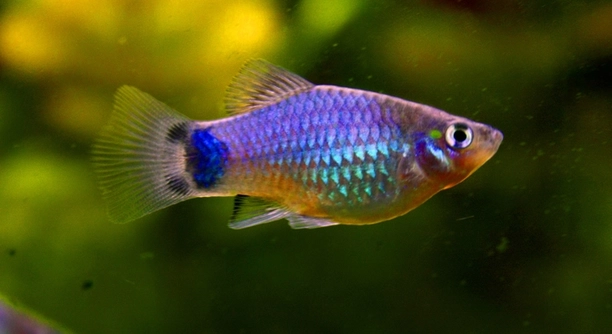
Platies are popular freshwater fish often kept in home aquariums. Many hobbyists enjoy their bright colors and peaceful nature. However, when kept in small tanks, concerns about their well-being and mental stimulation can arise.
Platies, like many fish, can experience limited stimulation in confined spaces, which may lead to signs of boredom or stress. Adequate tank size, environmental enrichment, and social interaction are important to maintain their health and natural behaviors.
Understanding how environment affects platies’ behavior helps ensure they thrive in captivity. This article explores the factors influencing their mental and physical health in small tanks.
How Platies Behave in Small Tanks
Platies are active fish that enjoy swimming and exploring their environment. In small tanks, their movement is naturally limited, which can reduce their activity levels. Without enough space, they may spend more time hiding or staying still. This lack of stimulation can affect their overall health. They also rely on visual cues from other fish and plants to stay engaged. If the tank is too small, there are fewer places to explore, which can cause boredom. The water quality in small tanks can deteriorate quickly, leading to stress for platies. Regular maintenance and adding decorations like plants and rocks help keep them interested. Social interaction with other platies or compatible fish is also important, as they are social creatures. Creating a varied environment improves their quality of life even when space is limited. Understanding their behavior helps provide better care for them in smaller setups.
Small tanks require extra attention to cleanliness and environment to keep platies healthy and active.
Adjusting tank conditions and adding enrichment can make a significant difference in their well-being and behavior over time.
Signs of Boredom in Platies
Platies showing boredom may appear lethargic or uninterested in their surroundings. They might stop exploring or interacting with other fish. Repetitive swimming patterns or hiding more than usual are also signs. Changes in appetite or color can indicate stress related to boredom. These behaviors suggest that their environment is not meeting their needs. Observing these signs early helps prevent health problems and improves their quality of life. Adding plants, decorations, and companions can reduce boredom and encourage natural behaviors. Regular tank maintenance and water changes support their health. Understanding these signs allows for timely intervention, ensuring platies remain active and engaged in their habitat. Small changes can create a more stimulating environment that benefits their mental and physical health.
Proper care and environment help platies stay lively and content in smaller tanks.
Tank Size and Its Impact
A small tank limits platies’ swimming space and exploration. This can cause frustration and reduce their natural behaviors. Space is key for their activity and mental health.
A tank smaller than 10 gallons is usually too cramped for multiple platies. Limited room means fewer hiding spots and less water volume, which affects water quality. Poor water quality stresses the fish and can lead to illness. Larger tanks allow platies to swim freely, explore plants, and interact socially. Providing at least a 20-gallon tank is recommended for a small group. Decorations and plants can create a more stimulating environment. This combination helps platies stay active and reduces boredom in captivity.
Proper tank size supports natural behaviors and helps maintain stable water conditions. It also encourages social interaction, which is important for platies’ well-being and reduces stress caused by confinement.
Enrichment Ideas for Small Tanks
Enrichment keeps platies engaged by adding variety to their environment. Simple changes can improve their mental and physical health.
Adding live plants provides hiding spots and simulates a natural habitat. Different textures and colors stimulate their senses. Decorations like rocks, caves, and driftwood offer places to explore and rest. Rearranging these items occasionally encourages curiosity. Including compatible tank mates can also add social interaction, reducing boredom. Feeding varied diets and using feeding tools that promote foraging behavior contribute to enrichment. Changing lighting gradually mimics natural day-night cycles, supporting their rhythm. These small additions make a big difference in a limited space, helping platies stay active and content even in smaller tanks.
Social Needs of Platies
Platies are social fish that thrive in groups. Keeping them alone can lead to stress and inactivity.
A small group of three to six platies is ideal. They interact and establish social behaviors, which keeps them active and engaged.
Effects of Stress on Platies
Stress from overcrowding or poor conditions can weaken platies’ immune systems. This makes them more vulnerable to diseases and reduces their lifespan.
Providing stable water quality, enough space, and proper companions helps minimize stress. Observing their behavior regularly allows early detection of problems, improving their chances of staying healthy.
Feeding and Stimulation
Offering a varied diet with occasional live or frozen foods encourages natural hunting and foraging behaviors. This keeps platies mentally stimulated.
Monitoring Behavior
Regularly watching platies helps identify signs of boredom or stress early. Adjustments can then be made to improve their environment and health.
FAQ
Can platies get bored in small tanks?
Yes, platies can show signs of boredom when kept in small tanks without enough stimulation. Limited space restricts their natural behaviors like swimming and exploring. This can cause lethargy and stress if their environment is not enriched properly.
How big should a tank be for platies?
A tank of at least 20 gallons is recommended for a small group of platies. This size allows them enough room to swim freely, explore, and socialize. Smaller tanks increase the risk of poor water quality and limit enrichment options.
What signs show that a platy is bored?
Signs of boredom include reduced activity, repetitive swimming patterns, hiding excessively, and a loss of appetite. Changes in color or behavior can also indicate stress from a lack of stimulation or poor environment.
How can I enrich a small tank for platies?
Adding live plants, rocks, and decorations creates hiding spots and areas to explore. Rearranging these items occasionally keeps the environment fresh. Including compatible tank mates and varying their diet can also encourage natural behaviors.
Is social interaction important for platies?
Yes, platies are social fish that thrive in groups. Social interaction helps reduce stress and encourages activity. Keeping at least three platies together allows them to display natural behaviors and stay mentally stimulated.
What happens if platies are kept alone?
Platies kept alone may become stressed and inactive. Lack of social stimulation can lead to boredom, which affects their health and behavior. They benefit greatly from living in groups where they can interact.
How often should I clean a small tank?
Small tanks need frequent cleaning, usually once a week, to maintain good water quality. Poor water conditions cause stress and health problems in platies. Regular water changes and filter maintenance are essential.
Can poor water quality cause boredom?
Indirectly, yes. Poor water quality stresses platies, making them less active and more prone to illness. This can look like boredom but is actually a health issue. Maintaining clean, stable water is vital.
What foods help keep platies engaged?
A varied diet that includes flakes, pellets, live or frozen foods such as brine shrimp or daphnia encourages natural foraging. Offering food in different ways, like scattering or using feeding tools, adds mental stimulation.
Are decorations necessary in small tanks?
Decorations are important even in small tanks. They provide places to hide and explore, which reduces stress and boredom. Without decorations, platies may feel exposed and less secure, leading to inactivity.
How do I know if my tank is too small for my platies?
If platies show signs of stress, reduced movement, or aggression, the tank may be too small. Overcrowding also worsens water quality quickly. Monitoring their behavior and tank conditions helps decide when an upgrade is needed.
Can platies live happily in small tanks?
They can survive, but their quality of life may be compromised. Enrichment, regular maintenance, and social groups are crucial to help them thrive in smaller spaces. Whenever possible, providing a larger tank is best for their health and happiness.
What is the best way to introduce tank mates?
Introduce new tank mates slowly and monitor interactions. Choose species compatible with platies to avoid stress or aggression. Proper introduction and acclimation help maintain a peaceful, stimulating environment for all fish.
How often should I rearrange tank decorations?
Rearranging decorations every few weeks keeps the environment interesting. It encourages platies to explore new areas and prevents boredom. Avoid drastic changes that might cause stress; subtle adjustments work best.
Can lighting affect platies’ behavior?
Yes, lighting that mimics natural day-night cycles helps regulate their activity. Sudden or constant bright light can cause stress. Gradual changes in light and providing shaded areas improve their comfort and stimulation.
Final Thoughts
Platies are lively and social fish that need proper care to stay healthy and happy. While they can survive in small tanks, limited space often restricts their natural behaviors such as swimming, exploring, and interacting with other fish. This can lead to boredom and stress, which may affect their overall well-being. Providing an environment that meets their physical and mental needs is important. This includes offering enough swimming space, maintaining good water quality, and adding decorations and plants that encourage activity. A tank that is too small makes it difficult to create such an environment and can limit your ability to care for them properly.
Tank size plays a key role in how well platies adjust to captivity. A small tank may work temporarily, but it requires extra effort to keep water clean and maintain stimulation. Platies thrive best in groups, so keeping more than one fish means you should consider a larger tank. In smaller tanks, enrichment becomes essential to prevent boredom. This can be done by adding live plants, hiding spots, and decorations that simulate a natural habitat. Rearranging these items regularly helps keep platies curious and active. Feeding a varied diet and including occasional live or frozen foods also encourages natural behaviors like foraging. Together, these measures can improve the quality of life for platies in limited space.
Understanding your platies’ needs and observing their behavior regularly are crucial. Signs of boredom or stress should not be ignored, as they can lead to health issues. Providing proper care means paying attention to tank conditions, social needs, and mental stimulation. While small tanks can be challenging, careful maintenance and enrichment can make a difference. However, whenever possible, choosing a larger tank offers the best chance for platies to live actively and comfortably. Making these choices ensures that your fish remain healthy, vibrant, and content in their aquatic environment.

Hello,
If you enjoy the content that we create, please consider saying a "Thank You!" by leaving a tip.
Every little bit helps us continue crafting quality advice that supports the health, happiness, and well-being of pets around the world, for pets of all shapes, sizes, and species.
We really appreciate the kindness and support that you show us!