
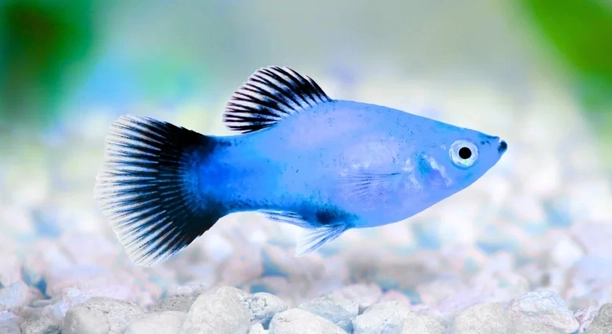
Platies are small, colorful fish often kept in home aquariums. Their behavior and reactions to the environment make them interesting to many fish enthusiasts. Understanding how they respond to threats can help in caring for them properly.
Platies can sense the presence of predators through changes in their environment, such as vibrations, water movements, and chemical signals. These sensory cues trigger defensive behaviors to help them avoid danger and increase their chances of survival.
Knowing how platies detect threats provides insight into their natural instincts and helps create a safer habitat for them in captivity.
How Platies Detect Predators
Platies rely on their senses to detect nearby predators. Their lateral line system allows them to feel vibrations and water movements caused by approaching threats. Changes in water pressure and currents alert them to danger even when predators are out of sight. Additionally, platies can sense chemical signals released by injured fish, which warns them that a predator might be nearby. These abilities help platies react quickly to avoid becoming prey. When sensing danger, they often swim faster, hide among plants, or group together for protection. Their sharp awareness is crucial for survival in both natural habitats and home aquariums. Creating a safe environment with plenty of hiding spots reduces their stress and supports their natural behavior. Observing these responses can deepen your understanding of how sensitive and alert platies truly are.
Platies’ sensory systems are finely tuned to detect subtle changes in their environment. This makes them effective at recognizing threats early.
Offering a secure and enriched tank helps platies stay calm and reduces the risk of stress-related illnesses. Proper care involves mimicking conditions that allow these natural defense mechanisms to function smoothly.
Behavioral Changes When Predators Are Present
Platies display noticeable behavioral changes when predators are close. They may become more alert and cautious, frequently darting to shelter or staying close to the tank’s bottom. These behaviors reduce their chances of being seen or caught. Stress caused by predators can also affect their appetite and social interactions. In some cases, platies may form tighter groups to appear larger and more intimidating to predators. Providing plants and hiding spaces supports these natural reactions, giving platies places to retreat when they feel threatened. Understanding these behavior patterns helps you identify when your fish feel unsafe and need adjustments in their environment. Ensuring a peaceful and well-structured habitat contributes to their overall health and longevity, making your aquarium a better home for them.
Signs of Stress in Platies
Platies under threat often show clear signs of stress. These include hiding excessively, loss of appetite, and erratic swimming. Stress can weaken their immune system and make them prone to illness.
Stress causes platies to become less active and more withdrawn. They may avoid their usual swimming areas and spend most of their time hiding behind plants or decorations. Appetite loss is common, which can lead to weight loss and poor health over time. Erratic swimming, such as sudden darting or spinning, may also indicate fear or discomfort. Recognizing these behaviors early helps prevent serious health problems. Maintaining stable water conditions and reducing sudden changes in the tank environment supports platies in feeling safe.
A stressed platy is more vulnerable to infections and disease. Keeping the aquarium clean, providing hiding spots, and avoiding aggressive tank mates are important steps. Regular observation of behavior ensures platies remain healthy and comfortable in their environment.
Creating a Safe Environment for Platies
A safe environment for platies involves clean water, proper tank mates, and plenty of hiding places. These elements reduce stress and encourage natural behavior.
Water quality should be monitored regularly to maintain appropriate temperature, pH, and cleanliness. Avoid overcrowding the tank, as too many fish increase competition and stress. Choose peaceful species that coexist well with platies to prevent aggression. Adding plants, rocks, and decorations offers secure hiding spots that help platies feel protected. This setup mimics their natural habitat, promoting a sense of safety. Providing a balanced diet and consistent feeding schedule also supports their overall well-being. Attention to these details creates a calm environment where platies can thrive and respond less fearfully to potential threats.
Predator Presence and Tank Setup
Keeping predators away from platies is essential for their safety. A well-planned tank setup can prevent unwanted stress caused by predator fish.
Separate species that are known predators from platies to avoid constant threat. This separation helps platies feel secure and less anxious.
Importance of Tank Size and Layout
The size and layout of the tank greatly affect platies’ ability to avoid predators. A larger tank provides more space to swim and escape. Adding plants and decorations creates hiding spots that offer protection. These features reduce stress and encourage natural behavior. Without enough space or shelter, platies become easy targets and may show signs of distress. Proper tank design supports their well-being by offering both physical and psychological safety.
Monitoring Behavior Daily
Daily observation of platies helps detect stress early. Noticing changes in swimming or feeding habits can prevent serious issues.
FAQ
Can platies recognize specific predators?
Platies respond to general threats rather than recognizing individual predator species. They detect changes in water movement, pressure, and chemical signals that indicate danger. These cues trigger avoidance behaviors regardless of the exact predator type. Their natural instincts help them survive by reacting quickly to any potential threat.
How fast do platies react when they sense danger?
Platies can respond almost instantly to predator cues. When vibrations or chemical signals are detected, they swim away quickly or hide. This fast reaction helps them avoid attacks and increases their chances of survival in the wild or in an aquarium.
Do platies show different behaviors around different predators?
While platies respond mainly to the presence of a threat, some predators cause stronger reactions. For example, larger or more aggressive fish nearby may make platies more cautious and secretive. However, the basic defensive behaviors like hiding and schooling remain the same across predator types.
Can platies feel stressed if there are no actual predators?
Yes, platies can become stressed by any sudden or unusual changes in their environment, including shadows, movements outside the tank, or aggressive tank mates. Stress isn’t limited to predator presence. A stable, calm environment is important to keep them relaxed.
What are signs that platies are too stressed from predators?
Excessive hiding, loss of appetite, lethargy, and erratic swimming are common signs. Stress weakens their immune system, making them vulnerable to disease. If these behaviors persist, adjustments to the tank setup or removing predators may be necessary.
Is it necessary to keep predators and platies in separate tanks?
Separating platies from known predators is best for their safety and health. Mixing aggressive or larger predatory fish can cause continuous stress or injury. If separation isn’t possible, the tank should be large with many hiding spots to reduce stress.
How can I help my platies feel safer in the tank?
Providing plants, decorations, and caves gives platies places to hide and feel secure. Keeping water clean and stable reduces stress. Avoid sudden changes in lighting or temperature. Peaceful tank mates and proper tank size also contribute to a safe environment.
Do platies ever get used to predator presence?
Platies may become less reactive over time if the predator doesn’t attack them, but this doesn’t mean they feel safe. Constant exposure to predators still causes stress, which can harm their health. Minimizing predator presence is the better approach.
Can platies detect predators through smell?
Yes, platies can sense chemical signals or pheromones released by injured or stressed fish. These scents warn them that danger is near, prompting defensive behaviors such as hiding or schooling. This sense plays a key role alongside their ability to detect water movement.
Are there ways to reduce platies’ stress if predators cannot be removed?
Increasing hiding spots, maintaining water quality, and ensuring enough space can help. Feeding them well and on a regular schedule also supports their health. Monitoring their behavior closely lets you catch stress signs early and make necessary adjustments.
Do younger platies react differently to predators than adults?
Juvenile platies tend to be more vulnerable and may hide more frequently. Adults often show stronger escape responses and schooling behaviors. Both age groups rely on their senses to avoid threats, but younger fish need more protection to survive.
Can platies communicate danger to each other?
While they don’t communicate like mammals, platies show group behaviors such as schooling tightly when threatened. This collective response makes it harder for predators to isolate an individual. Chemical signals may also alert other fish to danger.
How does tank size affect platies’ ability to avoid predators?
Larger tanks provide more space to escape and hide, reducing stress and injury risk. Small tanks limit movement and make it easier for predators to corner platies. Proper tank size is essential for their safety and well-being.
Are platies more sensitive to certain types of predators?
Platies react strongly to fast-moving or aggressive fish. Slow or non-threatening species cause less fear. Their responses depend more on the predator’s behavior than species alone.
What can I do if my platies are showing constant stress signs?
Assess the tank environment for predators, water quality, and hiding spots. Remove or separate aggressive fish if possible. Improve habitat complexity with plants and decorations. Regular feeding and stable conditions help platies recover and thrive.
Final Thoughts
Platies are small fish with natural instincts that help them survive in the presence of predators. They use their senses to detect danger through vibrations, water movements, and chemical signals. These signals trigger behaviors such as hiding, swimming away quickly, or schooling together. Their ability to sense threats is important both in the wild and in home aquariums. Understanding these instincts helps fish keepers provide a better environment that supports platies’ safety and well-being.
Creating a secure habitat is essential for reducing stress in platies. Stress can harm their health, making them more vulnerable to disease. Providing plenty of hiding places, like plants and decorations, allows platies to feel safe when threatened. It is also important to maintain good water quality and stable conditions. Avoiding overcrowding and choosing peaceful tank mates can prevent unnecessary fear and aggression. These steps help platies live a more natural and comfortable life.
Careful observation is key to noticing how platies respond to their surroundings. Watching for changes in behavior, such as hiding or loss of appetite, can signal stress or discomfort. Acting on these signs by improving tank conditions or separating predators is important. Keeping a calm and well-structured environment supports platies in staying healthy and active. With the right care, platies can thrive and display their natural behaviors with confidence.

Hello,
If you enjoy the content that we create, please consider saying a "Thank You!" by leaving a tip.
Every little bit helps us continue crafting quality advice that supports the health, happiness, and well-being of pets around the world, for pets of all shapes, sizes, and species.
We really appreciate the kindness and support that you show us!