
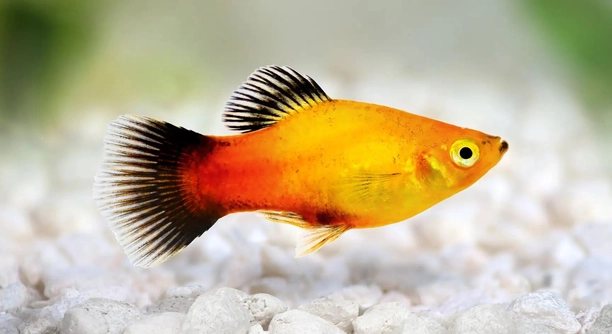
Have you ever sat in a quiet room and noticed your pet fish behaving a little differently, almost like they sense the mood?
Platies are capable of picking up on changes in their environment, including emotional energy and stress in a room. Their reactions, while not emotional in the human sense, often reflect subtle behavioral shifts tied to external cues.
These small changes might seem minor, but they can shape how your platy acts each day in its tank.
How Platies Respond to Emotional Changes
Platies are small tropical fish known for their active and social nature. Although they do not process emotions the way humans do, they are sensitive to changes in their surroundings. Sudden shifts in noise, light, or movement can cause them to react in noticeable ways. If a room feels tense or people are moving quickly or loudly, platies may dart around, hide behind decorations, or stay near the bottom of the tank. Their behavior can shift based on the energy in the room, even if it’s not directly aimed at them. These reactions are not based on emotion as we understand it, but rather on instinct and environmental sensitivity. A calm space usually leads to calm fish, while a stressful space may make them more skittish or inactive. Because of this, your daily behavior, mood, and activity around their tank can influence how secure they feel in their habitat.
Platies also rely heavily on routine. Disruptions in feeding time or lighting can affect their behavior and stress levels.
Creating a peaceful setting, using consistent light cycles, soft voices, and minimal tank tapping can help them feel more secure. These changes may seem small, but they support a balanced and stable environment for your fish.
Signs of Stress and Discomfort
Stressed platies tend to show specific signs. Watch for rapid swimming, hiding often, fading color, or loss of appetite. These behaviors often mean something in the room or tank has changed.
Emotional energy may not be visible, but platies respond to subtle shifts around them. Raised voices, arguments, or sudden movements can impact their comfort. While they cannot understand what is happening, their senses are tuned to vibrations and light. If someone walks quickly past the tank or if the TV volume is suddenly turned up, your platy might react. This sensitivity helps them stay alert, but too many changes in a short period can leave them feeling unsafe. Stress, if left unmanaged, can lead to long-term health problems in fish. Creating a quiet, consistent environment makes a noticeable difference in their well-being. Platies thrive when the area around their tank feels steady and calm, which supports both their behavior and overall health.
Creating a Calm Environment for Your Platy
Platies need consistency. Loud noises, sudden temperature changes, or tapping on the tank can cause them to become stressed or scared. Try to keep their environment quiet, with soft lighting and a predictable routine throughout the day to help them feel safe.
One of the easiest ways to maintain a calm space is by placing the tank in a low-traffic area. Avoid putting it near TVs, speakers, or doorways where people pass by often. Dim lighting during the evening hours can help ease them into rest mode, while keeping a regular day-night cycle supports their natural rhythm. Feeding them at the same time each day builds trust and stability. Make sure tank mates are peaceful and not too active. Aggressive or fast-moving fish can disturb your platies and create constant stress, even if the water conditions are ideal. Reducing outside stressors keeps your platies relaxed and healthy.
Changes should be slow and gentle. When cleaning the tank or adjusting water temperature, do so gradually. Even slight shifts in water quality or décor can unsettle them. Avoid loud conversations or slamming doors near the tank. If you notice your platy hiding more or refusing food, take a step back and check what may have changed in their space. Often, it’s something small that can be easily adjusted. Platies do best when life around them feels steady and predictable. A calm environment helps them stay more active, eat well, and interact with their surroundings confidently, rather than reacting out of fear or stress. Small efforts can go a long way in supporting their well-being.
How Human Emotions May Affect Their Behavior
Your daily mood can quietly shape the atmosphere around your platy tank. If there’s tension in the room—like arguments, pacing, or raised voices—your fish may respond by becoming more withdrawn or jumpy. Calm voices and slow movements make a noticeable difference in how they behave.
Although platies do not feel emotions the way humans do, they are responsive to energy shifts in their environment. Their hearing is limited, but they sense vibrations and movement through the water. Emotional tension in a room often comes with louder footsteps, clapping, or sudden changes in lighting, which all impact their sense of security. If someone in the home is regularly stressed or upset near the tank, it could affect how the fish behave over time. Keeping the tank in a peaceful corner, away from emotionally charged areas, can help. Your energy matters more than you think, even for a small fish just swimming in its tank.
What to Watch For in Their Behavior
If your platy starts hiding more than usual or stops swimming around actively, it might be reacting to stress in the room. These changes often happen when there’s more noise, sudden movement, or disruptions in their daily routine.
Loss of appetite, pale coloring, or darting quickly from one side of the tank to the other are also signs something may be off. These behaviors may not mean illness—they often reflect discomfort or overstimulation caused by changes in their surroundings.
When to Step In
If behavioral changes continue for more than a few days, it may be time to adjust the environment. Check for new sounds, light shifts, or activity near the tank that could be unsettling. Also, test the water to rule out other issues. Once those are addressed, focus on creating a steady routine again. Keep lighting consistent, avoid loud activities near the tank, and try speaking softly around it. Sometimes, just moving the tank a few feet away from a busy hallway or TV can help. Your platy doesn’t need a silent home—just a space that feels safe, stable, and gently cared for each day.
The Role of Routine
Keeping a consistent routine gives your platy a sense of safety. Feed them at the same times, avoid sudden changes, and maintain a regular cleaning schedule to support their comfort.
Can platies really sense emotional changes in a room?
Platies don’t experience emotions like humans do, but they are sensitive to environmental changes that often accompany emotional shifts. Sounds, vibrations, and sudden movements can alert them to activity around the tank. These changes might cause them to swim nervously, hide, or act less social. Their reaction is more about instinct and survival than understanding emotions, but they do pick up on the atmosphere around them. If the mood in the room is tense or noisy, your platy may reflect that by showing signs of stress or discomfort.
What behaviors show that my platy is stressed?
Signs of stress in platies include hiding frequently, swimming erratically, losing color, or refusing food. They might also stay at the bottom of the tank or near decorations more than usual. Sudden darting or gasping at the surface can also be stress indicators. It’s important to observe their normal behavior first so you can notice when something changes. Stress can be caused by environmental factors like water quality, tank mates, or even the energy in the room.
How can I create a calm environment for my platy?
Place the tank in a quiet area with low foot traffic and away from loud appliances or televisions. Use gentle lighting and keep a regular schedule for feeding and tank maintenance. Avoid tapping on the glass or making loud noises near the tank. If you notice your platy reacts to sudden changes, try to keep things consistent. Soft voices and slow movements around the tank help keep the fish calm.
Can human moods affect my fish’s behavior?
Indirectly, yes. Humans release vibrations and noises when upset or agitated, which can be sensed by the fish. Raised voices, heavy footsteps, or quick movements often accompany emotional tension, and platies may respond to these by becoming shy or restless. They don’t understand the cause, but their sensitive nature allows them to pick up on changes in the environment caused by human emotions.
How long does it take for a platy to adjust after a stressful event?
Adjustment times vary depending on the severity of the stress and the environment. Mild disturbances might only upset a platy for a few hours, while longer or repeated stressors can cause days of uneasy behavior. Returning the tank to a calm, stable state and maintaining routine helps speed up recovery. Monitor your fish closely to ensure they return to normal swimming and eating habits.
What should I do if my platy keeps hiding or refuses to eat?
First, check water quality parameters like temperature, pH, ammonia, and nitrite levels. Poor water quality can cause stress and illness. Make sure the tank is clean and the filter is working properly. If the environment is fine, review recent changes around the tank, such as new fish, loud noises, or bright lights. Try reducing disturbances and keeping feeding times regular. If hiding and loss of appetite continue, it might be a sign of illness, and consulting an expert is recommended.
Are there specific tank mates that cause stress for platies?
Yes, aggressive or overly active fish can stress platies. Avoid housing platies with large or aggressive species that may chase or nip at them. Peaceful community fish like guppies, mollies, or tetras usually make better companions. Watch interactions closely when introducing new fish to ensure no bullying or constant chasing occurs, as this can lead to long-term stress and health problems.
How can I tell if my platy is healthy overall?
A healthy platy swims actively, has bright colors, and eats regularly. It should explore its environment, respond to feeding, and show no signs of lethargy or physical damage. Healthy platies will also interact with tank mates without signs of fear or aggression. Regular observation helps catch changes early before health declines.
Do platies need special lighting to feel comfortable?
Platies don’t require special lighting, but a stable day-night cycle supports their natural rhythm. Avoid intense or flashing lights that can cause stress. Soft, moderate lighting that mimics natural daylight works well. Turning off lights at night helps them rest. Consistency in lighting schedule is more important than the type of light used.
What role does water temperature play in a platy’s comfort?
Water temperature affects metabolism, activity level, and stress. Platies prefer temperatures between 72°F and 78°F (22°C to 26°C). Sudden temperature changes can stress them, so keep the water stable. Using a reliable heater and thermometer helps maintain proper temperature. Too cold or too warm water can weaken their immune system and affect behavior.
Can changes in tank décor affect platies?
Yes, platies may become stressed if their environment changes suddenly. Rearranging decorations, adding new plants, or changing substrate can cause them to hide or swim nervously. Introduce changes slowly and give them time to adjust. Providing plenty of hiding spots with plants or ornaments helps them feel secure.
How often should I clean the tank to avoid stressing my platy?
Regular cleaning is important but should be done gently. Partial water changes of about 20-30% weekly or biweekly keep water quality high without shocking your fish. Avoid full tank cleanings unless absolutely necessary, as this can disrupt beneficial bacteria and increase stress. Cleaning decorations and gravel carefully prevents disturbing the tank’s balance. Maintaining clean water supports a healthy, calm fish environment.
Is it normal for platies to react to people moving near their tank?
Yes, platies are alert to movement around their tank. Fast or sudden motions can startle them. They often watch people closely but may dart away if surprised. This sensitivity helps them stay safe in their environment. Moving slowly and calmly near the tank reduces stress and encourages interaction over time.
Platies are small fish that respond to their environment in many ways. While they do not feel emotions like humans, they can sense changes around them. These changes might include noises, light shifts, or sudden movements. When the energy in a room is tense or loud, platies may become nervous or hide more often. This shows how sensitive they are to their surroundings. Paying attention to their behavior helps us understand when something might be wrong. Keeping their environment calm and steady allows them to feel more comfortable and safe in their tanks.
Creating a peaceful space for your platy is important for their well-being. Simple steps like placing the tank away from loud areas, using soft lighting, and keeping a regular feeding schedule can make a big difference. It is also helpful to avoid sudden changes near the tank, such as tapping on the glass or moving decorations quickly. These small actions can reduce stress and help platies stay healthy. Watching how your fish behave over time will let you know if they are adjusting well to their environment or if something needs to be changed.
Your mood and actions near the tank can impact your platy more than you might think. Even though they don’t understand feelings, they notice vibrations and sounds from humans. When people are calm and quiet, the fish tend to be calmer too. If the room is noisy or filled with tension, platies may react by hiding or acting nervously. This shows how important it is to create a steady, peaceful place for them. By paying close attention and making small improvements to their environment, you can help your platies live a happier, healthier life.

Hello,
If you enjoy the content that we create, please consider saying a "Thank You!" by leaving a tip.
Every little bit helps us continue crafting quality advice that supports the health, happiness, and well-being of pets around the world, for pets of all shapes, sizes, and species.
We really appreciate the kindness and support that you show us!