
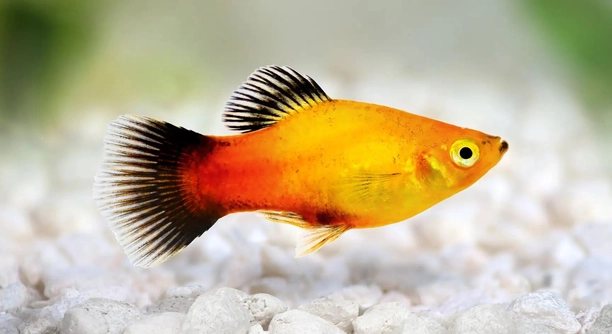
Platies are popular freshwater fish often kept in home aquariums. Many fish owners enjoy watching their playful behavior and interactions. These small fish seem lively, raising questions about their individual traits.
Research indicates that platies can show variations in behavior that suggest the development of unique personalities. These differences may be influenced by genetics, environment, and social interactions within their groups. However, personality traits in platies are less complex compared to mammals or birds.
Understanding platies’ behavior helps fishkeepers provide better care and creates a more engaging aquarium experience. Learning about their individual differences can change how you see these colorful swimmers.
What Does Personality Mean in Fish?
Personality in fish refers to consistent differences in behavior among individuals. In platies, this might look like some fish being more active or bold, while others stay shy or cautious. These traits show up over time and are noticeable even in the same environment. For example, one platy might explore the tank more often, while another prefers hiding near plants. These patterns are influenced by both genetics and how the fish interact with their surroundings. Watching these behaviors can help you understand which fish are more social or dominant. Knowing this can guide how you arrange your tank, such as providing spaces for shy fish to feel safe. It also affects how the fish respond to feeding or new tank mates. Recognizing personality differences adds a new layer to caring for platies and can make aquarium keeping more rewarding.
Personality means lasting behavior differences that make individual fish unique in how they act and react.
Learning about these traits helps you better manage your aquarium and keep all your platies comfortable.
How Environment Shapes Platy Behavior
The environment plays a big role in shaping platy behavior. Factors like tank size, decorations, and water conditions affect how fish act daily. A spacious tank encourages more exploration, making fish appear active and confident. On the other hand, a crowded or bare tank can stress platies, causing them to hide or act timid. The presence of plants and hiding spots is important for their sense of security. Lighting also impacts behavior; too bright can make them nervous, while dim lighting tends to calm them. Social interactions matter, too. Platies living with others tend to develop social behaviors, such as following each other or establishing hierarchies. Changes in environment can alter how their personalities express themselves. Keeping a stable and comfortable habitat lets platies show their natural behavior more clearly.
Platies’ behavior adapts based on their surroundings, highlighting the importance of a well-maintained, suitable tank.
Creating a supportive environment allows personality traits to develop and become more visible, improving fish wellbeing and owner satisfaction.
Recognizing Individual Differences in Platies
Platies show unique behaviors that help identify their personalities. Some swim actively across the tank, while others stay near the bottom or hide. These patterns are consistent over time and reflect individual preferences.
Some platies are naturally more curious and will explore new tank decorations quickly. Others are more cautious, preferring to observe from a distance before engaging. This behavior affects how they interact with tank mates and respond to feeding times. For example, a bold platy may compete for food, while a shy one waits patiently or eats later. These differences highlight how individual personalities can influence daily life in the aquarium.
Recognizing these traits helps you understand the dynamics in your tank. It can also guide decisions on tank setup, feeding, and adding new fish to ensure harmony and reduce stress. Observing platies regularly lets you see their unique traits and respond to their needs better.
Impact of Social Behavior on Personality
Social interactions shape how platies behave and express their personalities. They form groups and establish simple hierarchies, which influence confidence and activity levels. Some platies become dominant, while others remain more submissive or reserved.
The presence of tank mates affects how each fish behaves. In groups, social platies may be more outgoing, exploring and interacting more often. Less social fish might keep to themselves or hide. Changes in group composition, like adding or removing fish, can shift these dynamics and reveal new behaviors. Understanding social behavior helps in managing the tank and maintaining a peaceful environment where all platies feel secure.
How Feeding Habits Reflect Personality
Feeding habits vary among platies, showing different personality traits. Some fish are quick and eager, while others are slow and cautious.
Bold platies often rush to the food as soon as it is added. Shyer ones wait their turn or eat from safer spots in the tank.
Effects of Stress on Behavior
Stress can change how platies act, sometimes hiding their true personalities. Factors like poor water quality or aggressive tank mates increase stress. Platies under stress may become less active, hide more, or lose their appetite. Maintaining a stable environment helps platies show their natural behavior and personalities.
Can Platies Learn and Adapt?
Platies can learn from their environment and adapt behaviors. Over time, they may recognize feeding times or react to tank mates differently. This adaptability suggests a simple level of learning and memory, which supports the idea of personality traits developing and changing with experience.
Importance of Observation
Regular observation helps notice platies’ unique behaviors and personalities. It allows timely care adjustments to meet their needs and improve their wellbeing.
How can I tell if my platy has a unique personality?
You can notice a platy’s personality by watching how it behaves compared to others in the tank. Some may be more active, swimming around constantly, while others might stay hidden or near plants. Pay attention to how they react to feeding, new decorations, or other fish. Over time, consistent behavior patterns will help you identify their unique traits. For example, a bold platy might approach you or explore new areas first, while a shy one keeps to the back.
Do platies prefer to be alone or in groups?
Platies are social fish and generally prefer being in groups. They feel safer and more comfortable around others of their kind. Keeping them in small groups helps reduce stress and encourages natural behaviors like schooling and interacting. However, individual personalities will still show within the group. Some platies may be more dominant, while others are quieter. Avoid keeping a single platy alone as it can lead to loneliness and boredom.
Can changing the tank environment affect a platy’s personality?
Yes, changes in the tank environment can influence how a platy behaves. Adding plants, decorations, or rearranging hiding spots can make fish feel more secure or curious. Poor water quality or sudden changes in temperature can cause stress, which may hide or alter their usual behaviors. Stable and comfortable conditions allow platies to express their true personalities better. Observing how your fish respond to changes will give clues about their comfort and behavior.
Are platies aggressive toward each other?
Platies are generally peaceful, but mild aggression can happen, especially when establishing dominance in groups. This is more common if the tank is crowded or lacks enough hiding spots. Aggression might look like chasing or nipping fins. Providing enough space, plants, and hiding places helps reduce this behavior. It’s normal for platies to have some social order, but serious aggression should be managed by adjusting tank conditions or separating aggressive individuals.
Can platies recognize their owners?
Platies don’t recognize owners like pets such as dogs or cats do, but they can learn to associate people with feeding times. Over time, they may swim toward the front of the tank when someone approaches. This reaction shows they remember where food comes from, not personal recognition. Consistent feeding routines help build this behavior, making it seem like the fish are responding to you personally.
How do I help a shy platy become more confident?
To help a shy platy feel confident, create plenty of hiding spots with plants or decorations where it can retreat safely. Avoid sudden movements or loud noises around the tank. Feeding near their hiding area helps build trust. Keep the tank peaceful by avoiding aggressive tank mates. With patience, shy platies often become more comfortable exploring and interacting in their environment.
Do male and female platies have different personalities?
Male and female platies can show some differences in behavior. Males are usually more active and may chase females during mating. Females tend to be calmer and sometimes more cautious. These differences are part of their natural roles but don’t mean one sex has a stronger personality overall. Individual variation within males and females is common, so personality depends more on the fish itself than its gender.
Can platies change their behavior over time?
Yes, platies can change behavior with age, experience, or changes in their environment. Young fish may be more curious and active, while older ones might slow down. Learning from their surroundings and interactions with other fish can also shape behavior. Stress or illness might temporarily alter their usual actions. Providing stable conditions and proper care helps platies maintain their natural personality traits.
What role does genetics play in platy personality?
Genetics partly influence personality in platies, passing traits like boldness or shyness from parents to offspring. However, environment and experiences also shape how these traits appear. Even fish from the same parents can behave differently due to tank conditions or social groups. Genetics sets a foundation, but personality is a mix of inherited traits and life experiences.
Is it possible to train platies?
While platies don’t learn tricks like some pets, they can learn simple routines. For example, they recognize feeding times and may come to the front of the tank when it’s time to eat. They can also get used to specific people or movements. This basic learning shows they can adapt to their environment, which is part of how their personality develops over time. Training beyond this is limited by their natural abilities.
Platies are small fish that can show different behaviors, which many people think of as personalities. These differences come from their genetics, environment, and social life. While platies don’t have complex personalities like bigger animals, they do have unique ways of acting. Some are bold and active, while others are shy and quiet. Watching your platies over time will help you notice these little differences. Understanding their behavior makes taking care of them easier and more enjoyable.
The environment around the platies plays a big part in how they behave. A well-set tank with enough space, plants, and hiding spots helps platies feel safe. When they feel secure, they are more likely to show their true personality. If the tank is too crowded or water conditions are poor, the fish may become stressed. Stress can make platies hide or act differently from normal. Paying attention to water quality and tank setup can help platies stay healthy and show their natural behavior.
Social life is important for platies too. They do best in groups and enjoy being around other fish. Their personalities can change depending on who they live with and how many fish are in the tank. Some platies become leaders, while others prefer to stay in the background. Keeping platies in the right social setting will help their personalities develop well. Overall, knowing about their behaviors and needs leads to a happier, healthier aquarium for both the fish and the owner.

Hello,
If you enjoy the content that we create, please consider saying a "Thank You!" by leaving a tip.
Every little bit helps us continue crafting quality advice that supports the health, happiness, and well-being of pets around the world, for pets of all shapes, sizes, and species.
We really appreciate the kindness and support that you show us!