
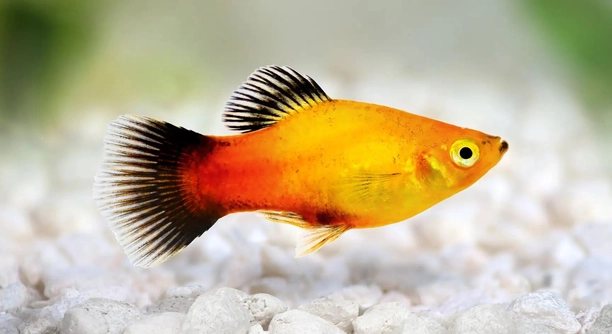
Platies are popular freshwater fish known for their vibrant colors and peaceful nature. Many aquarium owners enjoy watching their playful behavior and often wonder about their interactions within different tank setups. Understanding platies’ habits helps create a better environment for them.
Platies can develop preferences for certain tank conditions, including specific hiding spots, plants, and water parameters. These preferences influence their comfort and behavior, impacting their overall well-being and social interactions within the aquarium environment.
Exploring platies’ tank preferences can improve how you set up their habitat and promote healthier, happier fish. This article will provide insights into their behaviors and environmental needs.
How Platies Choose Their Favorite Spots
Platies tend to pick certain areas in the tank where they feel safest and most comfortable. They often prefer spots with plenty of plants or decorations that offer shelter. These hiding places help them feel secure from other fish or sudden movements outside the tank. Lighting also plays a role, as platies usually avoid overly bright areas, opting for dimmer corners instead. The flow of water matters too—many platies like gentle currents rather than strong water movement. Tank size can influence their choices, with larger tanks offering more options and allowing fish to spread out. Temperature and water quality also affect where platies spend most of their time. Keeping these factors steady can encourage your platies to be more active and less stressed, improving their overall health and behavior.
Platies generally favor areas with moderate hiding spots and gentle water flow. These choices boost their comfort and activity levels.
Recognizing these preferences helps in arranging the tank thoughtfully. Adding plants, rocks, or caves where platies naturally gather makes a more inviting environment for them. Adjusting lighting and maintaining steady water conditions will also encourage them to explore and interact more, making your tank lively and balanced.
Tank Environment and Its Impact on Platies
Platies respond quickly to changes in their tank environment, such as water temperature, pH, and cleanliness. Stable conditions keep them healthy and calm, while sudden shifts can cause stress or illness. Proper filtration and regular water changes are essential to maintaining water quality. The presence of plants can help regulate the water and offer natural hiding spots. The right environment also promotes breeding and social behavior, allowing platies to thrive in a community tank.
A balanced tank environment supports the overall health and happiness of platies.
Maintaining consistent temperature between 72°F and 78°F, and keeping pH levels around 7.0 to 8.2, suits platies best. Frequent water checks and cleaning prevent harmful buildup of waste and toxins. Including live plants not only beautifies the tank but also stabilizes water chemistry and provides shelter. A well-set tank encourages natural behavior, reduces stress, and helps platies interact peacefully with other fish. Proper environment care is key to enjoying vibrant, active platies over time.
Social Behavior and Tank Preferences
Platies are social fish that often form small groups. Their tank preferences are influenced by how they interact with other fish. They tend to avoid aggressive tank mates and prefer peaceful companions.
In groups, platies show signs of hierarchy but usually maintain harmony. They swim together in loose schools, which helps reduce stress and gives them a sense of security. If the tank has too many aggressive fish, platies may hide more or become less active. Providing enough space and hiding places helps maintain balance. The social environment influences where they spend most of their time and how comfortable they feel.
Fish compatibility affects platies’ well-being and tank choices. A peaceful community encourages them to explore more, while conflict can cause them to retreat to safer areas. Understanding their social needs helps create a stable and healthy tank environment.
Recognizing Signs of Stress in Platies
Stress in platies can show through changes in behavior and appearance. Common signs include hiding frequently, loss of appetite, and dull coloration. Early detection helps prevent health issues.
Stress often results from poor water quality, aggressive tank mates, or sudden changes in environment. It is important to monitor platies regularly for any unusual activity or physical symptoms like clamped fins or lethargy. Addressing these issues quickly improves their chances of recovery.
Reducing stress involves maintaining clean water, providing adequate space, and choosing compatible tank mates. Ensuring a calm and stable environment helps platies thrive and show their natural behaviors without fear or discomfort.
Feeding Preferences and Their Effect on Tank Behavior
Platies tend to favor certain foods, which can influence where they spend time in the tank. They usually gather near feeding areas or places where food settles.
Offering a balanced diet of flakes, pellets, and occasional live or frozen foods keeps platies healthy. Feeding schedules also shape their daily movement and social interaction within the tank.
Lighting and Its Influence on Platies
Lighting plays an important role in platies’ tank preferences. They generally prefer moderate lighting that mimics their natural environment. Too bright or too dim lighting can affect their activity and stress levels. Proper lighting encourages healthy behavior and vibrant coloration, contributing to a more natural tank atmosphere.
Temperature Effects on Platies
Platies thrive in water temperatures between 72°F and 78°F. Outside this range, their metabolism and activity can slow down or become erratic.
Tank Decoration and Comfort
Decorations like plants, rocks, and caves create hiding spots that platies use to feel secure. These elements encourage natural behavior and reduce stress.
FAQ
Can platies recognize their owners?
Platies are more focused on their tank environment than recognizing people. While they may respond to movement near the tank, they do not form personal bonds with owners like some pets do. Their reactions are mostly linked to feeding time or changes in the tank.
How often should I feed platies?
Feeding platies once or twice a day is enough. Provide small amounts they can eat within a few minutes to avoid leftover food polluting the water. A varied diet with flakes, pellets, and occasional live or frozen food keeps them healthy.
Do platies prefer planted tanks?
Yes, platies generally enjoy planted tanks. Plants offer hiding spots and reduce stress. They also help maintain better water quality by absorbing nitrates. Live plants create a more natural environment, which supports platies’ comfort and behavior.
Can platies live with other fish?
Platies are peaceful and do well with other non-aggressive fish of similar size. Avoid keeping them with large or aggressive species that may bully or harm them. Good tank mates include tetras, mollies, and guppies.
What water parameters do platies need?
Platies thrive in water with a temperature between 72°F and 78°F, pH between 7.0 and 8.2, and moderate hardness. Regular water testing and maintenance are important to keep these parameters stable for their health.
How big should a tank be for platies?
A minimum of 10 gallons is recommended for a small group of platies. Larger tanks offer more space for swimming and reduce territorial disputes. Adequate space also allows better placement of plants and decorations.
Do platies need special lighting?
Platies do well with moderate lighting that mimics natural daylight. Too bright or harsh light can stress them, while too dim lighting may reduce their activity. Using a timer helps keep a consistent day-night cycle.
Why do platies hide a lot?
Hiding often signals stress or discomfort. Causes include aggressive tank mates, poor water quality, or sudden environmental changes. Providing plenty of plants and decorations helps them feel safe and reduces hiding behavior.
Can platies change color?
Yes, platies can change color slightly depending on their mood, health, and environment. Stress or illness may dull their colors, while a healthy, comfortable fish shows brighter, more vibrant hues.
How do I encourage breeding in platies?
Breeding platies requires stable water conditions, a balanced diet, and plenty of hiding spots for fry. Separating males and females before reintroducing them can help stimulate breeding behavior. Once fry appear, ensure they have protected areas away from adult fish.
What are common health issues in platies?
Common problems include ich, fin rot, and swim bladder disorders. These often result from poor water quality or stress. Maintaining clean water and a calm tank environment helps prevent most diseases.
How can I reduce stress in my platies?
Stress can be lowered by keeping water clean, providing hiding places, choosing compatible tank mates, and maintaining steady temperature and lighting. Regular monitoring helps catch issues early and keeps platies healthy.
Can platies tolerate different water hardness levels?
Platies prefer moderate to hard water, but they are quite adaptable. Sudden changes in hardness can cause stress, so any adjustments should be made gradually over time.
Is it necessary to quarantine new platies?
Quarantining new fish is always a good practice to prevent introducing diseases into the main tank. A separate quarantine tank for at least two weeks helps monitor health and treat any issues before adding new platies.
How long do platies usually live?
Platies typically live around 2 to 3 years with proper care. Good water quality, nutrition, and a stress-free environment can help extend their lifespan.
Platies are lively and colorful fish that can bring a lot of enjoyment to any freshwater aquarium. Understanding their preferences helps ensure they stay healthy and happy. They tend to choose certain spots in the tank based on factors like shelter, water flow, and lighting. These choices reflect their natural instincts to feel safe and comfortable in their environment. When their needs are met, platies show more active behavior and interact better with other fish in the tank. It is important to pay attention to their favorite areas and try to replicate these conditions when setting up or rearranging your aquarium.
The environment you provide plays a significant role in how well your platies do. Stable water conditions, proper temperature, and clean water all contribute to their well-being. Adding live plants and decorations can create hiding spots that reduce stress and give your platies a sense of security. The type of tank mates also matters, as platies prefer peaceful companions that don’t threaten them. Watching their behavior can give clues about how comfortable they are. If platies hide often or seem inactive, it may be a sign that something in the tank needs to be adjusted to better suit their needs.
Taking care of platies requires attention to detail but is very rewarding. Small changes to lighting, feeding habits, or tank setup can have a big impact on their comfort and health. Regular maintenance, such as water changes and monitoring water parameters, keeps the tank stable and supports their natural behaviors. Being aware of signs of stress or illness and acting quickly can help your platies live a longer and healthier life. Overall, creating an environment that respects their preferences allows platies to thrive and brings more enjoyment to the aquarium experience.

Hello,
If you enjoy the content that we create, please consider saying a "Thank You!" by leaving a tip.
Every little bit helps us continue crafting quality advice that supports the health, happiness, and well-being of pets around the world, for pets of all shapes, sizes, and species.
We really appreciate the kindness and support that you show us!