
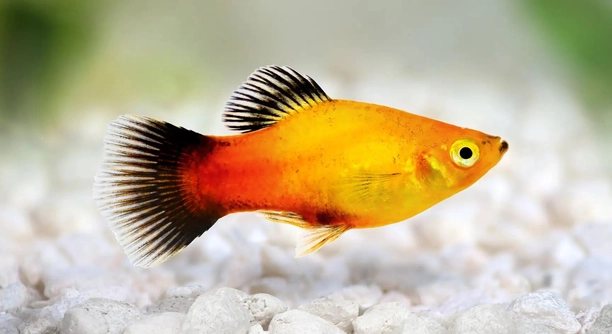
Many aquarium owners enjoy watching platies swim and interact with their environment. These small, colorful fish often show interesting behaviors that make them fun to observe. Resting habits can reveal a lot about their comfort and preferences.
Platies can develop favorite resting spots in their tanks. They tend to choose areas that offer safety, comfort, and easy access to food. These preferences are influenced by tank layout, lighting, and social interactions with other fish.
Understanding where platies like to rest can help improve their care and create a better home for them. This article will explain the factors that affect their resting choices and what it means for their well-being.
How Platies Choose Their Resting Spots
Platies tend to pick resting spots that feel safe and comfortable. They often rest near plants, decorations, or aquarium corners where they feel protected from open spaces. These fish like to avoid strong currents and bright light when they settle down. They also choose spots close to food sources so they can eat quickly if needed. Tankmates influence resting choices too—platies avoid areas where more aggressive fish hang out. Temperature plays a role; slightly warmer spots encourage them to rest there. Over time, a platy may return to the same spot regularly, showing a preference. Watching where your platies rest can give clues about how they feel in their tank. If they avoid certain areas, it might mean those spots are uncomfortable or stressful. Making changes to tank setup can help create better resting places and improve their overall well-being.
Platies prefer calm, sheltered areas with moderate light and temperature for resting. They seek comfort and safety.
Observing your platies’ resting habits can guide tank adjustments. Adding plants or hiding spots may encourage them to rest more peacefully. Avoid placing strong filters or lights near their favorite spots to reduce stress. Providing a stable environment with gentle water flow helps keep them relaxed. When platies feel secure, they are more likely to rest in one place consistently. This can lead to healthier, less stressed fish. Understanding these patterns also helps you notice any changes in behavior early, which might signal health issues. Regularly checking and adapting their environment will support their natural resting preferences and overall happiness.
The Role of Tank Environment in Resting Behavior
The tank environment has a big impact on where platies choose to rest. Factors like tank size, decorations, and water conditions shape their comfort. A well-planted tank gives them many safe spots to hide and relax. Open tanks with few hiding places can cause platies to feel exposed and restless. Lighting is also important—too bright can make them nervous, while dimmer light promotes calm. Water temperature should be stable, around 72 to 78°F, to support their natural resting cycles. Strong water currents from filters or pumps can discourage platies from settling in certain areas. Even tankmates influence resting choices, as peaceful fish encourage a calm environment. Creating a balanced and comfortable tank setup helps platies develop favorite resting spots and thrive in captivity.
Maintaining stable water conditions and a comfortable tank layout encourages platies to rest comfortably.
A properly arranged tank benefits platies by providing consistent, secure resting areas. Plants and decorations break up open space, giving the fish more options to relax. Soft lighting reduces stress, making resting easier. Keep filter flow gentle to avoid disturbing their rest. Temperature stability is key since fluctuations can lead to discomfort and erratic behavior. Pay attention to where your platies spend time resting and adjust the environment to support these areas. Over time, you’ll notice patterns that reveal their preferences. These insights help you fine-tune tank care, ensuring your platies have a peaceful place to rest and stay healthy.
Recognizing Favorite Resting Spots
Platies often return to the same resting spots daily. These areas usually provide shelter and a sense of security. Watching their behavior helps identify these preferred locations.
Favorite spots are typically near plants, decorations, or tank corners. Platies rest quietly there, sometimes blending with their surroundings. They avoid open, bright areas or strong currents when resting. If a platy consistently chooses one spot, it likely meets their needs for comfort and safety. These preferences can vary between individual fish, depending on personality and tank conditions. Paying attention to where your platies spend downtime can improve how you arrange their environment.
Sometimes, platies may change their favorite resting spots. This shift can result from tank rearrangements, new tankmates, or water condition changes. A spot that once felt safe might become less appealing. Regular observation ensures their resting areas remain comfortable. Adjusting decorations or lighting can help maintain preferred locations. Recognizing these habits aids in creating a stable, low-stress environment for your platies to thrive.
Impact of Social Behavior on Resting Choices
Platies are social fish, and their resting spots are influenced by group dynamics. They tend to rest near other peaceful fish and avoid aggressive or overly active tankmates. When housed with calm companions, platies feel more secure and settle in predictable resting areas.
Social interactions affect resting behavior in several ways. In groups, dominant fish may claim certain spots, pushing others to less preferred areas. Smaller or shy platies might choose hidden spots to avoid conflict. A well-balanced community with compatible species promotes consistent resting patterns. If stress from aggressive fish is high, platies may become restless and avoid resting altogether. Providing enough space and hiding places helps reduce social tension. Understanding how social behavior impacts resting preferences allows for better tank management and happier fish.
Comfort Factors That Influence Resting Spots
Platies look for soft surfaces and gentle currents when resting. Rough or sharp decorations can make them avoid certain areas. Soft plants and smooth rocks are preferred.
Light levels also matter. Too bright or direct light can stress platies, pushing them to shaded spots. Dimmer areas often become their favorite resting places.
How Lighting Affects Platy Behavior
Lighting influences platies’ activity and resting habits. Bright lights may make them seek shelter more often, as strong illumination can feel threatening. In contrast, low or indirect lighting creates a calm environment that encourages relaxation. Adjusting light intensity and duration helps platies develop consistent resting patterns. Natural day-night cycles support their biological rhythms and well-being. Too much light, however, can increase stress, causing restlessness or hiding behavior. Proper lighting balances visibility and comfort, making resting spots more appealing and helping maintain healthy fish behavior over time.
Signs of Stress in Resting Behavior
When platies are stressed, they may rest less or hide excessively. Restlessness and erratic swimming can also occur.
FAQ
Can platies share resting spots with other fish?
Yes, platies can share resting spots with other peaceful fish. They often feel more secure when resting near calm tankmates. However, if tankmates are aggressive or overly active, platies may avoid shared areas and look for quieter places. It’s important to provide enough hiding spots and space so all fish can rest comfortably without stress.
How can I tell if my platy is resting or hiding because it’s sick?
Resting platies typically remain calm and in the same spot for a while. If your platy is hiding more than usual, stays motionless for long periods, or shows signs like clamped fins, loss of appetite, or unusual swimming, it may be sick. Observe carefully and check water quality. If illness is suspected, consult a vet or aquatic specialist for advice.
Do platies need a special type of plant or decoration for resting?
Platies don’t need specific plants or decorations, but they prefer soft, leafy plants and smooth surfaces for resting. Live plants like Java fern or Anubias provide shelter and gentle places to rest. Avoid sharp or rough decorations that might harm them. Adding a variety of hiding spots improves their comfort and encourages natural resting behavior.
Is it normal for platies to rest near the surface of the water?
Platies usually rest near the middle or bottom areas of the tank. Resting near the surface can sometimes indicate low oxygen levels or stress. Make sure your tank has good aeration and clean water. If your platy rests at the surface frequently, check water parameters and consider improving tank conditions.
How long do platies typically rest each day?
Platies rest several hours daily, often in short periods throughout the day and night. Their resting time depends on tank conditions, lighting, and activity levels. Providing a calm, stable environment helps them maintain healthy rest cycles. Sudden changes in resting behavior may indicate stress or health issues.
Can changes in tank layout affect my platies’ favorite resting spots?
Yes, rearranging decorations, plants, or equipment can change resting preferences. Platies need time to adjust to new surroundings. Sudden changes may cause stress and cause them to search for new safe spots. Try to keep favorite hiding places intact when possible, or introduce changes gradually to help them adapt.
Are younger platies less likely to have a favorite resting spot?
Younger platies tend to explore more and may not have established favorite resting spots yet. As they mature, they usually pick areas where they feel safest and most comfortable. Providing varied hiding places supports their development and encourages stable resting habits over time.
Does water temperature affect where platies rest?
Water temperature plays a role in resting behavior. Platies prefer temperatures between 72°F and 78°F. Cooler or warmer water can make them restless or inactive. Stable, appropriate temperature encourages consistent resting in preferred areas. Sudden temperature changes can disrupt their behavior and comfort.
What should I do if my platy stops using its favorite resting spot?
If a platy stops using a favorite spot, check for changes in water quality, tankmates, lighting, or layout. Any discomfort can cause them to avoid that area. Try restoring conditions or offering alternative resting places like plants or shaded corners. Monitor your fish for signs of stress or illness during this time.
Can lighting schedules help platies develop better resting habits?
Yes, regular lighting schedules that mimic natural day and night cycles help platies develop healthy resting habits. About 10 to 12 hours of light followed by darkness supports their internal rhythms. Avoid leaving lights on all night or sudden bright flashes, which can disturb their rest and increase stress. Consistency benefits overall fish health.
Platies are small, lively fish that can make wonderful additions to any aquarium. Understanding their resting habits helps create a comfortable environment where they can thrive. These fish often pick favorite resting spots that offer safety, comfort, and easy access to food. Their choices are influenced by many factors like tank layout, lighting, water conditions, and social interactions with other fish. Paying attention to these habits can give clues about how your platies feel and whether they are healthy or stressed. When platies rest in familiar, sheltered spots, it usually means they feel secure and at ease in their home.
Creating a suitable tank environment is key to helping platies develop favorite resting places. Soft plants, smooth decorations, and gentle water flow make resting more pleasant. Bright lights or strong currents can make them restless or push them to seek shade and shelter. It’s also important to maintain stable water temperature and good water quality, as these factors greatly affect their comfort. Tankmates also play a role—peaceful companions encourage calmness, while aggressive fish can cause stress and disrupt resting habits. By observing your platies closely and adjusting their environment as needed, you can improve their well-being and encourage natural resting behavior.
Monitoring platies’ resting habits over time can also alert you to changes in their health or tank conditions. If a fish stops resting in usual spots, hides too much, or acts restless, it may be a sign of stress or illness. Regular maintenance, balanced tankmates, and a stable environment help prevent these problems. Offering a variety of safe resting spots ensures each platy can find a place where it feels comfortable. In the end, understanding and supporting their resting preferences leads to happier, healthier fish that are easier to care for and enjoy watching.

Hello,
If you enjoy the content that we create, please consider saying a "Thank You!" by leaving a tip.
Every little bit helps us continue crafting quality advice that supports the health, happiness, and well-being of pets around the world, for pets of all shapes, sizes, and species.
We really appreciate the kindness and support that you show us!