
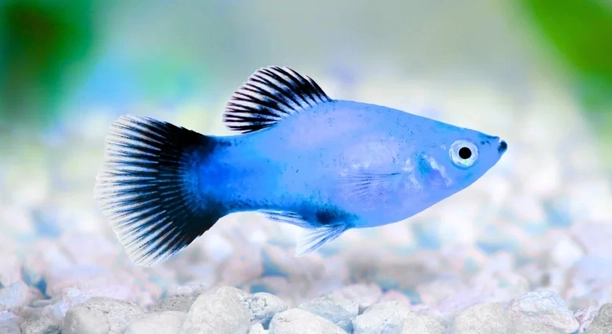
Platies are small, colorful freshwater fish that many people enjoy keeping in their home aquariums. These lively fish often react to changes in their environment, which can include sounds or movements nearby. Understanding how platies sense their surroundings can help create a better habitat for them.
Platies can detect vibrations in the water caused by footsteps or nearby movements. Their lateral line system allows them to sense changes in water pressure and vibrations, helping them respond quickly to potential threats or disturbances in their environment.
Knowing how platies react to vibrations can improve how you care for them and create a calm, comfortable space for these lively fish.
How Platies Sense Vibrations
Platies have a special system called the lateral line that helps them detect vibrations in the water. This system runs along the sides of their bodies and senses changes in water movement. When someone walks near the tank or taps on the glass, those vibrations travel through the water. The platies pick up these signals and often respond by swimming away or becoming more alert. This ability is important for their survival in the wild, as it helps them notice predators or other disturbances. Even in a home aquarium, this sense plays a role in how comfortable they feel. If the tank is in a busy area with lots of foot traffic, the fish might become stressed from constant vibrations. Keeping the tank in a quiet spot can help reduce stress and keep your platies calm and healthy.
Platies rely heavily on their lateral line to detect movements around them and stay safe.
Understanding how vibrations affect your platies can help you create a more peaceful environment. When vibrations increase, platies may hide or behave nervously. Minimizing sudden movements near the tank and avoiding tapping on the glass will make your fish feel more secure. Quiet surroundings let them swim freely without worry, helping them thrive. Small changes in the tank’s location or setup can improve their overall well-being.
Tips to Reduce Stress from Vibrations
Reducing vibrations near your platies’ tank improves their comfort and health.
To help your platies stay relaxed, place the aquarium on a sturdy surface that absorbs some movement, like a thick mat or padded stand. Avoid putting the tank near doorways or areas with heavy foot traffic. If you live in a busy household, try to keep the environment calm around the tank. Regular water changes and proper filtration also reduce stress by keeping the water clean and clear. Observing your fish regularly helps you notice if vibrations or noise disturb them, so you can adjust their surroundings accordingly. Simple steps can make a big difference in creating a peaceful home for your platies.
How Vibrations Affect Platy Behavior
Vibrations from footsteps or tapping can make platies feel uneasy. They may dart quickly or hide behind plants to avoid the disturbance. This reaction is natural and helps them stay safe in an unfamiliar environment.
Platies use their lateral line to detect changes in water movement caused by vibrations. When they sense these disturbances, their instinct is to seek shelter or become alert. In an aquarium, this means they might swim nervously or avoid open spaces. Over time, constant vibrations can lead to stress, which affects their health and activity levels. Keeping the environment stable helps platies stay calm and behave naturally.
When platies experience repeated vibrations, they may show signs of anxiety like reduced appetite or less interaction with other fish. Stress weakens their immune system, making them more prone to illness. To prevent this, ensure their tank is placed in a quiet location away from frequent foot traffic or loud noises. Offering hiding spots like plants or decorations gives them a safe retreat when they feel threatened.
Creating a Calm Aquarium Environment
A peaceful tank environment helps platies feel secure and reduces stress from vibrations. Soft substrates and plants can absorb some vibrations and provide comfort.
To make your aquarium calm, position it on a stable surface that dampens vibrations. Use aquarium mats or pads to reduce movement transfer from floors or furniture. Surround the tank with plants or decorations that break up water movement and offer hiding spots. Limit tapping on the glass and avoid loud noises near the aquarium. If possible, place the tank in a low-traffic room to reduce vibrations from footsteps. These steps help platies feel safe and improve their overall well-being.
Signs Your Platies Are Disturbed by Vibrations
Platies may flick their fins rapidly or swim erratically when they sense strong vibrations. Hiding more often than usual is also a common sign of disturbance.
Increased restlessness or unusual behavior can indicate that your platies are stressed by vibrations. Watch for these signs and consider adjusting the tank’s location or adding more hiding spots to help them feel secure.
Using Plants to Soften Vibrations
Live or artificial plants can help absorb vibrations and provide safe spaces for platies to retreat. This reduces their stress levels and makes the tank feel more natural.
When Vibrations Are Not a Problem
Some platies adapt well to mild vibrations and stay active without stress. Observing their behavior closely helps determine their comfort level.
FAQ
Can platies get used to vibrations over time?
Yes, platies can become accustomed to consistent, low-level vibrations if these disturbances are not too intense or sudden. Over time, they may show less nervous behavior and swim more confidently in the tank. However, sudden or strong vibrations will still cause stress and quick reactions.
How do platies detect vibrations in the water?
Platies use a sensory system called the lateral line, which runs along their sides. This system senses changes in water pressure and movement, allowing them to detect vibrations caused by footsteps, tapping, or other nearby activity.
Are vibrations harmful to platies?
Occasional mild vibrations are not harmful and part of their natural environment. But frequent or strong vibrations can stress platies, affecting their appetite, behavior, and immune system. Prolonged stress may lead to illness or reduced lifespan.
What are common sources of vibrations near an aquarium?
Footsteps on hard floors, tapping on the tank glass, loud noises, and household appliances can all create vibrations that travel through the water. Placing the tank on a stable surface away from these sources helps reduce disturbance.
Can vibrations affect platy breeding?
Yes, constant vibrations and stress can negatively impact breeding behavior. Stressed platies may become less active and show less interest in mating. Creating a calm and stable environment supports healthier breeding conditions.
How can I reduce vibrations in my platy tank?
Use a sturdy stand with a soft mat or padding under the aquarium. Place the tank in a quiet area with less foot traffic. Add plants and decorations to break up water movement and provide hiding spots for the fish.
Is it okay to tap the glass gently to get platies’ attention?
Tapping the glass can create vibrations that stress platies. Even gentle tapping should be avoided, as it may cause unnecessary anxiety and erratic behavior in your fish.
Do all fish react to vibrations the same way?
No, different fish species have varying sensitivity to vibrations. Platies are quite sensitive due to their lateral line, but some other fish may be less reactive or have different coping behaviors.
How can I tell if vibrations are stressing my platies?
Look for signs like darting movements, hiding, loss of appetite, or reduced activity. If your platies seem constantly nervous or show changes in behavior, vibrations could be a contributing factor.
Can vibrations cause platies to jump out of the tank?
Strong or sudden vibrations can startle platies, sometimes causing them to jump. Keeping the tank covered with a lid helps prevent accidental escapes during these moments.
Are artificial plants as good as live plants for reducing vibrations?
Both live and artificial plants can help absorb vibrations and provide shelter. Live plants have the added benefit of improving water quality, but either option supports a calmer environment for platies.
How often should I check my tank’s environment for vibration sources?
Regularly observe your aquarium area for new vibration sources, especially if you notice changes in your platies’ behavior. Adjustments may be needed if you add new appliances or furniture nearby.
Can using a vibration-absorbing pad really make a difference?
Yes, these pads reduce the transfer of vibrations from floors or furniture to the tank. This simple addition can significantly decrease the stress your platies experience from external movements.
Do vibrations affect water quality in the tank?
Vibrations themselves don’t affect water quality directly. However, stressed fish may be more prone to illness, which can make water maintenance more important to keep the tank healthy.
Is it better to place the aquarium on carpet or hardwood floors?
Placing the tank on a carpeted surface can help reduce vibrations from footsteps compared to hard floors. Using a vibration-absorbing mat works well on either surface to provide extra cushioning.
What can I do if my platies continue to act stressed despite reducing vibrations?
If stress continues, check other factors like water parameters, tank mates, and feeding routine. Sometimes multiple issues combine to affect platy behavior. Providing hiding spots and a consistent environment also helps reduce overall stress.
Platies are sensitive fish that respond to changes in their environment, including vibrations. These small fish use their lateral line system to detect movements in the water, which helps them stay aware of potential dangers. Vibrations caused by footsteps, tapping on the tank, or nearby noise can make platies nervous or stressed. Understanding how vibrations affect your fish can help you create a better living space for them. By paying attention to their behavior, you can notice when they feel disturbed and take steps to reduce stress in their aquarium.
Creating a calm and stable environment is important for platies’ well-being. Placing the tank on a sturdy surface with padding can reduce vibrations that travel through furniture or floors. Adding plants and decorations also helps by breaking up water movement and providing places for platies to hide when they feel threatened. Keeping the aquarium in a quiet area with less foot traffic lowers the chance of strong vibrations. These small changes make a big difference in how comfortable and healthy your platies will be over time.
Watching your platies regularly lets you see how they react to their surroundings. If they seem restless or hide often, vibrations or other stress factors might be the cause. Reducing sudden noises and limiting tapping on the glass helps keep them calm. Healthy, happy platies are more active, eat well, and show natural behaviors. Paying attention to these details improves their quality of life and makes your aquarium a more peaceful place. Taking simple steps to manage vibrations supports your fish’s health and creates a better home for them.

Hello,
If you enjoy the content that we create, please consider saying a "Thank You!" by leaving a tip.
Every little bit helps us continue crafting quality advice that supports the health, happiness, and well-being of pets around the world, for pets of all shapes, sizes, and species.
We really appreciate the kindness and support that you show us!