
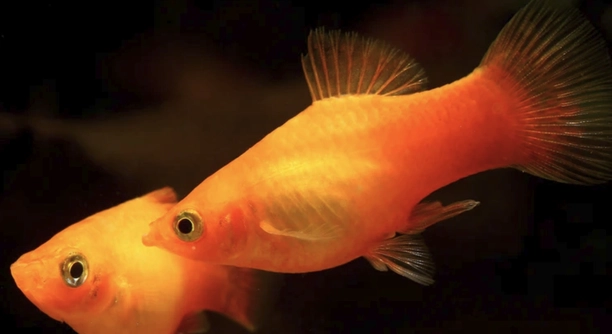
Many aquarium enthusiasts enjoy keeping platies for their vibrant colors and peaceful nature. These small fish often follow daily routines in feeding, swimming, and resting. Understanding if platies can change these habits is important for their care.
Platies do have the ability to alter their routines based on changes in their environment or social interactions. Adaptation can occur with variations in light, feeding schedules, or tank conditions, reflecting their flexible behavior to ensure survival and well-being.
Exploring how platies adjust to new conditions offers insight into their behavior and helps improve aquarium management for healthier fish.
How Platies Develop Their Routine
Platies establish daily routines through consistent environmental cues like light and feeding times. These routines help them feel secure and reduce stress. When feeding occurs at the same time every day, platies begin to anticipate it and swim near the surface, ready to eat. Their activity patterns also align with the aquarium’s light cycle, becoming more active during daylight hours and resting when it’s dark. Social behavior plays a role as well, since platies are schooling fish and often follow the movements of their tank mates. Disruptions to these routines, such as changes in light or feeding schedules, can cause temporary confusion or stress. However, platies are generally adaptable and can form new routines if the environment remains stable over time. Keeping a consistent tank environment supports their health and natural behavior.
Routine helps platies maintain balance in their lives and supports their overall well-being by reducing unexpected stress.
Understanding how these routines form aids in creating a better environment for platies to thrive, promoting healthier and more active fish.
Changing Routines in Response to Environment
Platies adjust their routines mainly due to changes in their environment or social structure. A sudden shift in light timing or food availability forces them to adapt their habits. These fish can become more cautious or active depending on new conditions. Stressful changes, like adding new tank mates or altering water quality, may temporarily disrupt their usual patterns. However, platies typically regain stability by establishing new routines once the environment settles. Regular observation helps identify any stress signals early. Knowing how platies respond to changes allows for timely adjustments to maintain their health.
When environmental factors change, platies often modify feeding and swimming schedules to cope with the new situation.
A stable and predictable environment encourages routine formation, but flexibility in behavior allows platies to survive and thrive through changes. This balance between stability and adaptation is essential for their well-being. By carefully managing tank conditions and monitoring behavior, caretakers can support platies as they adjust. Consistency in care helps fish recover quickly from disruptions, while small, gradual changes are less likely to cause stress. Understanding this balance ensures platies stay healthy and active in their home.
Recognizing Signs of Routine Changes
Platies show clear signs when their routine changes. They might swim less or hide more often. Sometimes they become restless or aggressive. These behaviors indicate they are adjusting or stressed by something in the tank.
Stress from changes can affect feeding habits, making platies eat less or more than usual. Swimming patterns may become irregular, and they may avoid certain tank areas. Watching for these signs helps identify what’s affecting them early. Some routine changes are normal, but sudden or extreme shifts should be addressed to keep platies healthy.
Adjusting their routine might also change social interactions. Platies that once swam together may separate or compete more. These social shifts can show how they are coping with new conditions. Observing these behaviors provides clues to whether their environment supports their needs or causes discomfort.
Helping Platies Adapt to New Routines
Gradual changes in the environment help platies adjust more easily. Sudden alterations in lighting, feeding times, or tank mates can cause stress. Keeping adjustments slow allows platies to form new routines comfortably.
Providing a stable environment with consistent water quality and temperature reduces stress during transitions. It’s important to maintain a regular feeding schedule and avoid overcrowding. This creates a sense of security, encouraging platies to adapt quicker.
Monitoring their behavior during change helps guide further adjustments. If platies continue showing signs of stress, reconsider the changes made. Small, patient steps support their well-being and make routine shifts smoother, promoting healthier fish and a balanced aquarium.
Common Routine Disruptions
Changes in water temperature and quality often disrupt platies’ routines. These factors affect their comfort and health directly.
Adding new tank mates or rearranging the aquarium can also cause temporary stress. Platies may take time to settle into new patterns after such changes.
Impact of Feeding Schedule Changes
Altering feeding times or types of food influences platies’ daily habits. They rely on consistent feeding for energy and comfort. Unexpected shifts can cause confusion and stress, sometimes leading to reduced appetite or overeating. Keeping feeding schedules regular helps maintain stable routines and supports their health.
Importance of Observation
Watching platies closely after any change is essential. Early detection of stress or discomfort allows timely adjustments, preventing long-term issues. Regular observation ensures their environment remains suitable for healthy routines and behavior.
FAQ
Can platies completely change their routine overnight?
Platies rarely change their routine suddenly without reason. They tend to adjust gradually when their environment changes. Sudden shifts may occur if there is a major disruption, such as water quality issues or introduction of aggressive tank mates. Usually, platies need time to adapt, and rapid changes in behavior often signal stress or illness rather than a natural routine change.
How long does it take for platies to adjust to a new routine?
The adjustment period varies but generally takes several days to a couple of weeks. Slow, consistent environmental changes help them settle faster. If changes are abrupt, platies might take longer or show signs of stress. Providing stable water conditions, consistent feeding times, and a peaceful environment encourages smoother adaptation.
What are the most common causes of routine disruption in platies?
Common causes include sudden changes in lighting, feeding schedules, water temperature, and water quality. Adding new tank mates or rearranging decorations can also cause stress and disrupt their habits. These changes affect their sense of security, which is essential for maintaining regular behavior patterns.
Can platies’ social behavior influence their routine?
Yes, platies are social fish and often synchronize activities like swimming and feeding with their group. Changes in group size or introducing new fish can alter social dynamics, causing shifts in individual routines. Sometimes a dominant fish can affect others’ behavior, making some platies more timid or aggressive.
What should I do if my platies stop eating after a routine change?
Loss of appetite is a common stress response. Maintain stable water parameters and return feeding times to their previous schedule. Offer familiar foods and avoid sudden diet changes. If loss of appetite lasts more than a few days, check water quality and watch for signs of illness.
Are platies more active during certain times of the day?
Yes, platies are typically more active during daylight hours and rest when it’s dark. Their routine is tied closely to the aquarium’s light cycle. Consistent lighting helps regulate their daily activity, so sudden changes in light duration or intensity can disrupt their behavior.
Can platies learn to recognize feeding times?
Platies can associate feeding with certain cues, such as light or the presence of a person. They often swim near the surface at expected feeding times. This learned behavior is part of their routine and helps reduce stress by providing predictability.
How can I help platies return to their routine after stress?
Provide a calm, stable environment with regular feeding and light schedules. Avoid overcrowding and keep water parameters within ideal ranges. Patience is important, as platies may take time to regain normal behavior. Regular observation helps you detect any ongoing issues.
Is it normal for platies to change their swimming patterns?
Changes in swimming patterns can occur when platies are adapting to new routines or environmental changes. Occasional shifts are normal, but consistent erratic swimming or hiding may indicate stress or illness. Monitoring these behaviors helps identify when intervention is needed.
Do platies remember their routines if moved to a new tank?
Platies may take time to establish new routines after relocation. While some habits may carry over, the new environment requires them to adapt. Consistency in light, feeding, and water conditions speeds up this adjustment, helping them feel secure in the new tank.
Can routine changes affect platies’ health?
Yes, frequent or extreme changes can cause stress, which weakens their immune system. This increases vulnerability to diseases and affects growth. Keeping routines stable and making gradual adjustments supports their overall health and longevity.
What environmental factors support healthy platy routines?
Stable water temperature, proper filtration, consistent light cycles, and regular feeding schedules all contribute to healthy routines. Providing hiding spots and appropriate tank mates reduces stress, encouraging natural behavior and routine formation.
How do I know if a change in behavior is temporary or serious?
Temporary changes usually last a few days and improve as platies adjust. Serious changes involve prolonged inactivity, loss of appetite, erratic swimming, or physical symptoms like spots or discoloration. If these persist, testing water quality and consulting a specialist is recommended.
Can platies get bored with their routine?
While “boredom” is hard to measure, platies benefit from some environmental enrichment. Rearranging plants or adding new decorations occasionally can stimulate natural exploration without causing stress. Balance is key to keep their routine stable but interesting.
Are platies sensitive to changes in tank noise or vibrations?
Platies can be affected by excessive noise or vibrations, which may disturb their routine. Keeping the aquarium in a quiet area and avoiding sudden loud sounds helps maintain calm and reduces stress, supporting stable routines.
Final Thoughts
Platies are small fish that can adapt their routines when their environment changes. They usually follow patterns for feeding, swimming, and resting that help them feel safe and healthy. When things like light, feeding times, or tank conditions shift, platies may change how they behave to adjust. This ability to adapt is important for their survival. However, sudden or frequent changes can cause stress, which may affect their health. Keeping a steady environment helps platies maintain their routine and stay comfortable in their home.
It is normal for platies to take some time to get used to new routines. Gradual changes are easier for them to handle. When the environment stays stable, platies feel more secure and can establish new habits more quickly. Watching their behavior closely after any change is important. Signs like hiding more, swimming less, or losing appetite may mean they are stressed. In such cases, returning to the previous routine or making smaller adjustments can help. Taking care to provide consistent water quality, temperature, and feeding schedules supports their well-being during transitions.
Supporting platies through changes involves patience and observation. A calm, balanced environment with minimal stress allows them to adjust better. Understanding that routine shifts are natural but need to happen gently makes it easier to care for platies properly. By maintaining steady conditions and monitoring their reactions, platies can thrive and show their natural behaviors. This creates a healthier and more enjoyable aquarium experience.

Hello,
If you enjoy the content that we create, please consider saying a "Thank You!" by leaving a tip.
Every little bit helps us continue crafting quality advice that supports the health, happiness, and well-being of pets around the world, for pets of all shapes, sizes, and species.
We really appreciate the kindness and support that you show us!