
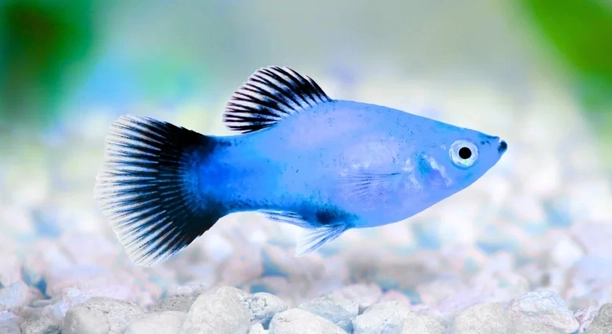
Platies are popular freshwater fish known for their bright colors and peaceful nature. Many fishkeepers notice their platies sometimes look different in color over time. These changes can be subtle or quite noticeable depending on various factors.
Platies can change color due to genetics, environment, diet, and health conditions. Color changes often indicate stress, maturity, or water quality. Understanding these causes helps fishkeepers maintain healthy and vibrant platies in their aquariums.
Recognizing what triggers color shifts can improve how you care for your fish and enhance their well-being in your tank.
Why Do Platies Change Color?
Platies change color for several reasons, mostly linked to their environment and health. When platies are stressed, their colors often fade or become dull. Stress can come from poor water quality, overcrowding, or sudden changes in temperature. As they grow, platies may also develop deeper or more vibrant colors. Diet plays a big role too—fish given a variety of nutritious foods tend to show better color. Genetics determine the range of colors a platy can display, but the conditions in the tank influence how bright those colors appear. If a platy is sick or has parasites, its color may change as a sign of illness. It’s important to watch your fish closely so you can react quickly to any changes and keep their colors bright and healthy.
Color changes in platies usually reflect their overall health and environment quality.
Keeping water clean and providing a balanced diet can help maintain a platy’s natural color.
How to Support Healthy Color in Platies
Color changes can be managed by focusing on the tank environment and diet. Keeping the water parameters stable is key—platies prefer slightly alkaline water with a temperature between 70-80°F. Frequent water changes and good filtration reduce stress. Feeding your platies a varied diet, including high-quality flakes, live or frozen foods, supports vibrant colors. Avoid overcrowding the tank to minimize stress and competition. Providing places to hide, like plants or decorations, helps platies feel secure. Observing your fish regularly will help you spot any early signs of stress or illness. If you notice dull or faded colors, test the water and consider adjusting feeding or tank conditions. With care, your platies will show their best colors, making your aquarium more enjoyable to watch.
Signs Your Platy Is Changing Color
When a platy changes color, it can be subtle or quite obvious. You might notice the fish becoming paler or the colors shifting to a different shade. Sometimes, dark spots or patches appear. These changes often happen slowly but can also be sudden if the fish is stressed or sick. Watching your platy daily helps you catch these signs early.
Color fading is a common response to stress. Stressors include poor water quality, sudden temperature shifts, or aggressive tankmates. A healthy platy usually shows bright, consistent colors. If your fish’s colors dull, test the water for ammonia, nitrites, and nitrates. Also, check for any injuries or disease symptoms. Addressing the cause quickly will often restore their colors.
Maturity can cause color changes as well. Younger platies may have duller colors that brighten as they age. Sometimes, males and females show different hues, especially during breeding. Keep track of your fish’s age and gender to understand normal color variations better.
Effects of Lighting on Platy Colors
Lighting impacts how platy colors appear in your tank. Natural or white LED lights help bring out true colors. Too little light makes colors look dull, while overly bright light may stress fish and cause fading. A balanced light schedule encourages color stability.
Proper lighting can also affect fish behavior, reducing stress and helping them feel secure. Avoid sudden changes in light intensity. Using a timer for consistent day and night cycles supports your platies’ well-being. This also helps you spot color changes more easily during regular observation. Choosing the right lighting setup improves both the look of your aquarium and the health of your fish.
Common Causes of Color Change in Platies
Color changes in platies often happen because of stress, diet, or aging. Poor water quality is a frequent cause that leads to fading colors. Also, illness or parasites can make their colors dull or blotchy.
Feeding a varied diet with carotenoid-rich foods helps maintain bright colors. Aging platies sometimes lose intensity in their color naturally.
How Diet Influences Platy Color
A platy’s diet directly impacts its color vibrancy. Foods rich in carotenoids, like shrimp or spirulina, boost red, orange, and yellow tones. A diet lacking variety may cause colors to fade over time. Feeding high-quality flakes supplemented with occasional live or frozen foods supports healthy coloration. Avoid overfeeding, as poor nutrition can weaken the fish and dull their appearance. Consistent feeding with nutrient-rich foods keeps platies looking their best.
When to Seek Help for Color Changes
If color changes are sudden or accompanied by other symptoms, it’s time to act. Changes combined with lethargy, spots, or loss of appetite often signal illness. In such cases, testing water and consulting an expert or vet can help save your fish.
FAQ
Can platies change color overnight?
Platies usually do not change color overnight unless they are under extreme stress or illness. Most color changes happen gradually over days or weeks. Sudden color shifts can be a sign of poor water quality, injury, or disease. If you notice a quick change, check your tank conditions immediately.
Why is my platy turning pale?
A platy turning pale is often a sign of stress. This can come from overcrowding, poor water parameters, or aggressive tankmates. Illness and lack of proper nutrition also cause fading colors. Improving water quality, reducing stress, and feeding a balanced diet usually restore their colors.
Do platies change color with age?
Yes, platies may change color as they age. Young platies often have duller colors that brighten as they mature. In some cases, older fish may lose some color intensity. This is a natural process and doesn’t always mean the fish is unhealthy.
Can platies change color based on their mood?
Platies don’t change color exactly by mood like some fish species, but stress and excitement can affect their color brightness. When stressed, colors tend to fade. When healthy and calm, their colors appear more vibrant.
Is it normal for male and female platies to have different colors?
Yes, male and female platies often show color differences. Males usually have brighter, more vivid colors to attract females, while females are often plainer. These differences become clearer during breeding times.
What water conditions help maintain platy color?
Stable water conditions are crucial. Platies thrive in slightly alkaline water with a pH of 7.0 to 8.2, temperatures between 70-80°F, and low levels of ammonia and nitrites. Regular water changes and good filtration keep the tank clean and stress-free, helping colors stay vibrant.
How does diet affect platy coloration?
Diet has a big impact on color. Foods high in carotenoids like shrimp flakes, spirulina, and bloodworms enhance reds, oranges, and yellows. A varied diet with live or frozen foods supports overall health and color. Poor or unbalanced diets can dull a platy’s color over time.
Can stress cause permanent color changes?
Stress usually causes temporary color fading. If the stressor is removed and conditions improve, colors return. However, long-term stress or illness can lead to permanent changes or even loss of color. Monitoring your fish and tank conditions helps prevent lasting damage.
Are color changes a sign of illness?
Color changes can indicate illness, especially when combined with other symptoms like spots, clamped fins, or sluggishness. Diseases such as fungal infections or parasites often cause discoloration. Early detection and treatment are essential to prevent serious health problems.
Will platies change color after breeding?
Yes, platies often change color after breeding. Males may show more intense colors during courtship and then fade afterward. Females can become paler while pregnant. These changes are normal and temporary, reflecting their reproductive status.
Can lighting make platies appear different in color?
Lighting greatly affects how platy colors look. Proper aquarium lighting brings out their natural hues. Dim or unnatural lighting can make colors look dull or washed out. Using a balanced light spectrum designed for freshwater tanks helps keep colors vibrant.
How can I encourage my platy to show its best color?
Provide stable water conditions, a varied diet rich in color-enhancing foods, and avoid stress. Regular tank maintenance and a comfortable environment with plants and hiding spots help platies feel secure. Healthy, happy fish naturally display better colors.
Is it normal for platies to develop spots or patches?
Sometimes, spots or patches appear due to injury or mild infections but can also be natural color variations. If the spots change quickly or come with other symptoms, it’s best to test water quality and consider treatment. Healthy platies usually have smooth, even coloration.
Do platies need special supplements for color?
Special color-enhancing supplements exist but are not always necessary if the diet is balanced. High-quality foods with natural pigments are usually enough. Supplements should be used carefully and sparingly to avoid harming fish or polluting the water.
Can platies change color due to genetics?
Yes, genetics play a major role in platy colors. Different strains and breeds have varying natural color ranges. Some platies have the potential for bright, vivid colors, while others may be more muted. Genetics set the foundation, but environment and diet influence how those colors show.
Platies are known for their bright and varied colors, which make them a favorite choice for many aquarists. Over time, these colors can change for many reasons, including the fish’s health, environment, diet, and age. Understanding why platies change color can help you provide the best care and keep them looking their best. Changes in color are often a natural part of a platy’s life cycle, but sometimes they can signal problems that need attention. Watching your fish regularly and maintaining good tank conditions will help you spot any issues early.
A stable environment is key to keeping platies healthy and colorful. Good water quality, proper temperature, and a balanced diet all contribute to their well-being. Stress is one of the main reasons platies lose their vibrant colors, so avoiding overcrowding and aggressive tankmates is important. Providing plants and hiding places can help your fish feel secure and reduce stress. Lighting also affects how colors appear, so a well-lit tank with the right type of light will help show off your platy’s natural hues. Paying attention to these details will make a noticeable difference in your fish’s appearance and health.
In the end, platies changing color is a mix of natural factors and how well they are cared for. Some color shifts are normal as they grow and mature, while others may indicate stress or illness. Being aware of what influences color change lets you take steps to improve your aquarium conditions. With consistent care and observation, your platies can stay healthy and display their best colors for a long time. Taking the time to understand these changes shows that you are a responsible and attentive fishkeeper, which benefits both you and your fish.

Hello,
If you enjoy the content that we create, please consider saying a "Thank You!" by leaving a tip.
Every little bit helps us continue crafting quality advice that supports the health, happiness, and well-being of pets around the world, for pets of all shapes, sizes, and species.
We really appreciate the kindness and support that you show us!