
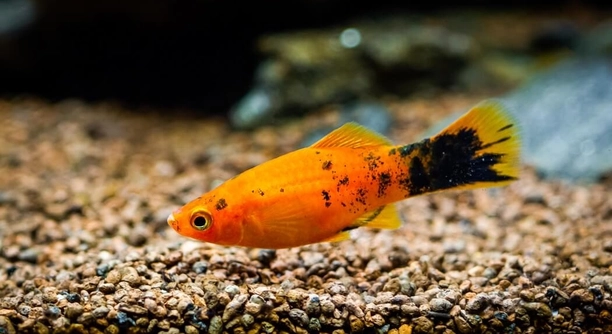
Many aquarium hobbyists enjoy adding live plants to their tanks to enhance the environment for their fish. Platies, being popular freshwater fish, often share their space with a variety of plants. It is natural to consider how new plants might affect the health of these fish.
Platies cannot directly catch illnesses from new plants. However, plants may carry harmful bacteria, parasites, or fungi that could indirectly affect fish health if introduced without proper care. Quarantining and cleaning new plants helps reduce this risk significantly.
Understanding the potential risks associated with adding new plants will help you maintain a healthy aquarium for your platies. This knowledge ensures your fish stay safe while enjoying a natural, vibrant habitat.
How Illnesses Can Enter the Aquarium Through Plants
New plants can sometimes bring unwanted microorganisms into your aquarium. These include bacteria, fungi, or parasites that live on the plant’s surface or roots. When introduced directly into the tank, these microorganisms can multiply and create problems for your fish. Since platies have delicate immune systems, exposure to harmful pathogens may cause stress or illness. The risk increases if the plants come from sources that do not follow good hygiene practices or if the plants were collected from natural bodies of water.
Cleaning new plants before adding them to your tank is important. Rinsing them in clean water or using a mild disinfectant can reduce the number of harmful organisms. Quarantining plants separately before introducing them allows time to observe if any issues develop. These steps help protect your platies from potential health problems linked to new plants.
Regular maintenance and monitoring of your tank’s water quality also play key roles in preventing disease outbreaks. Healthy water conditions support your platies’ immune systems and reduce the chance that illnesses spread.
Preventing Illness Transmission from New Plants
Quarantine new plants for at least one to two weeks in a separate container. This allows time to spot any pests or diseases before adding them to your main tank. Cleaning plants thoroughly by rinsing under running water or soaking in a mild bleach solution (properly diluted) can kill many harmful microorganisms.
It is also helpful to inspect plants closely for visible pests or damage. Removing any decayed or unhealthy parts before placing plants in your tank reduces risks. Maintaining good water quality, regular water changes, and proper filtration will keep your platies strong and healthy. Following these precautions minimizes the chance that new plants will negatively affect your fish’s health.
Signs of Illness from New Plants
Platies affected by illness linked to new plants may show unusual behavior or physical changes. Common signs include lethargy, loss of appetite, faded colors, or visible spots on their bodies. Monitoring your fish closely after adding plants is essential to catch problems early.
Physical symptoms often develop after exposure to pathogens brought in by plants. Spots or lesions can indicate fungal or bacterial infections. Behavioral changes such as hiding or slow movement may signal stress or sickness. These signs should prompt immediate action to isolate the affected fish and check water quality.
Early detection improves the chances of successful treatment. Removing infected plants and improving tank conditions can help your platies recover. Prompt response prevents illness from spreading and keeps the entire aquarium healthy.
Best Practices When Adding New Plants
Always inspect plants thoroughly before adding them to your aquarium. Remove any dead or decaying leaves, as they can contribute to poor water quality and invite disease. Washing plants under running water or soaking in a plant-safe solution is a good way to reduce contamination risks.
Quarantining plants in a separate container for one to two weeks before introducing them to your tank helps reveal hidden pests or infections. This practice minimizes the chance of introducing diseases to your platies. Maintaining stable water parameters and a clean environment further supports fish health. Consistent care and caution with new plants ensure your platies thrive in a safe and natural setting.
Common Sources of Contamination in New Plants
Plants from local ponds or lakes often carry more microorganisms than those from controlled nurseries. Wild plants may harbor parasites or bacteria that thrive in natural environments. Being cautious about the plant’s origin helps reduce risks.
Aquarium stores can also be sources of contamination if plants are not properly cared for. Handling and storage conditions affect plant health and cleanliness. Choosing reputable suppliers is important.
How to Properly Quarantine New Plants
Quarantine new plants in a separate tank or container for 7 to 14 days. This period allows any pests or diseases to become visible before they reach your main aquarium. Check plants daily during quarantine for any signs of damage or infestation.
Treating Plants to Reduce Risks
Soaking plants in a diluted bleach or potassium permanganate solution can kill many harmful organisms. Make sure to rinse plants thoroughly with clean water afterward. Use these treatments carefully to avoid damaging the plants.
Water Quality and Plant Health
Poor water quality can stress plants, making them more susceptible to disease and increasing risks for your fish. Maintaining stable parameters helps keep both plants and platies healthy.
FAQ
Can platies get sick directly from plants?
Platies do not catch diseases directly from plants themselves. However, plants can carry bacteria, fungi, or parasites on their surfaces that might harm fish if introduced into the tank without proper care. It’s important to clean and quarantine new plants to reduce this risk.
How long should I quarantine new plants?
Quarantining new plants for at least one to two weeks is recommended. This allows time to spot any pests, diseases, or decay before placing them into your main aquarium. Observing plants during this period helps prevent unwanted problems.
What is the best way to clean new plants before adding them?
Rinse new plants thoroughly under clean running water to remove dirt and possible pests. Some aquarists use a mild bleach solution or potassium permanganate soak, followed by careful rinsing. These treatments reduce harmful microorganisms while keeping the plants healthy.
Can I use any disinfectant on aquarium plants?
No, only use solutions safe for aquatic plants, such as diluted bleach or potassium permanganate in the right concentration. Harsh chemicals or strong disinfectants can kill the plants or harm your fish once added to the tank.
What signs indicate that a plant might be unhealthy or risky?
Look for decaying leaves, slimy coatings, or visible pests like snails or worms. Damaged or dying parts of the plant are more likely to introduce harmful organisms. Removing unhealthy sections before adding plants helps keep the tank safe.
Is it necessary to quarantine plants if they come from a trusted store?
Even plants from reputable stores can carry unseen pests or diseases. Quarantining is a precaution that adds an extra layer of protection for your aquarium’s health, regardless of the source.
Can poor water quality worsen risks from new plants?
Yes. If your aquarium water has unstable pH, high ammonia, or other imbalances, fish and plants become stressed. This stress makes fish more vulnerable to infections that might come from contaminated plants. Maintaining good water quality is essential.
How do I treat my fish if they show signs of illness after adding plants?
Isolate sick fish immediately and improve tank conditions. Use appropriate medications based on symptoms and consult reliable sources or professionals if unsure. Removing the suspect plants and performing water changes can also help control the problem.
Are there plants that are safer to add than others?
Plants that are farmed or grown specifically for aquariums in controlled environments tend to carry fewer risks. Avoid wild-harvested plants, which are more likely to carry parasites or harmful bacteria.
Can new plants introduce pests like snails or worms?
Yes. Snail eggs and small worms often hide on plants. Careful inspection and quarantine help catch these pests before they spread throughout the tank. Removing visible pests manually is also a good practice.
What is the role of lighting and temperature in plant health?
Proper lighting and temperature are crucial for plant growth and resilience. Healthy plants are less likely to carry diseases. Adjust lighting and temperature according to the plant species to keep them strong and less risky for your fish.
Is it safe to use fertilizers on new plants in an aquarium with platies?
Yes, but only use fertilizers designed for aquarium use, and follow dosage instructions carefully. Overuse can harm fish and plants, causing stress and promoting algae growth. Proper fertilization supports plant health and tank balance.
Can plants help improve the health of my platies?
Healthy plants improve water quality by absorbing nitrates and providing oxygen. They also offer hiding places, reducing fish stress. Good plant care contributes to a safer environment for your platies, lowering illness risks.
What should I do if I notice mold or fungus on new plants?
Remove the affected parts immediately and consider treating the plant with an antifungal solution safe for aquarium use. Fungus can spread quickly and impact both plants and fish, so prompt action is necessary.
How often should I check plants for problems after adding them?
Daily checks during the first weeks after introducing new plants are best. Early detection of pests or disease helps prevent larger outbreaks and protects your platies from illness.
Adding new plants to an aquarium can bring beauty and natural benefits for your platies. However, it is important to take precautions to avoid introducing illnesses or pests. Plants themselves do not directly cause disease, but they can carry bacteria, fungi, or parasites that may harm your fish if not handled properly. By following good practices such as inspecting, cleaning, and quarantining plants before adding them, you greatly reduce the risks. Taking these simple steps helps create a safer environment where your platies can thrive.
Maintaining a healthy aquarium involves more than just adding plants safely. Proper water quality and stable tank conditions are essential for both plant and fish health. Stress caused by poor water conditions weakens your platies’ immune systems, making them more susceptible to infections. Regular water testing, timely water changes, and effective filtration support a balanced ecosystem. When your aquarium is well cared for, both plants and fish are stronger and better able to resist any harmful microorganisms that may appear.
Observing your platies closely after introducing new plants is also important. Watch for changes in behavior, appetite, or appearance that may signal illness. Early detection allows for faster intervention, preventing problems from spreading or worsening. If you notice any signs of trouble, take action by isolating sick fish, treating infections, and removing suspicious plants. With careful attention and ongoing care, you can enjoy a beautiful planted aquarium while keeping your platies healthy and happy for a long time.

Hello,
If you enjoy the content that we create, please consider saying a "Thank You!" by leaving a tip.
Every little bit helps us continue crafting quality advice that supports the health, happiness, and well-being of pets around the world, for pets of all shapes, sizes, and species.
We really appreciate the kindness and support that you show us!