
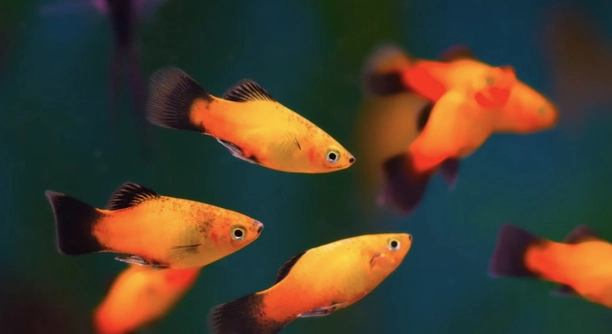
Platies are popular freshwater fish known for their bright colors and peaceful nature. Many hobbyists enjoy keeping them in community tanks. Understanding how to enrich their environment can improve their overall well-being and activity levels.
Platies can benefit from tank puzzles as these stimulate their natural curiosity and encourage mental engagement. Providing interactive elements helps reduce boredom and promotes healthier behavior, contributing positively to their physical and psychological health.
Exploring how tank puzzles impact platies offers useful insights for any aquarist wanting to enhance their fish’s habitat and quality of life.
How Tank Puzzles Work for Platies
Tank puzzles are designed to create challenges and stimulate fish mentally. For platies, these puzzles often include objects like floating toys, mazes, or feeding devices that require interaction. These additions encourage platies to explore their environment more actively instead of swimming passively around the tank. When fish engage with puzzles, it mimics natural behaviors such as foraging or navigating through plants and rocks. This keeps their minds sharp and prevents boredom, which can sometimes lead to stress or unhealthy habits. It is important to choose puzzles that suit the size and temperament of platies, avoiding anything too complicated or overwhelming. Introducing puzzles gradually can help platies adjust without causing frustration. Regular changes in the setup keep the tank environment interesting and dynamic, encouraging ongoing mental stimulation. Ultimately, puzzles can make a tank feel more natural and enjoyable for platies, improving their overall well-being in captivity.
The key benefit of tank puzzles is providing mental exercise. This supports platies’ natural instincts and reduces stress by keeping them engaged.
Using tank puzzles thoughtfully can create a lively tank environment where platies thrive through active exploration and interaction.
Choosing the Right Tank Puzzle
Not every tank puzzle fits every tank. It’s important to pick puzzles based on the size of your tank and the personality of your platies. Small puzzles or gentle feeders work best since platies are small and peaceful fish. Avoid puzzles with sharp edges or complicated mechanisms that might scare or hurt them. Observing how your fish react to new items is essential; if they seem stressed, it’s better to try something simpler. Feeding puzzles that release food slowly encourage natural foraging behaviors without overfeeding. You can also add safe decorations like plants or tunnels to create natural hiding spots and exploration areas. Changing the puzzle setup occasionally keeps the environment fresh and exciting for your platies. Proper care and puzzle choice improve the fish’s quality of life without causing any harm or stress. This approach helps maintain a balanced and stimulating habitat for them.
Introducing Puzzles to Your Platies
Start by placing a simple puzzle in the tank to observe your platies’ reaction. Watch if they show interest or avoid it.
Platies may be cautious at first but usually become curious. Gradually introducing puzzles helps them adapt without stress. If a puzzle is ignored, try changing its position or using a different type. Avoid sudden large changes to the tank environment, which can cause anxiety. Offering small treats near the puzzle can encourage exploration. Patience is key as platies learn to interact with new objects. Regularly switching puzzles keeps their environment engaging and stimulates natural behaviors over time.
Monitor their behavior closely during the first few days. Some platies might take longer to engage, but consistent exposure usually leads to increased activity and interest.
Benefits Beyond Entertainment
Tank puzzles don’t just entertain platies; they improve overall health. Engaging puzzles encourage swimming, which supports muscle strength and cardiovascular health. This mental and physical activity reduces stress, a common cause of illness in captive fish. Puzzles can also help prevent boredom-related problems such as lethargy or aggression toward tank mates. By simulating natural challenges, puzzles improve cognitive functions and responsiveness. This enrichment can make platies more resilient to changes in their environment. Overall, puzzles contribute to a balanced, healthy lifestyle by promoting both mental stimulation and physical exercise regularly.
Common Mistakes with Tank Puzzles
Using puzzles that are too complex can overwhelm platies, causing stress rather than stimulation. Overcrowding the tank with too many objects may limit swimming space and reduce enjoyment.
It’s important to balance puzzle difficulty with your platies’ comfort. Start simple and observe how they respond before adding more challenges. Less is often more in creating a healthy, stimulating environment.
Monitoring Your Platies’ Responses
Keep an eye on how your platies interact with puzzles. Signs of stress include hiding excessively or erratic swimming. Positive signs include curiosity and active exploration. Adjust puzzles based on these behaviors to maintain a healthy balance between challenge and comfort.
Cleaning and Maintenance of Puzzles
Regular cleaning of puzzles is necessary to prevent algae buildup and maintain water quality. Remove puzzles during tank cleaning and rinse them thoroughly with warm water. Avoid harsh chemicals that could harm your fish.
When to Remove Tank Puzzles
If puzzles cause visible stress or aggression, it’s best to remove them. Not all fish respond well to enrichment items. Focus on creating a calm, comfortable tank that meets your platies’ needs first.
FAQ
Can all platies use tank puzzles?
Most platies can benefit from puzzles, but individual personalities vary. Some may be more curious and interactive, while others might prefer a simpler environment. It’s important to observe how your platies respond and adjust puzzles accordingly. Avoid forcing interaction if a fish seems stressed or uninterested.
What types of puzzles are best for platies?
Simple puzzles like floating toys, gentle feeding devices, or small mazes work well. Avoid complicated mechanisms that could harm or frighten them. Natural decorations like tunnels and plants also encourage exploration and serve as mild puzzles.
How often should I change the puzzles?
Changing puzzles every few weeks helps keep platies mentally stimulated. Too frequent changes can cause stress, so allow them time to explore and get used to each setup before swapping. Rotate puzzles slowly to maintain interest.
Can puzzles replace other forms of enrichment?
No, puzzles are one part of a healthy tank environment. Good water quality, proper diet, and social companions remain essential. Puzzles add mental stimulation but do not replace basic care.
Is it safe to use homemade puzzles?
Homemade puzzles can be safe if materials are non-toxic, smooth, and free of sharp edges. Avoid plastics or paints that might leach harmful chemicals. Always rinse thoroughly before placing in the tank.
Do puzzles increase aggression among platies?
Usually, puzzles reduce boredom and aggression by keeping platies occupied. However, if puzzles overcrowd the tank or restrict swimming space, stress and aggression can increase. Ensure plenty of room and observe fish behavior.
How do I know if a puzzle is causing stress?
Signs include hiding more than usual, rapid or erratic swimming, loss of appetite, or color fading. If these occur, remove the puzzle and monitor recovery. Not all platies enjoy puzzles, so it’s important to respect their comfort.
Can tank puzzles help with feeding?
Yes, feeding puzzles slow down eating and encourage natural foraging behavior. This can prevent overeating and keep platies mentally active during feeding times. Use puzzles that release food gradually or require manipulation to access treats.
Are there risks in using puzzles?
Risks include injury from sharp or poorly made items, stress from overly complex puzzles, and reduced swimming space if too many objects are added. Choosing appropriate puzzles and monitoring fish behavior helps minimize risks.
How do I introduce puzzles to a new tank?
Wait until platies settle into the tank, usually a week or two, before adding puzzles. Start with simple, safe items and watch how fish react. Gradually increase complexity as they become comfortable with their environment.
Can puzzles help shy platies become more active?
Yes, puzzles can encourage shy or less active platies to explore their surroundings. Slowly introducing puzzles and pairing them with feeding rewards helps build confidence and activity over time.
Is there a preferred material for tank puzzles?
Safe materials include smooth plastic, silicone, and natural decorations like ceramic or non-toxic wood. Avoid metals that may corrode or toxic substances that can harm water quality and fish health.
How can I make sure puzzles don’t pollute the tank?
Clean puzzles regularly to prevent algae buildup and debris. Remove them during water changes and rinse with warm water only. Avoid chemicals and inspect puzzles often for damage that might release particles.
Do puzzles need to be anchored in the tank?
Some puzzles benefit from being anchored to prevent movement that could frighten fish or damage decorations. Others, like floating toys, are designed to move freely. Choose puzzles that fit your tank setup and fish comfort.
Can tank puzzles improve breeding behavior?
Puzzles may encourage natural behaviors like exploration and foraging, which can support breeding readiness. However, breeding success mainly depends on water conditions, diet, and tank mates.
Are there alternatives to puzzles for mental stimulation?
Alternatives include live plants, varied tank décor, and changing water flow patterns. Interactions with tank mates and feeding variations also provide enrichment alongside puzzles.
This FAQ aims to cover common concerns about tank puzzles for platies, helping you make informed choices that improve your fish’s quality of life without stress or harm.
Tank puzzles can be a helpful way to keep platies active and interested in their environment. These simple challenges encourage fish to explore and use their natural instincts, which can lead to better mental and physical health. When platies have something new to interact with, they tend to swim more and show less signs of boredom. This extra activity supports their muscles and can reduce stress. However, it’s important to remember that puzzles are just one part of a good tank setup. Clean water, proper feeding, and a peaceful community are still the main keys to healthy platies.
Introducing puzzles to a tank should be done carefully and thoughtfully. Start with easy puzzles that are safe and fit well in the tank space. Watching how your platies respond is important. If they seem scared or avoid the puzzles, try something simpler or give them more time to adjust. Not all platies react the same way, so patience is needed. Over time, gradually changing puzzles or adding new ones can keep the environment interesting without overwhelming the fish. Avoid adding too many objects at once, as this can crowd the tank and cause stress. The goal is to make the tank a lively place where platies feel comfortable and curious.
While puzzles offer benefits, they should never replace basic care needs. Platies still need clean water, good food, and proper tank mates to thrive. Puzzles add enrichment but don’t solve problems like poor water quality or illness. Also, some platies may not enjoy puzzles and prefer a simple, calm environment. It’s important to pay attention to their behavior and remove any puzzles that cause stress. When used carefully, puzzles can improve the quality of life for platies by encouraging natural behavior and keeping their minds active. This small change can make a positive difference in how your fish live every day.

Hello,
If you enjoy the content that we create, please consider saying a "Thank You!" by leaving a tip.
Every little bit helps us continue crafting quality advice that supports the health, happiness, and well-being of pets around the world, for pets of all shapes, sizes, and species.
We really appreciate the kindness and support that you show us!