
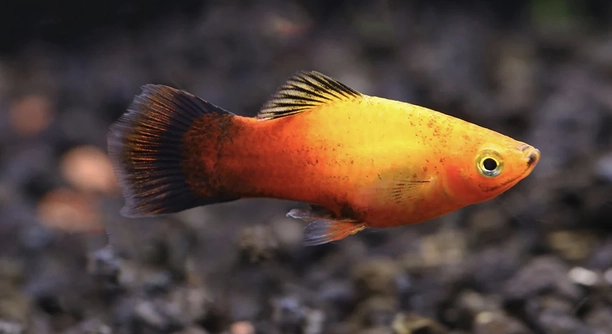
Platies are popular freshwater fish known for their peaceful nature and vibrant colors. Many hobbyists enjoy keeping them in community tanks with other species. Observing their behavior around decorations, such as rocks, often raises questions about territorial tendencies.
Platies can exhibit mild territorial behavior over rocks, especially males during breeding or when establishing dominance. This territoriality is usually limited and less aggressive compared to other fish species, often involving simple displays rather than serious confrontations.
Understanding these behaviors helps ensure a peaceful tank environment and promotes healthy interactions among your aquatic pets.
Understanding Platy Behavior Around Rocks
Platies often use rocks and other decorations in their tanks as part of their environment. These areas provide shelter and places to explore, which helps them feel secure. Males may show more interest in specific spots around rocks, especially during mating season. This behavior is natural as they try to claim small territories to attract females and defend their chosen areas from other males. The level of territoriality is usually low-key, involving chasing or displaying fins rather than aggressive fighting. Female platies tend to be less territorial and more social, often sharing spaces without conflict. Providing enough space and hiding spots reduces tension, keeping the fish calm and healthy. Rocks placed strategically in the tank encourage natural behavior and give fish areas to claim without overcrowding. Observing these behaviors helps maintain a balanced environment for your platies, ensuring their well-being.
Platies’ territorial behavior is mild and usually manageable with proper tank setup and space allocation.
Ensuring a variety of decorations and enough swimming room minimizes aggressive displays, promoting harmony among the fish. Regular tank maintenance and monitoring behavior help address any signs of stress early. When rocks or other decorations become contested, rearranging the tank can diffuse tension. A peaceful environment encourages platies to thrive and display their natural, vibrant personalities.
Managing Territorial Behavior in Community Tanks
Territorial behavior in platies is more noticeable in crowded tanks.
In community tanks, conflicts over rocks or spaces often arise due to limited territory options. Keeping an appropriate number of platies and other fish is important to avoid stress. Providing multiple hiding spots and open swimming areas reduces competition. Careful observation is key to recognizing when behavior shifts from normal to problematic. Sometimes, adding more plants or decorations can help break up line-of-sight and reduce confrontations. Separating overly aggressive individuals may be necessary in rare cases. Maintaining clean water and stable conditions also supports calmer fish. By managing the tank environment thoughtfully, territorial disputes remain minimal, allowing platies to coexist peacefully with other species. This approach ensures a healthy, balanced aquarium where all fish can flourish.
Signs of Territorial Behavior in Platies
Platies show signs like chasing, fin flaring, and guarding certain areas. These actions are usually mild and brief. Watching these behaviors helps identify if a fish feels threatened or dominant. Knowing these signs can prevent conflicts and keep your tank peaceful.
Chasing is the most common territorial sign. Males may swim rapidly after each other to assert dominance. Fin flaring makes them appear larger and more intimidating. Guarding involves staying close to rocks or hiding spots, especially during breeding. These behaviors rarely lead to serious harm but show natural instincts. Female platies are less likely to display such actions, focusing more on social interaction than territory defense.
Recognizing when behavior escalates is important. If chasing becomes constant or aggressive biting occurs, it may be necessary to rearrange the tank or separate fish. Providing ample space and hiding places usually reduces stress and aggression. Understanding these signs keeps your aquarium balanced and your platies comfortable.
Tips to Reduce Territorial Conflicts
Adding plenty of decorations and plants breaks up the space and reduces confrontations. More hiding spots give fish options to retreat and relax.
Ensuring your tank is large enough for the number of fish is crucial. Crowded tanks increase stress and competition over territory. Regular water changes and good filtration support a healthy environment that lowers aggressive behavior. Introducing new fish slowly helps them adjust and reduces stress on current residents. Monitoring fish interactions closely during these changes prevents problems. These steps create a calmer atmosphere, making territorial disputes less frequent and keeping your platies content.
Common Triggers for Territorial Behavior
Limited space often causes platies to become territorial. Rocks or decorations can become focal points for guarding behavior.
Breeding season increases territorial displays, especially among males trying to attract mates or protect fry.
How Tank Setup Affects Behavior
Proper tank arrangement can reduce aggression. Spreading out rocks and plants helps divide territories naturally. Avoid clustering decorations in one area to prevent competition over limited spots. Providing open swimming spaces lets platies escape if needed, lowering stress and territorial disputes.
When to Separate Aggressive Fish
If chasing becomes constant and causes injury, separating the aggressive fish is necessary. This prevents stress and harm to other tank mates.
FAQ
Can platies live peacefully with other fish despite territorial behavior?
Yes, platies generally coexist well with other peaceful fish. Their territorial behavior is mild and usually directed at their own species, especially males. Keeping enough space and hiding spots reduces conflicts. Choosing compatible tank mates like tetras or mollies helps maintain harmony in a community tank.
How can I tell if platy territorial behavior is becoming a problem?
Watch for constant chasing, fin damage, or hiding due to stress. Mild displays like brief chases or fin flaring are normal. Problems arise when aggression is persistent or causes injury. At that point, rearranging the tank or separating fish may be needed to prevent harm.
Do female platies show territorial behavior?
Female platies are less territorial than males. They tend to be more social and tolerant of others. Territorial displays in females are rare and usually only seen if space is very limited or if they are stressed by overcrowding.
What role do rocks play in platy territorial behavior?
Rocks provide shelter and territory markers for platies. Males often claim a rock or area around it during breeding. This helps them attract females and defend their spot. Adequate decoration spread reduces conflicts over rocks by giving fish multiple options.
Will adding more hiding places stop territorial disputes?
Adding hiding places helps reduce stress and territorial disputes by allowing fish to retreat and avoid confrontations. More hiding spots break the tank into smaller, separate areas, which decreases competition and aggressive displays among platies.
How large should a tank be to minimize territorial behavior?
A larger tank with at least 20 gallons for a small group of platies provides enough space to reduce territorial stress. Overcrowding leads to increased competition for space and resources. More room allows natural behaviors without constant conflicts.
Can territorial behavior affect platy health?
Yes, chronic stress from territorial disputes can weaken immune systems, making platies more prone to disease. Injuries from aggression can also lead to infections. Keeping a peaceful environment with enough space and hiding places supports their health.
Is it necessary to separate platies if territorial behavior appears?
Not always. Mild territorial behavior is normal and manageable with proper tank setup. Separation is only needed if aggression causes injuries or prolonged stress. Often, rearranging decorations or reducing fish density resolves issues without removing fish.
Does breeding increase territorial aggression in platies?
Yes, males become more territorial during breeding to protect their chosen areas and compete for females. This behavior is temporary and less aggressive than in some other fish species. After breeding, platies usually return to peaceful behavior.
Can territorial behavior be reduced by changing the tank layout?
Yes, rearranging rocks and plants disrupts established territories and breaks visual lines, reducing aggression. Changing the layout can confuse territorial fish and help reset social hierarchies, leading to a calmer tank environment.
Final Thoughts
Platies are generally peaceful fish, but they can show some territorial behavior, especially around rocks and hiding spots. This behavior is most common in males during breeding or when they want to establish dominance. It is usually mild and involves chasing or fin displays rather than serious fighting. Understanding this helps in managing your aquarium and keeping your fish comfortable. Watching how your platies interact with each other and their environment is important for creating a balanced tank. Proper tank setup with enough space and decorations plays a big role in reducing territorial conflicts.
Creating a good environment for platies means giving them plenty of room and multiple hiding spots. Rocks, plants, and other decorations provide areas for fish to claim and feel safe. When these spaces are limited, platies may become more territorial, leading to stress and aggression. Rearranging the tank or adding more decorations can often reduce these behaviors. Keeping the tank clean and maintaining good water quality also helps keep fish calm and healthy. Managing the number of fish and selecting compatible tank mates contributes to a peaceful community.
If territorial behavior becomes too aggressive or causes injury, it may be necessary to intervene. This can include separating the aggressive fish or adjusting the tank setup. Mild displays of territory are natural and don’t usually need action. However, constant chasing or visible harm requires attention. By observing your platies closely and providing a well-planned tank, you can minimize stress and keep the fish happy. Understanding their behavior helps create a thriving environment where your platies can live peacefully and show their bright colors.

Hello,
If you enjoy the content that we create, please consider saying a "Thank You!" by leaving a tip.
Every little bit helps us continue crafting quality advice that supports the health, happiness, and well-being of pets around the world, for pets of all shapes, sizes, and species.
We really appreciate the kindness and support that you show us!