
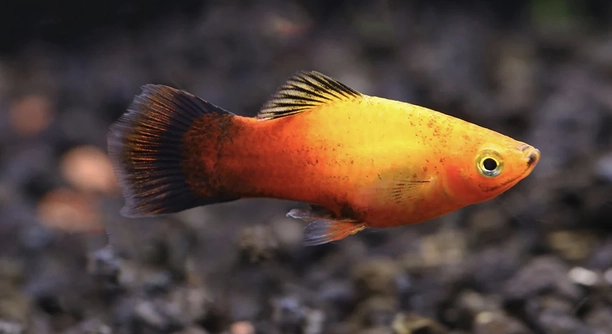
Have you ever stood beside your aquarium and noticed your platy fish responding to your hand movements with curious little swims? These moments often feel like the start of a deeper connection between you and your fish.
Platies can be trained to follow fingers using consistent feeding routines and gentle, repeated movements. While they are not as trainable as some other pets, their natural curiosity allows for basic behavior recognition over time.
There’s more to this simple behavior than meets the eye, and understanding it can help strengthen the bond you share with your platies.
Why Platies Respond to Movement
Platies are naturally curious fish with good vision, which makes them quick to notice changes in their environment. When a hand or finger moves near the tank, they often come closer out of interest. Over time, they may begin to associate that movement with food or interaction. This is why some owners feel like their platies are “following” them. In reality, the fish are responding to repeated patterns. If movement has led to feeding in the past, the fish will begin to expect food. This learned behavior is simple but shows how platies can make associations. Their ability to recognize a person or hand through the glass may vary, but consistency helps. A platy that sees the same movements each day at feeding time can start to connect the dots. It’s not the same as advanced training, but it’s enough to shape basic behavior through repetition.
This behavior isn’t unique to platies, but they tend to react faster due to their active nature and alertness.
With regular feeding and consistent hand movements, some platies can be taught to swim toward a finger or follow it along the glass. This takes time, patience, and a steady routine.
Training Tips That Actually Work
Start by feeding your platies at the same time each day using your finger as a cue.
Move your finger slowly along the outside of the tank before placing food into the water. Over time, the fish will learn to associate your finger with feeding. Keep movements gentle and avoid tapping the glass, as that can stress them. It helps to limit distractions during training and to approach the tank calmly. You can start by moving your finger side to side and watching which fish react. Reward the behavior by feeding them right after. This pattern teaches them that following your finger means food is coming. It may take several days or even weeks to see consistent responses, and not every fish will react the same. Some may follow right away, while others need more time. Using the same finger and movement each time helps them remember. If your platies begin to swim toward your hand regularly, you’ll know the training is working.
Common Mistakes to Avoid
Tapping on the glass or moving too fast can scare platies instead of attracting them. Sudden actions may cause stress and delay any progress you’ve made with training. Consistency and calmness are more effective.
It’s easy to expect fast results, but platies need time to learn new behavior. One common mistake is switching up your training routine too often. Using different fingers, feeding at different times, or training in a noisy space can all confuse your fish. Keep your actions simple and repeatable. If you’re working with more than one fish, know that they may learn at different speeds. Trying to rush the process or expecting all of them to respond equally will only lead to frustration. Another issue is overfeeding. Giving treats too often during training can affect their health. Stick to small portions and only reward when they respond in the right way. Patience really makes a difference.
Another thing to avoid is relying on food alone to get a response. While feeding is a strong motivator, platies also react to movement. Once they begin to follow your finger, try adding variety to the training. Move your finger in short patterns, and see if they mimic the direction. This helps them focus more on your actions than just food. Avoid doing too much too soon—gradual steps work best. If they swim away or lose interest, pause and try again later. Giving them breaks helps prevent stress and keeps their interest high. Keeping their environment stable is also key. Avoid major tank changes while training. When things stay the same, your platies are more likely to trust your movements and stay engaged.
How Long It Usually Takes
Most platies begin to respond within one to two weeks if you stick to a consistent routine. Some may take longer, especially if they’re new to the tank or still adjusting to their environment.
Each fish is different. Even with the same training steps, some may follow quickly, while others show little interest.
What to Do If They Don’t Respond
If your platies aren’t following your finger, try adjusting your approach. Make sure the tank is in a calm area with little outside movement. Train at the same time daily, and use slow, steady motions. Keep feeding right after each training attempt to help them connect your finger to food. If they still don’t respond, check their health and environment. Poor water quality or stress can reduce activity. Use a water test kit to be sure everything is balanced. Also, keep your sessions short. Too much time can cause boredom or confusion. A few focused minutes each day works best.
When to Pause Training
If your platies seem stressed, hide often, or stop eating, it’s best to pause training. Let them settle before trying again.
Can all platies be trained to follow fingers?
Not all platies will respond the same way to finger training. Some are naturally more curious and bold, while others may be shy or stressed, making them less likely to follow a finger. Factors like tank size, environment, and individual personality affect how well a platy can learn this behavior. It’s important to have realistic expectations and understand that some platies may never follow your finger closely, even with consistent effort. However, many will at least show some interest if you use gentle movements and a steady feeding routine.
How often should I train my platies?
Short daily training sessions of five to ten minutes are best. Training too often or for long periods can stress the fish or make them lose interest. The key is consistency rather than length of time. Doing this once a day around feeding time helps platies connect your finger movements to food. Avoid training when the tank is noisy or during busy household activity. Keeping training calm and regular supports better results over time.
Can finger training harm my platies?
When done correctly, finger training does not harm platies. The main risks come from tapping on the glass or making sudden movements that startle the fish. Always move your finger slowly and calmly outside the tank. Avoid pushing fingers into the water as this can stress the fish and disturb the tank environment. If you notice any signs of stress, such as hiding or erratic swimming, pause training and give them time to relax.
What should I do if my platies ignore my finger completely?
If your platies show no interest in your finger after a couple of weeks, review your approach. Make sure you are feeding them right after each training attempt, as food is the main motivator. Try moving your finger more slowly and consistently in front of the tank. Ensure the water is clean, and the tank environment is calm and comfortable. Sometimes, platies just need more time to adjust or are less interested in interaction. It’s okay to accept that some fish may not respond as much.
Can platies recognize their owners?
Platies can recognize movement and sometimes associate a person’s presence with feeding, but they don’t recognize owners like pets such as dogs or cats do. Their recognition is based on repeated patterns and learned behavior rather than emotional connection. They may swim closer when they see your hand near the tank because they expect food, not because they know you personally.
Does the type of food affect training success?
Yes, using a favorite food can improve training success. Platies respond best to small live or frozen foods like brine shrimp or bloodworms, but flakes and pellets also work. Using food that your fish eagerly eat makes it easier to reward them and reinforce the behavior of following your finger. Avoid overfeeding, though, as this can lead to health issues.
Is it necessary to train platies to follow fingers?
Training platies to follow fingers is not necessary for their health or happiness. It is mainly for the enjoyment of owners who want to interact more with their fish. Some owners find this behavior fun and rewarding, while others prefer to watch their platies swim freely. Training can build a basic connection, but platies thrive best in a well-maintained, comfortable tank regardless of interaction.
How can I tell if my platies are stressed during training?
Signs of stress include hiding frequently, rapid or erratic swimming, clamped fins, and loss of appetite. If your platies show these signs during or after training, stop the sessions and check tank conditions. Stress can come from water quality issues, temperature changes, or excessive handling. Giving fish quiet time and stable conditions helps them recover.
Can other fish in the tank affect platy training?
Yes, the behavior of other tank mates can impact training. Aggressive or fast-moving fish might scare platies away from the glass, making them less likely to follow your finger. Also, if multiple fish compete for food, your platies might focus more on feeding than responding to your finger. Consider training in a calm tank environment or isolating platies during sessions if needed.
What is the best way to start finger training with platies?
Begin by feeding your platies at the same time daily using your finger as a cue. Move your finger slowly outside the tank before dropping food in. Repeat this routine consistently. Avoid sudden or tapping movements. Keep sessions short and always reward fish immediately after they respond. Over time, your platies will link your finger’s presence with feeding and begin to follow it more reliably.
Training platies to follow fingers is a simple way to interact with these small, colorful fish. While they are not the easiest fish to train like dogs or cats, platies can learn basic behaviors through patience and routine. Their natural curiosity helps them notice finger movements near the tank, especially when those movements are linked to food. Over time, they may start to swim toward your finger and follow it along the glass. This behavior shows they are responding to familiar patterns, which can be rewarding to observe.
It is important to remember that not all platies will respond the same way. Some fish may take longer to learn, while others might never follow your finger closely. Factors like tank environment, individual personality, and health all play a role in how well they respond. Keeping training sessions short and consistent, using gentle finger movements, and rewarding them immediately after will improve your chances of success. Avoid sudden actions or tapping on the glass, as these can stress the fish and make training harder. If your platies seem uninterested or stressed, give them time to adjust or pause training for a while.
Ultimately, finger training is not essential for platy care but can add a fun element to watching and interacting with your fish. The bond formed by regular interaction can increase your enjoyment of your aquarium and encourage you to pay closer attention to your platies’ behavior and health. Whether or not your fish follow your finger, providing a clean, stable tank with proper food and care will keep them happy and healthy. Training is just one way to engage with your platies, and the most important thing is to enjoy the process without rushing or forcing the fish beyond their comfort.

Hello,
If you enjoy the content that we create, please consider saying a "Thank You!" by leaving a tip.
Every little bit helps us continue crafting quality advice that supports the health, happiness, and well-being of pets around the world, for pets of all shapes, sizes, and species.
We really appreciate the kindness and support that you show us!