
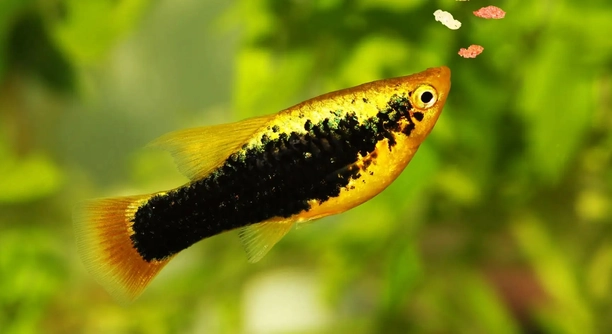
Have you ever noticed your platies acting differently when they’re around other fish in your tank? Sometimes they seem less active or even withdrawn. This behavior can be confusing, especially if you’re used to seeing them swim freely.
Platies can be shy around other fish, especially if they feel threatened or stressed. Factors such as aggressive tank mates, overcrowding, or sudden changes in environment may cause this timid behavior. Proper tank conditions can improve their confidence.
Understanding the root causes behind their shyness helps create a peaceful environment where your platies can feel safe and thrive.
Why Platies Might Act Shy Around Other Fish
Platies are usually active and social, but certain conditions can make them behave in a shy or reserved manner. If they’re new to the tank, they may need time to adjust before feeling comfortable. Aggressive tank mates like barbs or cichlids can also intimidate them, causing them to hide or stay in corners. Overcrowding adds stress, leaving them less room to explore. Sudden changes in lighting, water temperature, or tank layout may also make them uneasy. If there’s too much activity outside the tank, they may react by retreating to hiding spots. Their behavior is a reflection of how safe they feel in their surroundings. Platies need a peaceful, stable environment to thrive. Providing plants and hiding spots gives them the option to retreat when needed. Observation and small adjustments can help reduce their shyness and support their overall health and confidence in a shared tank.
If your platy is hiding often, it may be feeling overwhelmed or insecure.
Give them time, limit loud noises around the tank, and maintain good water quality. These steps help reduce anxiety and create a calmer space for them. Watching how they interact can also reveal if another fish is being too dominant.
Common Tank Conditions That Affect Platy Behavior
Tank mates play a big role in how comfortable your platy feels.
When kept with calm and similarly sized fish like guppies or mollies, platies tend to stay active and confident. But in tanks with aggressive or fast-swimming species, they can withdraw to avoid confrontation. Water quality also impacts their comfort level. High ammonia or nitrate levels, sudden pH shifts, or low oxygen can lead to stress. A stressed platy is more likely to hide and avoid socializing. Lighting and decoration matter too. Bright lights with no plants or hiding spots make them feel exposed. A tank with dense greenery and soft lighting mimics a natural environment where they feel safe. Rearranging décor too often can unsettle them, so keep the layout consistent. If their shyness persists, it could be due to sickness or injury. Always check for signs like clamped fins or loss of appetite. Understanding these factors can help you create a space where your platies feel secure and less timid.
How to Help a Shy Platy Feel More Comfortable
Start by checking for any aggressive fish in the tank. If a tank mate is constantly chasing or nipping, your platy may be hiding out of fear. Separating aggressive species can quickly reduce stress.
Make sure your tank has enough hiding spots like live plants, caves, or decorations. These safe areas let your platy retreat when needed without feeling trapped. Keep lighting soft and avoid placing the tank in high-traffic areas with loud noises. A consistent routine also helps—feeding at the same time and avoiding sudden tank changes will make them feel more secure. Monitor water conditions regularly to ensure ammonia, nitrite, and pH levels are stable. Clean water promotes overall health, which supports better behavior. Watch for any signs of improvement once changes are made—if your platy starts swimming more or comes out more often, it’s a good sign they’re gaining confidence.
Sometimes, a shy platy just needs time. If they’re new to the tank, give them a few days to adjust. Avoid crowding them or overfeeding, and limit the number of changes you make at once. Keeping the environment calm and predictable will allow your platy to slowly come out of hiding. Be patient and observant.
Choosing the Right Tank Mates for Shy Platies
Avoid pairing platies with fish that nip fins or swim aggressively. Good companions include peaceful species like guppies, mollies, tetras, and Corydoras catfish. These fish keep to themselves and don’t compete heavily for space or food, making the tank calmer for your platy.
When choosing tank mates, consider their size and activity level. Fast, dominant fish might take over feeding areas or stress out slower swimmers like platies. Stick to fish that share similar temperaments and environmental needs. Shoaling fish, such as neon tetras, often bring a sense of calm by swimming together peacefully. Avoid housing platies with large or territorial species like angelfish or certain gouramis. Grouping platies with their own kind also helps reduce nervous behavior. They’re more confident when swimming with other platies. Try to keep them in small groups of three or more. A well-balanced tank community keeps stress low and encourages healthy, active behavior.
Signs Your Platy Is Feeling Stressed
If your platy hides often, avoids food, or stays in one spot, it may be feeling overwhelmed. Watch for rapid gill movement, faded colors, or clamped fins—these are common signs of stress in a platy.
Unusual swimming patterns like darting, twitching, or staying near the surface can also indicate discomfort. If the behavior continues, it’s important to check water quality and observe tank dynamics for bullying or overcrowding.
When to Be Concerned About Shy Behavior
If your platy’s shyness doesn’t improve after environmental changes, it may be more than stress. Consistent hiding, loss of appetite, and faded coloring could signal illness or injury. Look for visible signs like white spots, torn fins, or swelling. It’s also possible your platy is being harassed by a tank mate even when you’re not watching. Monitor the tank closely during feeding times or after lights go out. If you suspect illness, isolate the fish in a separate tank for observation. A vet visit or aquarium specialist may help confirm the issue. Early action can prevent further health problems.
How Often to Check on a Shy Platy
Check on them at least twice a day, especially during feeding and cleaning. Noticing small changes early makes it easier to address problems before they get worse.
FAQ
Can platies become shy when introduced to a new tank?
Yes, platies often act shy when placed in a new environment. They need time to adjust to new surroundings, water conditions, and tank mates. This adjustment period varies but usually lasts a few days to a week. During this time, they may hide more and swim less as they get comfortable.
How can I tell if my platy is stressed or sick?
Stress and illness can look similar. Signs include hiding, loss of appetite, faded colors, clamped fins, rapid gill movement, and unusual swimming patterns like darting or staying at the surface. If these symptoms persist, check water quality and tank mates for aggression. If no improvement occurs, illness might be the cause.
What tank mates are best for platies?
Peaceful fish such as guppies, mollies, tetras, and Corydoras catfish make good companions for platies. These species are calm and don’t compete aggressively for food or territory. Avoid aggressive or fin-nipping fish like barbs or large territorial species to reduce stress.
Can overcrowding cause platies to be shy?
Yes, overcrowding limits space and increases competition, making platies feel insecure. When there’s not enough room to swim or hide, shy behavior becomes more common. Aim for an adequately sized tank and keep stocking levels balanced to give each fish enough space.
How important are hiding spots for platies?
Very important. Hiding spots like plants, caves, and decorations give platies a safe space to retreat when feeling threatened. Without these options, they may become stressed and hide in less safe areas. Providing enough cover improves their confidence and reduces shyness.
Does lighting affect platy behavior?
Yes, strong or constant bright lighting can make platies uncomfortable and more likely to hide. Soft lighting with shaded areas creates a more natural environment where they feel secure. Dim lights and places to escape direct light help reduce stress.
Is it normal for platies to hide at night?
Platies are diurnal, meaning they are most active during the day and rest at night. Hiding at night is normal behavior. However, if they hide excessively during the day, it may signal stress, illness, or an unsuitable tank environment.
Can platies become shy because of water quality?
Poor water quality stresses platies and affects their behavior. High ammonia, nitrites, or sudden pH changes cause discomfort and may lead to hiding or lethargy. Regular testing and maintenance, including water changes, keep the tank healthy and support active, confident fish.
How long does it take for a shy platy to become comfortable?
It varies depending on the fish and tank conditions. Most platies adjust within a week if the environment is stable and peaceful. Providing hiding spots, appropriate tank mates, and good water quality helps speed up this process.
What should I do if my platy is constantly hiding?
First, check tank conditions—water quality, temperature, and lighting. Look for aggressive tank mates or overcrowding. Add or rearrange hiding places if needed. Give your platy time to adjust and watch for signs of illness. If hiding persists despite improvements, consult an aquarium specialist.
Can platies be shy around their own kind?
Generally, platies are social and feel more secure in groups of their own species. However, if the group is too large or there’s competition for food, some individuals might act shy. Keeping them in small groups with enough space and food helps reduce this behavior.
Does feeding routine affect platy confidence?
Yes, a consistent feeding schedule helps platies feel secure. Sudden changes in feeding times or overfeeding can stress them. Feeding smaller amounts more frequently and removing uneaten food prevents water quality issues and encourages healthy behavior.
Are there specific signs that mean a platy is happy and comfortable?
Active swimming, bright colors, regular eating, and interacting with tank mates indicate a comfortable platy. They explore the tank and come out of hiding spots regularly. Healthy fins and normal breathing also show good well-being.
Can stress from other fish cause long-term issues for platies?
Yes, prolonged stress weakens the immune system, making platies prone to illness and reducing lifespan. Persistent bullying or overcrowding should be addressed quickly to maintain a healthy, balanced tank.
How can I reduce stress when introducing new fish to the tank?
Quarantine new fish for at least two weeks to avoid spreading disease. Introduce them slowly and rearrange tank decorations beforehand to disrupt established territories. Adding plenty of hiding spots also helps everyone adjust peacefully.
Is it normal for platies to be shy sometimes?
Yes, all fish have varying personalities. Some platies are naturally more reserved and shy. Occasional hiding or cautious behavior is normal, especially in new or busy tanks. The key is ensuring the environment supports their needs and watching for any signs of ongoing stress or illness.
Platies are generally friendly and active fish, but like many animals, they can show shy behavior under certain conditions. This shyness usually happens when they feel stressed, threatened, or uncomfortable in their environment. Factors like new surroundings, aggressive tank mates, overcrowding, or poor water quality can all cause platies to hide or swim less. Understanding these reasons helps in creating a safe and comfortable tank for them. When platies feel secure, they will be more confident, swim actively, and display their bright colors more often. It’s important to observe their behavior regularly to catch any signs of stress early.
Creating a good environment for your platies means providing plenty of hiding spots with plants or decorations. Soft lighting and a calm atmosphere also help reduce stress. Choosing peaceful tank mates that get along well with platies is key to avoiding conflicts. Overcrowding should be avoided because it increases competition for space and food, which can make shy fish even more nervous. Maintaining clean, stable water conditions is just as important. Regular water testing and proper tank maintenance keep ammonia, nitrites, and pH levels in check, which supports your fish’s health and confidence. Making small, thoughtful changes can improve your platy’s comfort significantly.
Patience is necessary when helping a shy platy adjust. It can take days or even weeks for them to feel at ease, especially if they are new to the tank or recovering from stress. Avoid sudden changes and give your platies a consistent routine, including feeding at regular times. Watching them closely during this time helps you notice any changes or problems early. If a platy continues to hide despite good tank conditions, it could indicate illness, which may require further care. Overall, providing a peaceful, well-maintained home encourages platies to be their lively, social selves.

Hello,
If you enjoy the content that we create, please consider saying a "Thank You!" by leaving a tip.
Every little bit helps us continue crafting quality advice that supports the health, happiness, and well-being of pets around the world, for pets of all shapes, sizes, and species.
We really appreciate the kindness and support that you show us!