
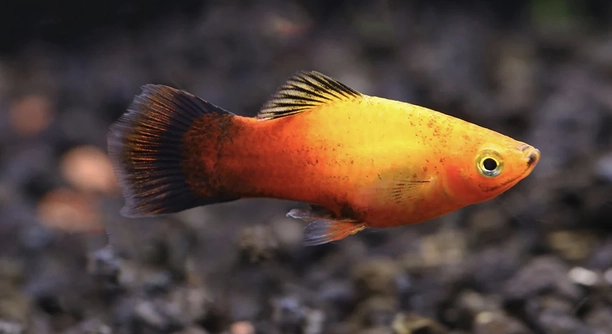
Platies are popular freshwater fish known for their bright colors and peaceful nature. Many fish owners enjoy watching them swim calmly in home aquariums. Understanding their behavior can help create a better environment for these small fish.
Platies can be sensitive to vibrations in their environment. They detect vibrations through sensory organs that help them respond to changes or potential threats. Sudden or strong vibrations may cause stress or alter their normal behavior in the tank.
Knowing how vibrations affect platies is important for keeping them comfortable and healthy. This article explains the ways vibrations influence these fish and offers advice on managing their environment.
How Platies Sense Vibrations
Platies have a lateral line system that runs along their sides. This system helps them detect water movements and vibrations. It’s similar to how other fish sense changes in their environment. When a vibration occurs, the lateral line sends signals to their brain, allowing them to react quickly. This ability is important for survival in the wild, as it helps them avoid predators or find food. In an aquarium, vibrations can come from nearby movements, tapping on the glass, or water pumps. Some vibrations are gentle and go unnoticed, while others may startle platies and cause them to swim nervously or hide. Being aware of how sensitive platies are can help aquarium owners keep their tanks calm and stable.
Vibrations are a natural part of a platy’s life, but strong or frequent disturbances can stress them out. Keeping this in mind can improve their well-being.
Platies are generally peaceful fish, and their sensitivity to vibrations plays a role in their behavior. In a quiet tank with minimal disturbances, platies tend to be more relaxed and active. However, if the aquarium is placed near busy areas or receives frequent tapping, they might become skittish. This can affect their feeding habits and social interactions with other fish. Managing vibrations means placing the tank in a low-traffic spot and avoiding sudden noises or knocks. Gentle water movement from filters is usually fine and can even mimic natural conditions. Finding the right balance helps maintain a healthy and stress-free environment for platies.
Common Sources of Vibrations in the Aquarium
Some vibrations in the tank come from equipment like filters and air pumps. These create small, continuous movements in the water that platies can detect.
Other sources include tapping on the glass or movements nearby. Vibrations from loud noises or heavy foot traffic around the tank can also be felt by the fish. Even placing the aquarium on a shaky surface can cause vibrations. It is important to minimize these to prevent stress. Regular maintenance and choosing quieter equipment help keep vibrations at a healthy level. Proper tank placement away from noisy or busy areas reduces sudden disturbances. Ensuring a stable environment allows platies to thrive without unnecessary stress from vibrations.
Signs That Platies Are Affected by Vibrations
When platies are disturbed by vibrations, they may swim erratically or hide more than usual. These behaviors can indicate stress or discomfort in their environment.
Platies may also become less active or stop eating if vibrations are too strong or frequent. They rely on a calm environment to feel safe, and constant disturbances can cause them to retreat or show signs of anxiety. In some cases, you might notice fin clamping or increased hiding spots as they try to escape the source of vibrations. Observing these signs early helps prevent long-term health issues. Adjusting the tank’s location or reducing noise can make a big difference for stressed platies.
Some platies may also display rapid gill movement when sensing strong vibrations. This is another sign that their environment needs to be calmer for their well-being.
How to Reduce Vibrations in Your Aquarium
Place the aquarium on a sturdy, vibration-absorbing surface to minimize shaking caused by foot traffic or nearby activities. A thick mat or foam pad under the tank can help absorb small vibrations.
Use quieter equipment designed for sensitive fish tanks, like low-noise filters and air pumps. Regularly check that all equipment is secured tightly to prevent rattling or extra movement. Avoid tapping on the glass or banging nearby furniture, as sudden noises easily disturb platies. Position the tank away from heavy foot traffic or loud appliances. Creating a stable environment helps reduce stress for your fish. By managing these factors, you can create a peaceful home for your platies to thrive.
Creating a Calm Environment for Platies
Keeping the aquarium in a quiet area reduces stress from outside vibrations. Soft lighting also helps maintain a peaceful atmosphere.
Adding plants and decorations gives platies places to hide and feel safe. These natural barriers can dampen vibrations and make the tank more comfortable.
Impact of Vibrations on Platy Health
Constant exposure to strong vibrations can weaken a platy’s immune system. Stress makes them more prone to diseases like fin rot or fungal infections. Over time, this can shorten their lifespan and reduce their activity. Minimizing vibrations supports their overall health and keeps them more vibrant and active.
Monitoring Vibrations Regularly
Regularly check your aquarium setup for new sources of vibration. Small changes in your home can affect the tank’s stability.
FAQ
Can vibrations really stress platies that much?
Yes, platies are quite sensitive to vibrations because of their lateral line system. Strong or frequent vibrations can cause stress, leading to changes in behavior such as hiding, erratic swimming, or loss of appetite. Long-term stress may weaken their immune system, making them vulnerable to illnesses. Keeping vibrations low helps maintain their health and comfort.
What are the most common sources of vibrations in a home aquarium?
Common sources include filters, air pumps, tapping on the glass, loud noises nearby, and placing the tank on an unstable surface. Even heavy foot traffic or vibrations from appliances like washing machines can affect the tank. Identifying and minimizing these sources can help reduce stress for platies.
How can I tell if my platies are stressed from vibrations?
Look for unusual behavior such as frantic swimming, hiding for long periods, clamped fins, or loss of appetite. Rapid gill movement and reduced activity are also signs. Stress can sometimes be subtle, so regular observation is important to catch early warning signs.
Is some vibration okay, or should the tank be completely still?
Some gentle water movement from filters or air pumps is normal and even beneficial, as it mimics natural environments. However, sudden or strong vibrations, like banging on the glass or frequent knocking near the tank, should be avoided. The goal is a stable environment with minimal unexpected disturbances.
What can I do to reduce vibrations if I can’t move the aquarium?
Try placing a thick foam or rubber mat under the tank to absorb vibrations. Secure all equipment tightly to prevent rattling, and use quieter filters and pumps if possible. Reducing noise around the tank by avoiding tapping or banging on the glass also helps.
Do all fish react the same way to vibrations as platies?
No, different fish species have varying sensitivities to vibrations. Platies are relatively sensitive due to their natural behavior and lateral line system. Other species may tolerate vibrations better or react differently, so it’s important to research the needs of each type of fish you keep.
Can vibrations cause physical harm to platies?
Vibrations themselves usually don’t cause physical harm but can lead to stress-related health issues over time. Stress weakens their immune system, increasing the chance of infections or diseases. Avoiding strong or constant vibrations supports their physical and mental well-being.
Should I turn off equipment at night to reduce vibrations?
Turning off equipment is generally not recommended because filters and air pumps maintain water quality and oxygen levels. Instead, use quieter equipment designed for sensitive tanks and ensure everything is securely installed. This keeps the environment stable without sacrificing water health.
Will vibrations affect breeding platies?
Yes, vibrations can disturb breeding behavior and may cause adults or fry to become stressed or hide excessively. A calm, stable environment encourages breeding and helps protect fry from unnecessary stress or harm.
How often should I check for vibrations around my aquarium?
Regularly check for new sources of vibrations, especially if you notice behavioral changes in your platies. Weekly inspections of equipment and the tank’s placement can catch issues early. Small adjustments can make a big difference in maintaining a healthy tank environment.
Platies are small fish that thrive best in calm and stable environments. Their sensitivity to vibrations means that even small disturbances can affect their behavior and health. Understanding how vibrations impact them helps aquarium owners provide better care. When platies are exposed to constant or strong vibrations, they can become stressed, which may lead to hiding, erratic swimming, or reduced feeding. These changes are signs that the fish are uncomfortable and need a quieter space to feel safe. Creating a peaceful tank environment supports their natural behavior and overall well-being.
Managing vibrations in an aquarium involves more than just avoiding loud noises. It also means choosing the right location and equipment. Placing the tank on a sturdy surface that absorbs vibrations can prevent shaking caused by footsteps or nearby appliances. Using quiet filters and pumps designed for sensitive fish tanks helps maintain gentle water flow without unnecessary noise. It’s also important to avoid tapping on the glass or moving things around the tank too quickly. Adding plants and decorations can provide natural barriers that soften vibrations and offer hiding spots. All these small adjustments work together to create a more comfortable home for platies.
Regular observation and maintenance are key to keeping platies happy. By watching how they respond to their environment, you can catch signs of stress early. Adjustments like moving the tank to a quieter room or replacing noisy equipment can make a big difference. Vibrations are a part of life in any home, but they don’t have to harm your fish. With careful attention and simple changes, you can reduce vibrations and help your platies live a healthy, peaceful life. A calm aquarium encourages natural behavior, which makes it more enjoyable to watch your platies thrive.

Hello,
If you enjoy the content that we create, please consider saying a "Thank You!" by leaving a tip.
Every little bit helps us continue crafting quality advice that supports the health, happiness, and well-being of pets around the world, for pets of all shapes, sizes, and species.
We really appreciate the kindness and support that you show us!