
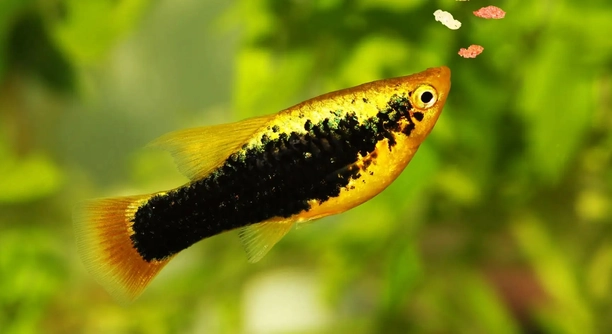
Platies are popular freshwater fish known for their peaceful nature and vibrant colors. They often share community tanks and enjoy swimming actively throughout their environment. Observing their behavior can help keep them healthy and happy in home aquariums.
Platies can be sensitive to excessive movement around their tank, which may cause stress or overstimulation. Rapid or constant disturbances can disrupt their natural behavior, affecting their well-being and sometimes leading to increased hiding or erratic swimming.
Understanding how movement affects platies helps maintain a calm aquarium environment. This knowledge supports better care practices and improves the overall health of these delicate fish.
How Movement Affects Platies in Aquariums
Platies are naturally active swimmers, but their response to movement around the tank varies. Sudden or constant motion, like tapping the glass or frequent shadow passing, can make them nervous. When stressed, they might dart around quickly or hide behind decorations. This reaction is not harmful short-term, but prolonged overstimulation can weaken their immune system. Aquarium lighting and nearby human activity also play a role. A stable environment with minimal disturbances helps platies feel secure. Regular, gentle observation is best to monitor their behavior without causing stress. Adjusting tank placement away from heavy foot traffic or bright direct light can reduce unnecessary movement exposure. Small changes in their environment often lead to calmer fish. This attention supports their natural habits and promotes healthier living conditions. Providing hiding spots offers them refuge during stressful moments and improves their overall comfort. Watching platies adapt to these changes can be rewarding and ensures they thrive.
Maintaining a calm tank environment significantly benefits platies’ health and behavior by minimizing overstimulation.
Careful control of external factors such as tank location and human activity levels is essential. Ensuring the aquarium is placed in a low-traffic area reduces sudden movements and shadows that can disturb platies. Consistent lighting schedules prevent stress caused by abrupt changes in brightness. Decorations and plants create natural hiding places where fish can retreat when feeling overwhelmed. These measures help platies remain relaxed and behave naturally. Over time, fish become less reactive to minor disturbances, improving their quality of life. Watching these improvements reinforces the importance of a thoughtful tank setup. Regular maintenance and observation go hand-in-hand with these environmental considerations, keeping platies comfortable and healthy.
Signs of Overstimulation in Platies
Platies showing overstimulation may display frantic swimming, frequent hiding, or loss of appetite. These behaviors indicate discomfort.
Repeated stress from excessive movement can affect their immune system, making them prone to illness. Monitoring behavior closely helps identify problems early. Adjusting tank conditions reduces stress and promotes recovery. Creating a quiet environment limits sudden disturbances. Over time, fish regain normal activity and feeding habits. These simple actions help maintain a healthy aquarium and protect platies from long-term effects of overstimulation.
Preventing Overstimulation in Platies
Minimizing sudden movements near the tank helps keep platies calm. Avoid tapping the glass or creating shadows. Consistent lighting and quiet surroundings reduce stress.
Providing plants and decorations creates safe spaces where platies can hide and feel secure. A well-planned environment with low external disturbances encourages natural behavior. Positioning the tank away from busy areas limits exposure to frequent movement. Using dimmable lights or timers controls light intensity and duration, preventing abrupt changes. Regular feeding routines also contribute to a stable environment. Small adjustments can significantly improve platies’ comfort and reduce signs of overstimulation. Over time, these changes foster healthier and more relaxed fish.
Careful monitoring of fish reactions helps identify what causes stress. If platies become jumpy or stop eating, consider further reducing disturbances. Sometimes, rearranging decorations to increase hiding spots offers additional comfort. Balancing activity with peaceful moments supports their well-being. These steps are straightforward yet effective in maintaining a calm tank atmosphere.
Creating a Comfortable Aquarium Environment
Stable water conditions play a key role in platies’ comfort. Regular testing ensures appropriate temperature, pH, and cleanliness. Sudden changes add stress and exacerbate overstimulation effects.
Consistent maintenance routines keep water parameters steady. Cleaning filters and performing partial water changes prevent buildup of harmful substances. Maintaining temperature around 74–78°F supports their natural habitat needs. Proper aeration improves oxygen levels, reducing fish anxiety. Monitoring water quality alongside minimizing movement creates a balanced environment. This combination promotes healthy behavior and reduces stress-induced reactions. Paying attention to both physical and environmental factors ensures platies live in comfort.
Handling Sudden Movements Around the Tank
Sudden movements can startle platies and increase stress levels. Minimizing quick motions near the tank helps maintain their calm.
Using a gentle approach when interacting with the aquarium reduces unnecessary disturbances. Slow, deliberate movements prevent startling the fish and encourage a peaceful environment.
Feeding and Its Impact on Behavior
Feeding routines influence platies’ reactions to movement. Regular, predictable feeding times create a sense of security. Platies associate feeding with calm moments, which can reduce their sensitivity to activity outside the tank. Unpredictable feeding or overfeeding may cause excitement, making them more reactive to sudden motions. Offering balanced portions prevents stress linked to hunger or overeating. Maintaining a steady diet supports consistent behavior and lessens overstimulation responses.
Signs of Long-Term Stress
Long-term stress in platies may lead to faded colors and sluggish swimming. Monitoring these signs is essential for early intervention.
FAQ
Can platies really get overstimulated by movement?
Yes, platies can become overstimulated by too much or sudden movement around their tank. This causes stress, which affects their behavior and health. They might swim erratically, hide more, or lose interest in food. Creating a calm environment with limited disturbances helps prevent this.
What types of movement bother platies the most?
Rapid hand motions near the tank, tapping on the glass, shadows from passing people, and loud vibrations are the main causes of stress for platies. These movements trigger a natural fight-or-flight response, making the fish nervous or scared.
How can I reduce movement stress for my platies?
Keep the tank in a quiet spot away from heavy foot traffic or bright sunlight. Avoid tapping on the glass or quick hand movements. Adding plants and decorations provides hiding places where platies feel safe when startled.
Does tank size affect how easily platies get overstimulated?
Yes, smaller tanks may cause platies to feel more confined and vulnerable to disturbances. Larger tanks allow more swimming space and hiding areas, which help fish manage stress better.
Is lighting important for reducing overstimulation?
Consistent and moderate lighting is important. Sudden changes in light intensity can startle platies. Using timers to regulate lighting and avoiding direct sunlight keeps the environment stable and comfortable.
Can overcrowding make platies more sensitive to movement?
Overcrowded tanks increase competition and stress, making platies more reactive to external stimuli. Providing adequate space and maintaining proper stocking levels reduces stress and overstimulation risks.
How does feeding routine impact platies’ response to movement?
Regular feeding at the same time each day creates predictability, which calms platies. Irregular feeding schedules or overfeeding can cause excitement or aggression, increasing their sensitivity to movement around the tank.
What should I do if my platies show signs of overstimulation?
Reduce disturbances by moving the tank to a quieter location, dimming lights, and adding more hiding spots. Monitor water quality and maintain stable conditions to support recovery. If behavior does not improve, consider consulting a specialist.
Can tank decorations help with overstimulation?
Yes, plants, rocks, and other decorations offer places for platies to hide or rest when stressed. These shelters allow them to feel safe and reduce the impact of sudden movements nearby.
How long does it take for platies to calm down after being overstimulated?
This varies depending on the severity of stress and tank conditions. Minor disturbances may only cause brief reactions, while frequent overstimulation could take days or weeks to fully recover if conditions improve.
Are there any signs that mean a platy is too stressed and needs urgent care?
Look for faded colors, constant hiding, loss of appetite, and sluggish swimming. These can signal prolonged stress or illness. Quick action by improving tank conditions or seeking veterinary advice is important to prevent further harm.
Can other fish in the tank affect how platies respond to movement?
Yes, aggressive or overly active tank mates can increase stress for platies. Choosing peaceful companions reduces conflict and overall stress levels, helping platies remain calm even when movement occurs.
Does water quality influence how platies handle overstimulation?
Poor water quality stresses fish and lowers their resilience to external disturbances. Regular testing and maintenance keep water clean and stable, helping platies better tolerate occasional movement near the tank.
Should I interact with my platies frequently or limit contact?
Gentle, infrequent interaction is best. Sudden or frequent tapping and rapid hand movements cause stress. Observing quietly without disturbing the tank allows platies to remain relaxed and healthy.
Is there a way to train platies to tolerate more movement?
Slowly introducing gentle movements near the tank over time can reduce fear responses. However, sudden or excessive motion should always be avoided to prevent stress.
How important is routine in preventing overstimulation?
Very important. Consistent feeding times, lighting schedules, and minimal environmental changes help platies feel secure. A predictable routine reduces anxiety and makes them less reactive to movement.
Can stress from overstimulation lead to illness?
Yes, chronic stress weakens the immune system, making platies more prone to infections and diseases. Preventing overstimulation supports their long-term health and reduces medical issues.
What are some easy daily habits to keep platies calm?
Keep the tank in a low-traffic area, avoid tapping the glass, maintain stable water conditions, and feed on a regular schedule. These simple habits create a peaceful setting where platies thrive.
How can I tell if a platy is just active or truly stressed by movement?
Active swimming is smooth and consistent. Stress-related movement is frantic, erratic, or accompanied by hiding and refusal to eat. Watching for changes in behavior helps distinguish normal activity from stress.
Is it normal for platies to hide sometimes even without overstimulation?
Yes, platies naturally hide to rest or feel safe. Hiding becomes a concern if it is constant or paired with other stress signs like loss of appetite or faded colors.
Final Thoughts
Platies are lively and colorful fish that bring a lot of enjoyment to home aquariums. Like all animals, they respond to their environment and can be affected by factors around them. Movement near their tank, especially sudden or constant activity, can make platies nervous or stressed. Over time, too much stimulation can affect their behavior and health. It is important to create a calm and stable environment to help them feel safe. Small changes, such as placing the tank in a quiet spot and avoiding tapping on the glass, make a big difference. Providing plenty of hiding spaces with plants or decorations also helps platies manage any stress they feel from their surroundings.
Maintaining stable water conditions is just as crucial as controlling external movement. Regular testing and cleaning keep the water healthy and comfortable for platies. Temperature, pH balance, and cleanliness all impact how well they cope with stress. When the water is clean and stable, fish are stronger and less likely to become sick from overstimulation. Feeding routines also play an important role. Regular, consistent feeding reduces anxiety and helps platies feel secure. Watching their behavior daily makes it easier to notice when something is wrong, allowing for quick action. This steady care supports both their physical health and emotional well-being.
Creating a peaceful home for platies means paying attention to many small details. From limiting sudden movements and loud noises to ensuring water quality and providing hiding spots, every step contributes to their comfort. Platies show their mood through behavior, so learning their signals is helpful. When platies swim calmly, eat well, and display bright colors, it is a sign they feel safe and healthy. Taking time to observe and adjust the tank environment will result in happier fish. This careful care strengthens the connection between the keeper and the fish, making the aquarium a pleasant place for both.

Hello,
If you enjoy the content that we create, please consider saying a "Thank You!" by leaving a tip.
Every little bit helps us continue crafting quality advice that supports the health, happiness, and well-being of pets around the world, for pets of all shapes, sizes, and species.
We really appreciate the kindness and support that you show us!