
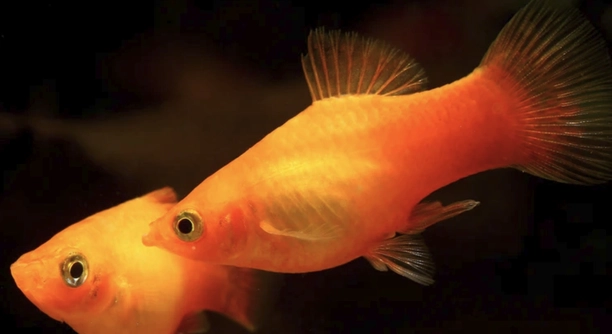
Platies are small, colorful fish often seen in home aquariums. They are known for being peaceful and easy to care for. Because of this, many wonder if they are suitable for school tanks or classroom settings.
Platies can be kept in schools as they adapt well to community tanks, require minimal care, and tolerate various water conditions. Their peaceful nature and hardiness make them an appropriate choice for educational environments.
Knowing how to care for platies properly in a classroom setting can help ensure a healthy and engaging experience for students and teachers alike.
Benefits of Keeping Platies in Schools
Platies are great fish for classrooms because they are hardy and easy to care for. They can live in a range of water conditions, so minor changes in the tank won’t harm them. Their small size means they don’t need a huge tank, which fits well in school spaces. Platies are peaceful and get along with other fish, which helps avoid conflicts in community tanks. Watching these active little fish swim can keep students interested and provide hands-on learning about biology and responsibility. Feeding platies is simple, as they eat common fish flakes or small live foods. The bright colors of platies can brighten up any room and make the tank a nice focal point. Taking care of platies can also teach kids about regular tank maintenance, like cleaning and water changes, which are important skills in fishkeeping.
Platies are a practical and educational choice for classrooms because they require low maintenance and are visually appealing.
Introducing platies to a school tank encourages student involvement and teaches valuable lessons on aquatic life. These fish help make science more engaging and provide a calm, living display that adds life to the learning environment. Knowing their care needs ensures students can take part safely without the tank becoming a burden. By keeping platies, schools foster a connection between students and nature, which is helpful for learning empathy and responsibility. Regular care routines can also develop teamwork skills among students. Overall, platies are an ideal fish for educational settings due to their simplicity and the opportunity they offer to learn about living creatures.
Tank Setup and Care Requirements
The tank for platies in a school should be at least 10 gallons to give them enough space to swim comfortably. Clean water and a good filter are important to keep the environment healthy. The temperature should stay between 70 and 78 degrees Fahrenheit, which is easy to maintain with a basic heater. Lighting can be natural or artificial but should be moderate to avoid stressing the fish. Decorations like plants and hiding spots help platies feel secure and encourage natural behavior.
A well-maintained tank setup is key to keeping platies healthy and active in school settings.
It is important to monitor water quality regularly to prevent the buildup of harmful substances like ammonia and nitrites. Frequent partial water changes help keep the environment stable. Feeding should be done once or twice a day with a small amount of food, ensuring leftovers are removed to avoid pollution. Avoid overstocking the tank to reduce stress and disease risks. Providing a balanced diet with occasional live or frozen food will keep platies in good condition. Setting up the tank properly and maintaining it carefully will help the fish thrive, making the classroom experience rewarding for students and teachers.
Choosing the Right Tankmates for Platies
Platies are peaceful fish and do best with other calm species. Avoid aggressive or very large fish that may stress or harm them. Good tankmates include guppies, mollies, and corydoras catfish. These fish share similar water needs and behavior, making them compatible.
When selecting tankmates for platies in a school setting, it is important to consider their temperament and size. Platies thrive with fish that do not nip fins or compete aggressively for food. Peaceful species that live comfortably in similar water conditions help create a balanced community tank. Additionally, fish that enjoy similar temperatures and diet will reduce care complications. Mixing platies with compatible tankmates provides a more dynamic and interesting tank, enhancing student engagement without risking stress or injury to the fish.
Avoid overcrowding the tank when adding other fish. Each species needs enough space to swim and establish territory. Overcrowding leads to poor water quality and increases stress, which can cause illness. Regular observation of fish behavior can help detect early signs of conflict. Choosing the right mix supports a healthy, peaceful aquarium environment, making it easier for students and teachers to manage.
Common Health Issues and Prevention
Platies are generally hardy but can get diseases like ich, fin rot, or fungal infections. These often happen from poor water quality or stress. Keeping the tank clean and stable helps prevent these problems.
Regular water changes and maintaining proper temperature reduce the risk of health issues. Feeding a balanced diet supports fish immune systems. Quarantining new fish before adding them to the tank can stop diseases from spreading. Monitoring platies for any changes in behavior or appearance allows early treatment. Knowing the common health concerns and prevention steps helps keep platies healthy and the school tank thriving.
Feeding Platies in Schools
Platies eat a variety of foods including flakes, pellets, and small live or frozen treats. Feeding them once or twice a day in small amounts keeps them healthy without overfeeding.
Overfeeding can pollute the tank and harm fish. It’s best to offer just what they can eat in a few minutes.
Teaching Responsibility Through Fish Care
Caring for platies helps students learn about daily responsibility. Feeding, monitoring water quality, and observing fish behavior teaches patience and routine.
Students get hands-on experience with living creatures, which can build empathy and a sense of care. These lessons extend beyond the classroom and into real life.
Cost Considerations
Platies and their care supplies are affordable, making them ideal for schools. The initial setup and ongoing maintenance have low costs compared to other pets or fish.
Tank Size Recommendations
A minimum 10-gallon tank is recommended for platies to ensure enough swimming space and maintain water quality. Smaller tanks can cause stress and health problems.
FAQ
Can platies live with other fish in a school tank?
Yes, platies are peaceful and usually do well with other non-aggressive fish. Ideal tankmates include guppies, mollies, and small catfish. It’s important to avoid large or aggressive species that might stress or harm the platies. Compatibility helps keep the tank peaceful and healthy.
How often should I feed platies in a school tank?
Platies should be fed once or twice daily with small amounts of food. Overfeeding can lead to poor water quality and health issues. Only provide what they can eat in about two to three minutes to prevent leftover food from polluting the tank.
What size tank is best for platies in schools?
A tank of at least 10 gallons is recommended for platies. This size allows them enough space to swim freely and helps maintain stable water conditions. Smaller tanks can quickly become overcrowded and increase stress and illness risks.
How do I keep the water clean for platies?
Regular water changes, about 25% weekly, help keep the water clean. A good filter is also important to remove waste and toxins. Monitoring water parameters like pH, ammonia, and nitrites ensures a healthy environment for the fish.
What temperature should the tank be kept at?
Platies thrive in temperatures between 70 and 78 degrees Fahrenheit. A simple aquarium heater can maintain this range, which is easy to control in most school environments. Stable temperature helps prevent stress and illness.
Can platies get sick easily in school tanks?
Platies are hardy fish but can get common diseases like ich, fin rot, or fungal infections if water quality is poor or if they are stressed. Maintaining clean water and a stable environment reduces these risks significantly.
How do I treat common platy diseases?
If you notice signs like white spots, ragged fins, or unusual behavior, prompt treatment is necessary. Many ailments respond well to aquarium medications available at pet stores. Quarantining sick fish can prevent spreading disease to others in the tank.
Is it necessary to quarantine new fish before adding them to the school tank?
Yes, quarantining new fish for at least two weeks helps prevent the introduction of diseases. This process allows you to observe and treat any health problems before mixing them with the existing fish.
What do platies eat besides flakes?
Platies enjoy a varied diet including frozen or live foods such as brine shrimp, daphnia, and bloodworms. These foods provide extra nutrients and help keep the fish active and healthy.
Can students help with tank maintenance?
Students can assist with feeding, checking water quality, and observing fish behavior under supervision. These activities teach responsibility and provide a hands-on learning experience about animal care and science.
How often should water parameters be tested?
Testing water parameters once a week is a good practice. It helps detect any harmful changes early so you can fix problems before they affect the fish.
Are platies suitable for beginners?
Yes, platies are an excellent choice for beginners because they are hardy, adaptable, and easy to care for. They tolerate a variety of conditions, making them forgiving for those new to fishkeeping.
Can platies breed in a school tank?
Platies breed easily in home tanks. If breeding is not desired, consider keeping only one gender or be prepared to manage fry (baby fish). Breeding can add extra learning opportunities for students about fish life cycles.
How much does it cost to keep platies in a school?
Initial costs include the tank, filter, heater, and decorations, which are usually affordable. Ongoing expenses for food and maintenance are low. This makes platies a budget-friendly option for schools.
What should be done if a platy dies?
Remove the fish promptly to avoid water contamination. Check water quality to ensure no underlying issues caused the death. Review care routines to prevent future problems.
Can platies live without a heater?
Platies prefer stable temperatures but can tolerate room temperature if it stays within their comfort range. In colder climates or fluctuating temperatures, a heater is recommended to avoid stress.
How can students observe platy behavior?
Encourage students to watch feeding habits, interactions with tankmates, and swimming patterns. Noticing changes can help detect illness early and makes learning more interactive.
Is lighting important for platies?
Moderate lighting helps mimic natural conditions and supports live plants if used. Avoid strong or direct light that can stress the fish. A simple aquarium light on a timer works well.
How long do platies typically live?
With proper care, platies usually live around 2 to 3 years. Good tank conditions and diet can help them reach their full lifespan.
Platies are a great choice for school aquariums because they are easy to care for and adapt well to different environments. Their peaceful nature and bright colors make them interesting to watch, which can help keep students engaged. Since platies do not need complicated care, they fit well into busy classroom schedules. Maintaining their tank teaches students about responsibility, routine, and the basics of aquatic life. Having a living tank in the classroom can make lessons feel more real and meaningful, especially when students can see the results of their care efforts each day.
It is important to provide the right tank size, clean water, and proper feeding to keep platies healthy. A tank of at least 10 gallons is recommended to give them enough room to swim and grow. Regular water changes and a good filtration system help keep the environment safe for the fish. Feeding platies a balanced diet once or twice a day prevents overfeeding and pollution of the tank. Choosing peaceful tankmates that share similar water needs will also help avoid stress or aggression. Paying attention to water temperature and quality is key to preventing common diseases and ensuring the fish live long, happy lives.
Keeping platies in a school setting offers many benefits beyond just having fish in a tank. It allows students to observe animal behavior and learn how to care for living things. These lessons can build empathy and responsibility, skills that are useful in many areas of life. Because platies are hardy and affordable, they make a good introduction to fishkeeping for beginners. When cared for properly, platies provide a colorful and active display that adds life to any classroom. Overall, platies can be a valuable part of a school’s educational and community experience.

Hello,
If you enjoy the content that we create, please consider saying a "Thank You!" by leaving a tip.
Every little bit helps us continue crafting quality advice that supports the health, happiness, and well-being of pets around the world, for pets of all shapes, sizes, and species.
We really appreciate the kindness and support that you show us!