
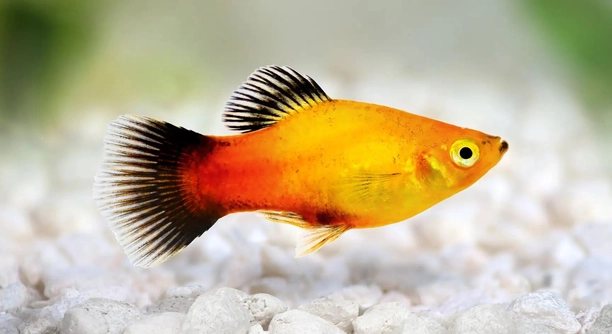
Do you ever find yourself setting up a divided tank and wondering if your platies can thrive in that kind of space?
Platies can be kept in divided tanks as long as each section provides enough space, proper filtration, and stable water conditions. However, long-term success depends on tank size, stocking levels, and the overall setup.
Understanding how divided tanks affect platies can help you create a healthy and low-stress environment for your fish.
Things to Know Before Using a Divider with Platies
Divided tanks can work for platies, but they do come with specific needs. Platies are active fish that enjoy swimming space and social interaction. If you’re going to use a divider, the tank must be large enough to give each section enough room. A small tank split in half can create cramped conditions and poor water quality. Each side should also have its own filtration flow to keep things balanced. Make sure temperature and pH levels stay consistent throughout the tank. Stress from limited space or poor water conditions can lead to health issues or aggressive behavior. If you’re using the divider to separate sexes, be aware that males may still try to reach females. It’s also helpful to add visual barriers like plants to reduce stress. You want to make sure each platy has its own calm, safe area. Good tank planning is key when dividing space.
A divided tank works best when the setup matches the needs of the fish. Platies are hardy, but they still rely on good care.
Some people use dividers to isolate aggressive fish, but this isn’t always the best long-term fix. If one platy is bullying others, it’s often a sign of overcrowding, not just personality. Dividers can help stop fights in the short term, but they shouldn’t be your only solution. It’s better to understand why the behavior is happening and fix it at the source. If you’re using dividers to control breeding, just be aware that female platies can still store sperm from earlier contact. That means you might still see baby fish, even with separation. Proper spacing, gentle tank mates, and thoughtful tank maintenance matter more than any divider. Keep an eye on how your fish react to the setup, and be willing to adjust if needed. Your platies will let you know if something isn’t working.
How to Make a Divided Tank Comfortable
Dividers limit movement, so fish need extra care in smaller spaces. Add plants, hiding spots, and soft lighting to reduce stress.
To make each section feel natural, try placing plants and decorations along the divider. This helps reduce tension between fish and gives them places to rest. Floating plants also work well, especially if they need shade. Each section should have access to a filter outlet and a heater, or at least shared systems that keep the water even throughout. You should test the water regularly to make sure both sides remain stable. When choosing a divider, pick one that allows for water flow but prevents fish from squeezing through. Mesh-style dividers work best for platies. Don’t overcrowd each section—stick to one or two fish per 5 gallons. Watch their behavior after setting things up. If they seem stressed or inactive, you might need to give them more space or adjust the layout.
Common Mistakes to Avoid
One common mistake is using a tank that’s too small. Dividing a small tank can leave fish with very little space to swim, causing stress and poor water quality.
Another mistake is choosing the wrong type of divider. Some allow fish to squeeze through or get stuck, which can cause injury or lead to unwanted breeding. It’s also easy to forget that both sides of the tank need equal care. If one side gets less filtration or heating, it can quickly become unsafe. Decorations, plants, and hiding spots should be placed in both sections, not just one. Fish rely on their surroundings for comfort and security. Not monitoring fish behavior is another issue. You need to check daily to make sure each fish is eating, swimming well, and not showing signs of stress. These small things can make a big difference in keeping your platies healthy and active.
Overstocking either side of the tank is another mistake. Even though platies are small, they still need plenty of room. Putting too many in one section can quickly lead to territorial disputes, dirty water, and illness. Some people add other species to each side without checking compatibility. Not all fish will get along with platies, especially in smaller divided spaces. Water conditions can also shift fast in small areas, so it’s important to do partial water changes more often. Letting maintenance slide even a little can lead to bigger problems later. Keep supplies like test kits and siphons nearby so you’re ready when needed. Try to stick to a regular cleaning schedule, and don’t forget to check filters. When both sides of the tank are clean, balanced, and peaceful, your platies are much more likely to stay healthy and calm.
Best Divider Types for Platies
Mesh dividers with solid frames work best for platies because they keep fish separated while allowing water to move freely between sections.
Plastic mesh dividers are easy to install and let the filter work across the whole tank. Look for one that reaches from the bottom of the tank to just under the lid, so fish can’t swim over or under it. Avoid dividers with large gaps or poor suction, as platies may still find a way through. Some people make custom dividers using plastic canvas and suction cups, which can work well if measured carefully. These DIY options are affordable, but they do require some patience. If the divider shifts or loses suction, it should be fixed quickly. A good divider should stay in place and make each section feel like its own space. Check it often to make sure it hasn’t moved or created small gaps that could cause problems.
Acrylic dividers are also an option, especially if you want to completely block visual contact. This can help reduce stress in aggressive or mating situations. But they don’t allow as much water flow, so you’ll need to be extra careful with water circulation and temperature. You may need to place small filters or air stones on both sides to keep things balanced. If you’re dividing the tank for long-term use, it’s worth investing in something sturdy and reliable. Make sure it fits your tank’s dimensions exactly, especially if you have a rimmed tank or curved corners. Avoid using materials not made for aquariums, like metal mesh or untreated plastics, as they can leach harmful substances. The goal is to create a safe, stable setup where each platy can thrive without interference. Keep things simple, and your fish will benefit.
How Long Can Platies Stay in a Divided Tank?
Platies can live in a divided tank long-term if conditions stay stable. Each section needs enough room, clean water, and the right temperature. Regular care and monitoring are important to keep them healthy and stress-free over time.
If a platy starts showing signs of stress—like hiding, refusing food, or acting aggressive—it might be time to rethink the setup. Long-term success depends on proper space, routine maintenance, and making sure the divider stays secure and clean.
When to Avoid Using a Divider
If your tank is under 10 gallons, a divider usually makes things worse. There’s just not enough space for each fish to swim, hide, and feel comfortable. It’s also best to avoid dividers if your platies are already stressed, recovering from illness, or being kept with incompatible tank mates. In these cases, a separate tank is safer.
Final Thoughts on Dividers
A well-maintained divider can work, but space, balance, and daily care matter more. Watch your fish closely and be ready to adjust if needed.
FAQ
Can platies see each other through a mesh divider?
Yes, platies can usually see each other through mesh dividers. This is fine in many cases, especially if the fish are peaceful. However, if you’re trying to stop aggression or reduce stress, visual barriers like tall plants or solid decorations along the divider can help. Some fish get stressed from constantly seeing other fish they can’t reach, especially if they’re trying to mate or fight. Watch their behavior. If one or both fish seem agitated, it may help to block their line of sight using tall decorations or a partial solid barrier.
Do you need a filter on both sides of the divider?
If your divider allows water to flow freely, one filter might be enough. However, it depends on the tank size and how well the water moves between sections. In larger tanks or setups where the divider limits water flow, you may need a filter or air stone on both sides to keep oxygen and circulation steady. Uneven water flow can lead to temperature differences and waste buildup, which can affect your platies’ health. Make sure water parameters stay the same across the whole tank by testing both sides weekly.
Can baby platies get through the divider?
Yes, baby platies can often fit through small openings in many dividers. If you’re trying to separate adults from fry, use a fine mesh divider or place a breeding box inside the tank. Even if adult fish can’t cross, fry may slip through gaps. For this reason, dividers are not always the best method for raising fry unless you’re using one specifically made for that purpose. A separate fry tank or breeding net is a safer option if you’re trying to protect the babies from adults or manage breeding more carefully.
What size tank is best for using a divider with platies?
A 20-gallon tank is a good minimum for divided setups with platies. When you split it in half, each side still offers enough space for swimming, hiding, and maintaining good water quality. Tanks under 10 gallons usually don’t work well for dividers, especially if you’re keeping more than one fish per side. The more space each fish has, the easier it is to manage aggression, breeding, and stress. Be sure to follow the rule of about one platy per 5 gallons to avoid overcrowding, especially when using a divider.
Can male platies live on one side and females on the other?
Yes, you can separate male and female platies with a divider, but it’s not always foolproof. Males may still try to get through, and females can store sperm from previous contact. If your goal is to prevent breeding, it’s better to house the sexes in completely separate tanks. A divider may slow things down, but it won’t fully prevent fry unless you’re also using other precautions. Always double-check the divider for gaps or loose edges that fish could squeeze through, especially if they’re young or small.
How do you keep the divider clean?
Algae and debris can build up on mesh or plastic dividers. During your regular tank maintenance, gently wipe the divider with an algae pad or soft brush. You don’t need to remove it unless it’s completely clogged or falling apart. Try not to disturb the fish too much while cleaning. Keep an eye on water flow, too—if the divider is too dirty, it can block circulation between sides. A quick check each week during water changes can prevent larger problems later.
Are there signs that the divided setup isn’t working?
Yes, signs include stressed fish, uneven water parameters, one side of the tank getting dirtier faster, or fish constantly trying to cross the divider. You might also see increased hiding, poor appetite, or aggressive behavior. These are signs the fish may feel crowded or unsafe. If that happens, consider rearranging the tank, adding more cover, or removing the divider entirely. Always observe your fish after any changes—they’ll usually tell you through their behavior if the setup is working or not. Small adjustments can often make a big difference.
Final Thoughts
Keeping platies in a divided tank can work well if the setup is done right. These fish are active and social, so each side of the tank must give them enough space to swim, explore, and rest. A divided tank is most helpful for certain situations, like reducing aggression, separating males from females, or isolating a sick fish. But it does come with extra care. The water needs to stay clean and balanced on both sides. Filters, heaters, and decorations should support each section equally. It’s also important to use a proper divider—one that allows water to move freely but doesn’t let fish slip through. Mesh dividers with tight suction and secure edges are usually the best option for platies.
Even if your setup looks fine, it’s important to watch your fish every day. A platy that stops eating, hides all the time, or swims oddly may be stressed or uncomfortable. These signs can mean the divider is creating too much pressure or that the space is too small. You may need to move decorations, reduce the number of fish, or remove the divider completely. A divided tank isn’t a solution for all problems. In some cases, giving your fish a larger single space or using separate tanks is a better choice. Always base your setup on the fish’s behavior and comfort, not just what looks neat or convenient. Platies are hardy, but like any fish, they can get overwhelmed in tight or poorly maintained spaces.
Dividers can be helpful tools when used for the right reasons and with proper care. But they shouldn’t replace regular maintenance or thoughtful tank planning. Before adding a divider, make sure your tank is large enough and that you’re ready to manage each section like its own small tank. Clean the divider often, test both sides of the water, and make changes if your fish seem unhappy. With enough care and attention, divided tanks can give your platies a safe and peaceful home. Just remember that space, water quality, and a calm environment matter more than the divider itself. When all these parts work together, your platies will be much more likely to stay healthy and active.

Hello,
If you enjoy the content that we create, please consider saying a "Thank You!" by leaving a tip.
Every little bit helps us continue crafting quality advice that supports the health, happiness, and well-being of pets around the world, for pets of all shapes, sizes, and species.
We really appreciate the kindness and support that you show us!