
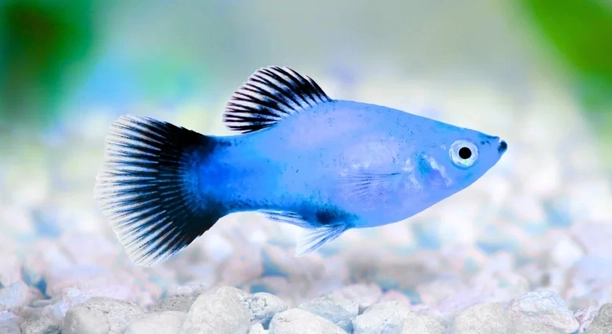
Platies are popular freshwater fish often kept in home aquariums. Many aquarists notice these lively fish around filter areas where water flow and oxygen levels are higher. Their behavior in these spots can sometimes seem curious or intense.
Platies can exhibit territorial behavior over filter areas, especially in smaller tanks or when space is limited. This territoriality helps them secure resources such as oxygen and food particles near the filter, which supports their overall well-being and survival.
Understanding platies’ territorial tendencies around filters can improve tank management and fish harmony. Exploring their behavior helps ensure a balanced environment for these colorful fish.
Why Platies Prefer Filter Areas
Platies are drawn to filter areas because these spots offer better water movement and higher oxygen levels. In an aquarium, the filter creates currents that bring fresh water and help remove waste. This flow is vital for platies, as they breathe through their gills and rely on oxygen-rich water to stay healthy. Additionally, filters often stir up small food particles, making these areas a convenient feeding spot. When space is limited, platies may defend these spots more aggressively to secure their access to food and oxygen. This behavior is natural and helps maintain their health in a controlled environment. Understanding this preference can help aquarists arrange tanks to reduce conflicts by providing multiple areas with good water flow. By ensuring that oxygen and food are available throughout the tank, it’s possible to minimize territorial disputes and keep platies comfortable and active.
Platies’ attraction to filter areas is linked to survival needs such as oxygen and food availability. Their territorial behavior is often a response to competition for these limited resources.
Tank setup plays a crucial role in reducing territorial behavior around filters. Distributing oxygen and food sources evenly encourages platies to spread out, promoting peaceful coexistence. Creating multiple zones with good water flow can prevent fights and stress among fish. Adjusting tank decorations to provide hiding places away from the filter also helps. Aquarists should monitor fish behavior regularly and make changes as needed. A well-planned environment supports healthier, happier platies with less aggression and more natural interaction.
Signs of Territorial Behavior in Platies
Territorial platies often display chasing, fin flaring, and aggressive posturing near the filter. They may repeatedly swim around the area, pushing other fish away. This behavior is usually more visible in smaller tanks or crowded conditions.
Aggression near the filter is a clear sign platies are defending valuable space. It may disrupt tank harmony and cause stress to less dominant fish.
When territorial behavior becomes excessive, it’s important to take action. Increasing tank size or adding more hiding spots can reduce conflicts. Providing extra filtration points or aeration devices helps spread oxygen evenly. Feeding fish in multiple locations ensures food access without competition. Regular water changes maintain good quality, which also lowers stress. Observing fish behavior closely allows early intervention before aggression escalates. Proper care and tank management create a balanced environment where platies can thrive peacefully.
Managing Territorial Behavior
Platies’ territorial behavior can be managed by adjusting tank conditions. Providing ample space and hiding spots reduces competition around filter areas.
Creating a more spacious environment is key. In smaller tanks, platies feel pressured to guard limited resources, increasing aggression. Adding plants, rocks, or decorations gives them places to retreat and reduces stress. Positioning multiple filters or aeration points distributes oxygen evenly, lowering the value of any one spot. Feeding fish in different locations also prevents fights over food near the filter. Regular observation helps identify early signs of territorial disputes, allowing timely adjustments to tank setup or stocking levels. These changes create a calmer, healthier environment for platies.
Consistency in tank maintenance supports managing territorial behavior. Clean water and balanced conditions help reduce stress and aggression. Avoid overcrowding by following recommended stocking levels. Introducing peaceful tank mates can distract platies and lessen tension. Avoid sudden changes in the environment that might trigger defensiveness. With attention and care, territorial behavior can be minimized, improving the overall harmony in your aquarium.
Tank Size and Population Impact
Tank size directly influences how territorial platies behave. Larger tanks provide more space, lowering competition for filter areas.
Overcrowding often leads to increased territorial disputes. When too many fish are confined in a small space, platies become more aggressive defending critical resources. Ensuring the tank is large enough for the number of fish reduces stress and promotes natural behavior. Keeping a balanced population helps maintain peace and health within the aquarium. Adjusting the number of platies or adding compatible species also spreads activity and reduces focus on the filter area. Proper planning of tank size and stocking supports a stable and enjoyable environment for all fish.
Feeding and Territorial Behavior
Feeding location affects platies’ territorial actions. Platies often defend spots near filters because food tends to collect there.
Offering food in multiple areas encourages sharing. This reduces fights and helps weaker fish get their share without stress or competition.
The Role of Tank Decorations
Tank decorations create boundaries that help reduce territorial disputes. Plants, rocks, and caves provide hiding spots and break sightlines between fish, which lowers aggression.
Decorations also mimic natural environments, helping platies feel secure. A well-decorated tank balances territorial instincts and promotes peaceful coexistence.
Monitoring Fish Interaction
Regular observation of fish behavior is essential. Watching how platies interact helps identify early signs of territorial aggression before it escalates.
Spotting problems early allows adjustments in tank conditions or fish numbers, maintaining harmony and preventing injury or stress.
FAQ
Can platies hurt each other when being territorial?
Yes, platies can sometimes cause minor injuries during territorial disputes, especially if space is limited. Nipping at fins and chasing are common behaviors that can stress the fish. While serious harm is rare in a well-maintained tank, prolonged aggression can weaken fish and make them more prone to illness.
How can I tell if my platies are being territorial or just playful?
Territorial behavior usually involves repeated chasing, aggressive posturing, and fin flaring around specific areas like filters. Playful swimming is more random and involves less direct aggression. If fish seem stressed or hide frequently after encounters, territorial disputes are likely.
Does tank size affect platy territorial behavior?
Yes, smaller tanks increase territorial aggression because limited space means competition for resources is higher. Larger tanks allow platies to spread out, reducing conflicts over specific areas like filters or hiding spots.
Are certain platy species more territorial than others?
Some varieties may show more territorial behavior based on temperament, but generally, platies as a species share similar social habits. Individual personality differences can also affect how territorial a platy may act.
Can tank mates influence platies’ territorial behavior?
Yes, aggressive or overly active tank mates can increase stress and territoriality in platies. Peaceful and compatible companions help maintain a calm environment, lowering aggression levels.
What can I do to reduce territorial disputes around the filter?
Adding more hiding spots and decorations breaks line of sight, lowering aggression. Spreading food in multiple places and using several filters or aerators to distribute oxygen evenly also helps reduce competition around one area.
Is it okay to have only one platy to avoid territorial fights?
Platies are social fish that do best in groups. Having just one may cause loneliness or stress. Instead, keeping a small group in a properly sized tank with enough space and resources is a better solution.
How often should I observe my platies for territorial behavior?
Regular observation is important, ideally daily or every few days. Watching how fish interact during feeding and around filter areas helps catch early signs of aggression and lets you make timely adjustments.
Will adding plants help with territorial aggression?
Yes, live or artificial plants create natural barriers and hiding spots. This makes it easier for less dominant platies to avoid conflicts and helps distribute fish more evenly throughout the tank.
Can changes in water quality increase territorial behavior?
Poor water quality stresses fish, which can increase aggression and territorial defense. Keeping water clean with regular maintenance and monitoring parameters reduces stress and helps maintain peaceful behavior.
Should I separate aggressive platies?
If aggression leads to injury or severe stress, temporarily isolating the aggressive individual can be necessary. After calming down, they may be reintroduced with changes to tank setup to prevent further conflict.
Does feeding frequency affect territorial behavior?
Yes, feeding less often or in only one spot can cause platies to guard that location more fiercely. Offering smaller meals multiple times a day in different areas helps reduce this behavior.
Are male platies more territorial than females?
Males tend to be more territorial, especially during breeding times. However, females can also show aggression when defending resources. Balancing the sex ratio and tank conditions can ease conflicts.
How many platies are ideal for a 20-gallon tank?
A group of 5 to 7 platies works well in a 20-gallon tank, providing social interaction without overcrowding. Proper decorations and multiple oxygen sources are recommended to reduce territorial disputes in this space.
Can platies share filter areas peacefully with other fish?
Generally, yes. Peaceful tank mates that don’t compete aggressively for the filter area allow platies to coexist calmly. Overcrowding or aggressive species may increase tension and territorial behavior around filters.
Platies are lively and colorful fish that can show territorial behavior, especially around important spots like filter areas in an aquarium. This behavior is a natural way for them to secure access to resources such as oxygen and food, which tend to gather near filters. Understanding why platies act this way helps aquarists create better tank environments that meet their needs and reduce stress. When space is limited, platies may become more aggressive, but with enough room and good tank design, they can live peacefully together.
Managing territorial behavior involves a few key strategies. Providing a tank that is large enough for the number of platies reduces competition. Adding plants, rocks, and decorations gives fish places to hide and break lines of sight, which lowers aggression. Using multiple filters or aeration points spreads oxygen throughout the tank so no single area becomes highly valuable. Feeding platies in several spots prevents fights over food near the filter. Regularly observing fish behavior helps catch problems early and allows for adjustments before conflicts escalate. Maintaining good water quality and avoiding overcrowding are also important for keeping platies calm and healthy.
Overall, being aware of platies’ territorial instincts and how they relate to tank conditions makes a big difference. Thoughtful tank setup and care create a more comfortable environment where these fish can thrive. While some territorial behavior is normal, it can be managed effectively through space, hiding spots, and even feeding habits. By paying attention to their behavior and making small changes, aquarists can enjoy lively, colorful platies without unnecessary stress or conflict in the aquarium.

Hello,
If you enjoy the content that we create, please consider saying a "Thank You!" by leaving a tip.
Every little bit helps us continue crafting quality advice that supports the health, happiness, and well-being of pets around the world, for pets of all shapes, sizes, and species.
We really appreciate the kindness and support that you show us!