
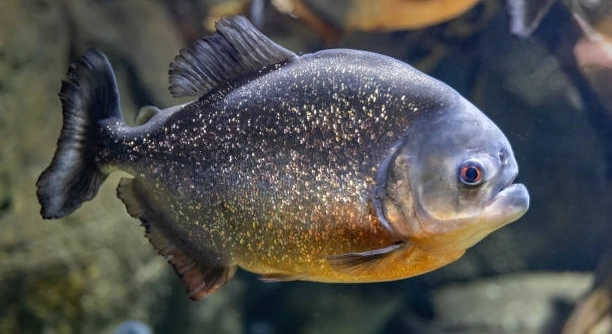
Piranhas are often seen as fierce and unpredictable fish, but many people keep them as pets. These fish live in groups and have unique behaviors that make them interesting to observe. Understanding their interaction with humans can help pet owners feel more connected.
Research shows that piranhas can recognize their owners to some extent. They use visual cues and routine to distinguish familiar people from strangers. This recognition helps reduce stress and encourages calmer behavior around their caretakers.
Knowing how piranhas respond to their owners can improve the care and relationship between fish and people. Exploring this topic sheds light on their surprising intelligence and social nature.
How Piranhas Recognize Their Owners
Piranhas use their keen eyesight to recognize familiar faces, especially those who feed them regularly. Over time, they learn to associate a particular person with food, which makes them less aggressive when that person approaches. This behavior is similar to other fish species that rely on routine and visual cues to identify safe interactions. Their recognition is not as complex as mammals, but it’s enough to show that piranhas can differentiate between strangers and caretakers. When owners interact calmly and consistently, the fish become more comfortable and responsive. This recognition also reduces stress for the piranhas, which is important for their health in captivity. These fish are smart enough to remember who feeds them and may even show excitement when that person comes near. It’s a clear sign they are aware of their environment and the people around them.
Their ability to recognize owners mainly depends on repeated exposure and positive experiences.
Recognizing their caretakers helps piranhas feel secure in their tank. This can improve their behavior and make daily care easier for the owner. Understanding this connection allows people to create a better environment for these often misunderstood fish.
Building Trust with Your Piranhas
Consistency is key when building trust with piranhas. Approaching the tank regularly and feeding them by hand or from the same spot encourages them to see you as a source of food, not a threat. Over time, piranhas become less defensive and more interactive. This trust is not instant; it develops slowly as the fish learn to link your presence with positive outcomes. Gentle movements and calm behavior help reduce their natural wariness. It’s important to avoid sudden actions that might scare them. With patience, piranhas will even follow your movements outside the tank and show signs of recognition. This connection can make caring for them more rewarding and less stressful. Knowing your fish recognize you helps deepen your appreciation for their unique behavior and intelligence.
Signs Your Piranhas Recognize You
When piranhas recognize their owner, they often swim toward the glass or become more active during feeding time. They may also follow your hand movements outside the tank. These behaviors show they expect food and feel less threatened by your presence.
This recognition is a sign of their learning and memory abilities. Piranhas remember who regularly feeds them and start associating that person with safety. Over time, this reduces their natural aggression. You might notice they stop hiding and become curious when you approach. The fish may even seem excited, darting around to get closer. This response is important because it shows a bond forming, making daily care smoother. Understanding these signs helps you know when your piranhas trust you.
Consistent feeding and calm interactions help reinforce this recognition. If your piranhas act more relaxed around you, it means you’re building a good relationship.
How to Strengthen Your Bond with Piranhas
Spending regular time near the tank and feeding at set times helps piranhas learn your routine. Talking softly and moving slowly around the tank encourages them to see you as non-threatening. Avoid sudden movements, which can scare them and break the trust you’ve built.
By keeping interactions predictable, piranhas gain confidence and feel safer. Over weeks, they start to recognize your presence and show less defensive behavior. This process requires patience and calmness but leads to a more enjoyable experience for both of you. The fish may become more interactive, responding to your presence with activity rather than fear. Establishing this bond makes caring for your piranhas less stressful and more rewarding.
Piranhas’ Memory and Learning Abilities
Piranhas have a good memory for recognizing their environment and routine. They remember feeding times and familiar faces, which helps them stay calm around their owners. This memory supports their survival instincts and social behaviors in captivity.
Their learning process is gradual. They respond better with consistent interaction and positive experiences. Over time, they connect specific people to safety and food, reducing stress and aggression.
Common Misconceptions About Piranha Behavior
Many think piranhas are always aggressive, but they can be calm and social when cared for properly. Their reputation comes from wild behavior, which differs from tank life. Understanding this helps improve how we treat them.
Why Consistency Matters
Routine and consistency create a stable environment for piranhas. They thrive when daily care follows the same pattern. This predictability lowers stress and builds trust. Inconsistent feeding or sudden changes can cause anxiety and aggression in these fish. Keeping a steady schedule helps them feel safe.
FAQ
Can piranhas really tell their owners apart from strangers?
Yes, piranhas can distinguish their owners from strangers. They use visual cues and routine to recognize familiar faces. Regular feeding and calm interactions help them associate you with safety and food. This recognition lowers their stress and makes them less aggressive when you approach.
How long does it take for piranhas to recognize their owner?
It usually takes several weeks of consistent feeding and interaction for piranhas to recognize their owner. Patience is important, as sudden changes or infrequent contact may slow the process. Regular routines help build their trust and familiarity.
Do piranhas show affection toward their owners?
Piranhas don’t show affection like mammals do, but their recognition and reduced aggression are signs they feel comfortable around you. They may swim closer, follow your movements, or become more active when you’re near, indicating trust rather than affection.
What can I do to help my piranhas recognize me faster?
Approach the tank calmly and feed them at the same times daily. Avoid sudden movements or loud noises. Consistency in routine helps piranhas link your presence with positive experiences, encouraging faster recognition.
Are piranhas dangerous to their owners?
In captivity, piranhas rarely pose danger to owners if handled properly. They are more defensive than aggressive toward people. Avoid putting your hands in the tank during feeding to reduce risks. Proper care and respect help keep interactions safe.
Can piranhas recognize other pets or family members?
Piranhas can recognize multiple people if they interact regularly. They learn to differentiate between familiar faces and strangers through repeated exposure. Family members who feed and care for them often become familiar to the fish.
Does recognizing their owner improve piranhas’ health?
Yes, when piranhas recognize their owner, they experience less stress, which positively impacts their health. Reduced stress improves immune function and behavior, making them more active and less prone to illness.
What happens if I stop feeding my piranhas regularly?
If feeding becomes irregular, piranhas may become stressed, more aggressive, and less likely to recognize you. Maintaining a consistent feeding schedule is important for their well-being and continued recognition.
Can piranhas recognize their owners through scent?
Piranhas rely mainly on sight rather than smell to recognize people. Visual cues and routine are the primary ways they identify their owners. Scent plays a minimal role compared to other senses.
Do wild piranhas recognize humans?
Wild piranhas are less likely to recognize individual humans because they do not have regular contact or feeding from people. Recognition is mostly seen in captive piranhas with frequent human interaction.
Is it possible to train piranhas?
While not trained like pets such as dogs, piranhas can learn routines and respond to feeding cues. Consistent behavior from owners helps piranhas anticipate food and reduce defensive actions.
How can I tell if my piranhas are stressed?
Signs of stress include hiding often, refusing food, aggressive behavior, or lethargy. Stress can result from poor water quality, irregular feeding, or sudden changes in their environment.
Can piranhas form social bonds with each other?
Piranhas do exhibit social behavior within groups, recognizing each other to some degree. This social structure helps reduce conflicts and maintain order in the tank.
Does lighting affect piranhas’ recognition ability?
Good lighting helps piranhas see and recognize their owners more clearly. Too dim or too bright lighting can stress them or reduce visibility, impacting their ability to recognize people.
What are the best ways to interact safely with piranhas?
Use slow, gentle movements near the tank and avoid putting your hands inside. Feeding with tools rather than by hand reduces risk and helps maintain a positive experience for the fish.
Piranhas are often misunderstood as only fierce and dangerous fish, but they have more complex behavior than many people realize. In captivity, they can recognize their owners through repeated exposure and routine. This recognition is based mostly on visual cues and the connection between the person and food. Over time, piranhas learn to identify their caretakers and respond differently to them compared to strangers. This ability shows that piranhas are not just mindless predators but intelligent creatures that can adapt to their environment and social interactions. Understanding this helps pet owners appreciate their fish beyond the common fear or myths surrounding piranhas.
Building trust with piranhas takes patience and consistency. Regular feeding times and calm, gentle movements near the tank help the fish feel safe and less stressed. When piranhas recognize their owners, they often show signs like swimming toward the glass, becoming more active, or following hand movements. These behaviors indicate they associate their owners with positive experiences like food and care. Creating this bond not only makes taking care of piranhas easier but also improves their overall health. Stress is a big factor in fish well-being, so reducing fear through recognition benefits the fish’s immune system and behavior.
In summary, piranhas are capable of recognizing the people who care for them, but this recognition is not instant—it grows with time and regular interaction. Owners who remain patient and consistent can build a stronger connection with their fish, resulting in calmer and more interactive pets. This understanding helps change the way we view piranhas, highlighting their intelligence and social nature instead of just their aggressive reputation. By learning how piranhas respond to their owners, we can provide better care and enjoy a more rewarding experience with these fascinating fish.

Hello,
If you enjoy the content that we create, please consider saying a "Thank You!" by leaving a tip.
Every little bit helps us continue crafting quality advice that supports the health, happiness, and well-being of pets around the world, for pets of all shapes, sizes, and species.
We really appreciate the kindness and support that you show us!