
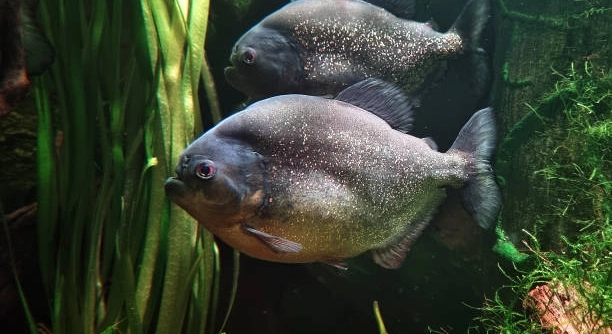
Have you ever set up a fish tank and wondered if your piranhas really need that heater to stay healthy and active?
Piranhas cannot thrive long-term without a heater in most home aquariums. As tropical fish, they require stable warm water temperatures to support proper digestion, immune function, and overall well-being. Inconsistent temperatures can lead to stress and illness.
Understanding temperature needs will help you create a safe and steady environment where your piranhas can live comfortably and grow strong.
Why Piranhas Need Warm Water
Piranhas are tropical fish that naturally live in warm river systems, where the water rarely drops below 75°F. When kept in aquariums, they rely on heaters to mimic those conditions. Without stable warm temperatures, their metabolism slows down, and they can become sluggish or stop eating altogether. This makes them more vulnerable to diseases and can shorten their lifespan. Cold water also weakens their immune systems, leading to more frequent infections. A heater helps maintain a constant temperature, ideally between 76°F and 82°F. This range supports healthy digestion, active behavior, and balanced biological processes. Using a reliable aquarium heater is a simple but essential step to keep them comfortable.
Piranhas depend on heat to regulate their body functions. Without it, their overall health declines quickly.
If the water gets too cold, it can trigger stress in your piranhas. Stress impacts their mood, appetite, and general activity levels. Over time, cold temperatures can create a harsh environment for them. Keeping a heater in your tank ensures that their daily needs are met without constant monitoring. Many heaters now come with thermostats, making it easier to maintain a steady setting. Even small drops in temperature during the night or colder months can harm them. So, choosing the right heater is one of the most important steps in setting up a proper home for your piranhas.
What Happens Without a Heater
Cold water slows down your piranhas’ movement and makes them less active. They may stop eating or start hiding more often.
Long-term exposure to temperatures below their ideal range can lead to chronic stress and health problems in piranhas. They may develop fungal or bacterial infections due to a weakened immune system. Over time, these issues become harder to treat, especially if the cold conditions continue. Without a heater, fluctuations in room temperature can make things worse. Sudden drops during winter nights or cool weather can shock the fish and even cause death in severe cases. Heaters are especially useful if your tank is placed near windows or in rooms that don’t stay warm. Even if your home feels comfortable to you, it’s likely still too cold for your piranhas. Investing in a good heater gives them the stable, warm water they need to live well and stay strong year-round.
How to Choose the Right Heater
Look for a heater that matches your tank size and can maintain a steady temperature between 76°F and 82°F. A submersible heater with a built-in thermostat is a reliable choice and keeps things simple.
For smaller tanks, a 100-watt heater usually works well. If you have a larger tank over 50 gallons, consider using two heaters on opposite sides. This helps distribute heat evenly and prevents cold spots. Choose a model with an automatic shut-off feature to avoid overheating. Also, make sure to place the heater near a water flow source, like a filter outlet, to help spread the warmth throughout the tank. Adjustable heaters are better since they give you more control. Always use a thermometer to double-check the temperature, especially during colder months. Even the best heaters can drift slightly, so it’s important to monitor it often.
Avoid placing your tank in direct sunlight or near drafty areas. External conditions can affect the heater’s performance and lead to unstable temperatures. If your room gets very cold, consider adding insulation around the tank or using a heater with a higher wattage rating. Some piranha keepers even use heater guards to prevent damage or accidents, especially with more aggressive fish. Keeping your heater well-positioned and properly sized makes a big difference in your piranhas’ health and behavior.
Signs Your Piranha Is Too Cold
If your piranha becomes sluggish, refuses food, or stays at the bottom of the tank, it may be reacting to cold water. These signs usually appear quickly when the temperature drops.
Cold water affects their energy levels and behavior. If the temperature stays low for too long, your piranha might develop white patches on the skin or fins, which can be signs of a fungal infection. You might also notice slower breathing or unusual swimming patterns. These changes are often related to stress and poor circulation. If ignored, cold stress can weaken their immune system and lead to death. That’s why it’s important to take action as soon as you notice something off. Checking your tank’s temperature regularly is a good habit. If you see these signs, warm the water slowly—never make a sudden jump in temperature. A gradual increase helps them adjust without added stress.
Do All Piranhas Need the Same Temperature?
Most piranhas kept in home aquariums, like red-bellied piranhas, prefer water temperatures between 76°F and 82°F. This range keeps them active and healthy. Although there are different species, most do best within this consistent warm range.
Wild piranhas may experience slight changes in temperature, but these shifts happen gradually. In a tank, sudden drops or cold drafts can shock the fish. That’s why steady warmth is key for all piranha types. Keeping them in their preferred range helps avoid stress and illness.
What to Do During a Power Outage
If your power goes out, wrap the tank with blankets or towels to keep the heat in. Avoid opening the lid too often, as that lets warm air escape. You can also float sealed bags of warm water inside the tank to raise the temperature slowly. Battery-powered air pumps are helpful too.
How Often Should You Check the Heater?
Check your heater and thermometer daily. This helps you catch problems before they affect your piranhas’ health.
FAQ
Can piranhas survive in room temperature water?
Piranhas can sometimes survive for a short period in room temperature water, but this is not ideal for their health. Most homes have temperatures that fluctuate and often fall below the warm range piranhas need. Over time, cooler water slows their metabolism and can cause stress, making them prone to illness and lethargy. For long-term care, maintaining water temperature between 76°F and 82°F is essential.
What happens if the heater breaks?
If the heater fails, the tank water temperature can drop quickly, especially in cooler rooms or during colder seasons. This sudden change can shock your piranhas, causing stress or even death if not addressed promptly. It’s important to have a backup plan, like a spare heater or insulating your tank temporarily. Regular heater maintenance and testing can help avoid surprises.
Is it safe to use multiple heaters in one tank?
Yes, using multiple heaters in larger tanks is often recommended. This helps keep the temperature even throughout the aquarium and reduces the risk of overheating in one spot. Place the heaters on opposite sides of the tank to spread heat evenly. Make sure both heaters have thermostats, so they don’t conflict and cause temperature swings.
Can piranhas live in unheated tanks during summer?
In very warm climates, room or outdoor temperatures might sometimes stay within the suitable range for piranhas. However, unheated tanks still risk temperature fluctuations, especially at night. Sudden changes can cause stress. A heater with a thermostat helps keep temperatures steady even when it seems warm enough during the day.
How do I know if my heater is working correctly?
Regularly check the heater’s indicator light and monitor the tank temperature with a separate thermometer. If the temperature drops or rises unexpectedly, the heater might be malfunctioning. Also, listen for unusual noises or watch for signs of damage. Replace or repair faulty heaters immediately to protect your piranhas.
Can I use a heater without a thermostat?
It’s not recommended. Heaters without thermostats can overheat the tank or fail to maintain a stable temperature. A built-in thermostat automatically adjusts the heat output to keep the water within the desired range, preventing dangerous temperature swings that could harm your fish.
What is the best heater type for piranha tanks?
Submersible heaters with built-in thermostats are generally the best choice. They are easy to install, provide consistent heat, and can be placed near the water flow for even temperature distribution. Avoid hang-on-back heaters, as they can be less reliable in maintaining stable temperatures in tropical fish tanks.
How often should I clean my heater?
Clean your heater every few weeks or when you notice buildup from algae or minerals. Use a soft cloth or sponge to gently wipe the surface. Avoid using harsh chemicals or abrasive materials, as these can damage the heater’s coating and affect its performance. Regular cleaning helps maintain heat efficiency.
Are there risks to overheating the tank?
Yes, overheating can be as dangerous as cold water. High temperatures reduce oxygen levels in the water and can cause stress or death to your piranhas. Always use a heater with a thermostat and monitor the temperature regularly to avoid overheating.
Can a heater cause electric shock in the aquarium?
Modern aquarium heaters are designed with safety features to prevent electrical hazards. However, damaged cords or faulty equipment can pose risks. Always unplug heaters before maintenance and inspect cords regularly. Using a heater guard can also provide extra protection for both your fish and yourself.
Is it necessary to adjust the heater during seasonal changes?
Yes, seasonal changes can affect room temperatures, requiring you to adjust the heater’s thermostat. During colder months, you might need to raise the temperature slightly, while in warmer months, you may lower it to prevent overheating. Monitor the tank temperature often and adjust accordingly.
Can piranhas survive in water that’s too hot?
No, water that is too hot—above 82°F—can cause oxygen depletion and stress your piranhas. They may become lethargic or show signs of heat stress. It’s important to keep the temperature within their comfortable range to ensure good health.
What should I do if my piranha gets sick due to cold stress?
First, raise the tank temperature slowly to the proper range. Avoid sudden changes that can worsen stress. Treat any infections or illnesses with appropriate medication. Keep the tank clean and maintain stable water conditions. Consult a vet or aquatic specialist if symptoms persist.
How long can piranhas survive without a heater in ideal conditions?
In a consistently warm environment, piranhas might survive for days or even weeks without a heater. However, this is risky, as even small temperature drops can cause health issues. For best care, a heater is always recommended to provide steady warmth.
Can using a heater save piranhas in colder climates?
Yes, using a heater is essential if you live in colder areas. It prevents harmful temperature drops and keeps your piranhas active and healthy year-round. Proper heating replicates their natural environment more closely, supporting their well-being.
What is the best way to introduce a heater to an established tank?
Place the heater in the tank with the power off and let it adjust to the water temperature for about 15 minutes. Then, plug it in and set it to the desired temperature. Monitor the temperature closely for the first few days to avoid sudden changes.
Can a heater affect water quality?
A heater itself doesn’t change water quality, but improper placement or malfunction can cause hot or cold spots that stress fish. Stress can lead to poor immune response and make your piranhas more prone to infections, which affects water quality indirectly.
Should I use a heater with a timer?
Using a timer isn’t necessary since piranhas need consistent warmth 24/7. Turning a heater off at night or during certain hours risks temperature drops, which can cause stress and illness. It’s better to keep a heater running continuously with a thermostat to maintain stability.
Final Thoughts
Keeping piranhas healthy means paying close attention to their environment, especially water temperature. These fish are native to warm tropical waters, so maintaining a stable and appropriate temperature is important for their well-being. While it might seem possible to keep piranhas without a heater in some cases, doing so risks their health over time. Fluctuating or low temperatures can cause stress, weaken their immune system, and lead to illness. A heater helps provide a steady environment that mimics their natural habitat, making it easier for them to thrive in a home aquarium.
Choosing the right heater and maintaining it properly is key. Submersible heaters with built-in thermostats are the safest and most reliable option. They help keep water temperature within the ideal range, usually between 76°F and 82°F, which suits most piranha species. It’s important to monitor the temperature regularly with a separate thermometer to ensure the heater is working correctly. Having a backup plan, such as a spare heater or insulation for the tank, can also help during power outages or heater failures. This kind of preparation prevents sudden temperature drops that can harm your fish.
Overall, a consistent warm environment is essential for the long-term health of piranhas in captivity. While these fish are hardy in the wild, the controlled conditions of a tank require careful management of water temperature. Paying attention to this detail helps avoid unnecessary stress and disease. If you want your piranhas to live a full and healthy life, investing in a reliable heater and keeping the temperature stable should be a priority. This ensures your fish remain active, healthy, and comfortable in their home aquarium.

Hello,
If you enjoy the content that we create, please consider saying a "Thank You!" by leaving a tip.
Every little bit helps us continue crafting quality advice that supports the health, happiness, and well-being of pets around the world, for pets of all shapes, sizes, and species.
We really appreciate the kindness and support that you show us!