
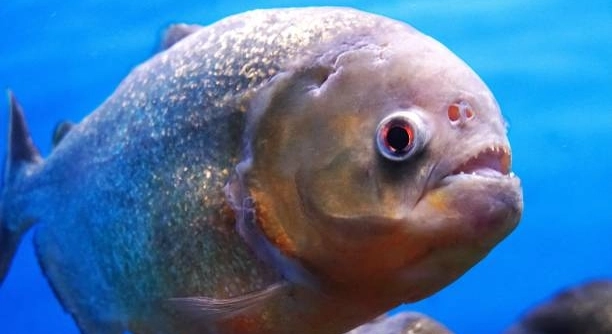
Many aquarium enthusiasts enjoy keeping unique fish that stand out. Piranhas are one such choice because of their interesting behavior and appearance. Understanding how they live helps hobbyists create better tank environments.
Piranhas can live in planted tanks, but careful consideration is needed. They require ample swimming space, stable water conditions, and certain plants that can withstand their activity. Choosing hardy plants and maintaining proper care ensures a balanced habitat for these fish.
Knowing which plants work and how to set up the tank properly can improve piranha health and tank longevity. This guide will cover practical tips and advice for keeping piranhas in planted tanks.
Understanding Piranhas’ Natural Habitat
Piranhas are native to South American rivers, where their environment is rich with dense vegetation and plenty of hiding spots. The water in these areas tends to be warm, slightly acidic, and well-oxygenated. In the wild, piranhas often stay near plants and submerged roots to avoid predators and to ambush prey. This natural setting provides both shelter and a sense of security. When recreating a planted tank, it is important to mimic these conditions as closely as possible. Not all plants will survive in a piranha tank, since these fish can be quite active and sometimes aggressive. Strong-rooted and hardy plants like Amazon swords or Java ferns tend to do better. Additionally, the water temperature should be kept around 75–80°F, and the pH slightly acidic to neutral. Proper filtration and regular water changes are also essential to maintain a healthy environment.
Piranhas rely on plants for cover and stress reduction. Without plants, they may become aggressive or anxious.
Keeping the tank environment close to their natural habitat helps piranhas feel secure and behave naturally. Using tough plants that withstand movement and occasional nibbling ensures the tank remains stable. In addition, creating areas with open swimming space and dense planted zones gives the fish places to explore and rest. This balance supports both their physical and mental health. Finally, monitoring water quality and temperature consistently will protect the plants and the fish, promoting a thriving planted tank setup.
Best Plants for Piranha Tanks
Hardy plants with strong roots work best in piranha tanks because these fish can disturb delicate species. Amazon swords, Java ferns, and Anubias are popular choices since they tolerate a range of water conditions and resist damage from fish activity. These plants also grow well in low to medium light, which suits the typical piranha tank setup. Avoid delicate plants like hornwort or floating species that can be uprooted easily.
Amazon swords, with their broad leaves and sturdy roots, provide good cover and hideouts. Java ferns attach to rocks or driftwood and don’t require planting in the substrate, making them harder for piranhas to disturb. Anubias also attach to surfaces and have thick leaves that are less likely to be eaten or torn apart. Incorporating a mix of these plants creates varied shelter options and enhances the tank’s natural look. Keeping plants healthy through proper lighting, fertilization, and water care helps maintain this balance. Remember, a strong and diverse plant setup benefits both your piranhas and the overall aquarium ecosystem.
Tank Setup Tips for Piranhas
A spacious tank is essential for piranhas because they need room to swim and establish territories. A minimum of 40 gallons is recommended for one or two fish.
Filtration must be strong enough to handle waste, as piranhas produce a lot. Use a filter that provides good water flow but avoid currents that are too strong, which may stress the fish. Substrate should be smooth to prevent injury since piranhas are active swimmers. Adding rocks and driftwood creates natural hiding places, helping reduce aggression.
Lighting should be moderate, not too bright, to mimic their natural river environment. Keep water temperature steady between 75–80°F and test water parameters regularly. Regular water changes are key to preventing buildup of harmful substances. This setup will help your piranhas thrive in a planted tank.
Feeding and Tank Mates
Piranhas are mostly carnivorous and prefer a diet of fresh or frozen meat like fish, shrimp, or worms. Feeding small amounts once or twice daily keeps them healthy. Avoid overfeeding to maintain water quality.
Choosing tank mates is tricky since piranhas can be aggressive. Small or slow-moving fish are not suitable, as they may become targets. Larger, fast-swimming species like certain catfish or large cichlids might coexist peacefully but only in very large tanks. Generally, it is safer to keep piranhas in a species-only tank to prevent stress and fighting. Providing enough space and hiding spots reduces aggression, but close monitoring is always necessary when considering tank mates.
Common Challenges with Piranhas in Planted Tanks
Piranhas can uproot or damage plants while swimming or exploring. Their sharp teeth sometimes nibble on leaves, especially softer species.
Maintaining water quality is another challenge since piranhas produce a lot of waste. Frequent water changes and strong filtration help keep the tank clean and plants healthy.
Managing Aggression in Piranha Tanks
Piranhas are naturally territorial and may become aggressive toward each other or tank mates. Providing enough space, hiding spots, and visual barriers can help reduce conflicts. Regular observation is necessary to catch any signs of serious fighting early.
Lighting Needs for Piranha Planted Tanks
Moderate lighting suits piranhas best. Too much light can stress the fish and encourage algae growth, which harms plants. Choose lighting that supports plant growth without being too intense.
Water Parameters to Maintain
Keep water temperature steady between 75–80°F with a pH level from 6.5 to 7.5. Regular testing and adjustments ensure a stable environment for both fish and plants.
FAQ
Can piranhas live happily in a planted tank?
Yes, piranhas can live happily in a planted tank if the environment is carefully managed. The tank should mimic their natural habitat with hardy plants, proper water conditions, and enough swimming space. Using plants like Amazon swords and Java ferns helps because they withstand the fish’s activity. A stable temperature, good filtration, and hiding spots are also important for their well-being.
What are the best plants to use with piranhas?
The best plants are those with strong roots and thick leaves, such as Amazon swords, Java ferns, and Anubias. These plants attach to rocks or wood and are less likely to be uprooted or eaten. Avoid delicate plants or floating types, as piranhas can easily damage them. These hardy plants also survive in the moderate light levels preferred in piranha tanks.
How big should a tank be for piranhas?
A minimum tank size of 40 gallons is recommended for one or two piranhas. Larger tanks are better if you plan to keep more fish. Piranhas need plenty of space to swim and reduce aggression. Overcrowding can lead to stress and fighting, so always provide enough room and hiding spots.
Can piranhas live with other fish?
Piranhas are aggressive and may attack smaller or slower fish. It’s generally safer to keep them in a species-only tank. If you want tank mates, consider large, fast-swimming fish that can handle themselves, like some catfish or big cichlids, but only in very large tanks. Always watch for signs of aggression when mixing species.
What should I feed piranhas in a planted tank?
Piranhas prefer a carnivorous diet. Offer fresh or frozen meat like fish, shrimp, or worms. Feed them small amounts once or twice daily. Avoid overfeeding to keep water quality high. Some hobbyists also offer pellets made for carnivorous fish. Variety helps keep piranhas healthy and interested in their food.
How often should I change water in a piranha tank?
Water should be changed regularly, about 25-30% weekly, to keep the tank clean and maintain water quality. Piranhas produce a lot of waste, which can quickly build up harmful substances. Regular water changes help protect both plants and fish from stress or illness.
What water parameters are best for piranhas?
Ideal water temperature is between 75 and 80°F. The pH should stay slightly acidic to neutral, around 6.5 to 7.5. Keep ammonia and nitrite levels at zero by proper filtration and maintenance. Consistent water testing helps prevent sudden changes that can harm fish and plants.
How do I manage aggression in piranha tanks?
Provide enough space, hiding spots, and visual barriers like plants or decorations to reduce stress and fights. Avoid overcrowding, and watch fish behavior closely. Sometimes separating very aggressive individuals is necessary to keep the peace. Regular observation and a well-planned tank layout help keep aggression under control.
What lighting is best for planted piranha tanks?
Moderate lighting is ideal. Too much light can stress piranhas and cause excess algae growth, which harms plants. Choose lighting that supports the growth of hardy plants without being too bright. A timer helps keep the light cycle consistent, which benefits fish and plants alike.
Can piranhas damage plants in the tank?
Yes, piranhas can sometimes uproot or nibble on plants, especially softer ones. Using strong-rooted, thick-leafed plants helps prevent damage. Arranging plants where fish are less likely to disturb them also reduces problems. Maintaining healthy plants with good lighting and water quality helps them recover faster if damaged.
Is it necessary to use a substrate in piranha tanks?
Using a smooth substrate like sand or fine gravel is best to protect the fish from injury. It also supports plant roots for species like Amazon swords. Avoid sharp or rough substrates, as piranhas are active swimmers and can hurt themselves. A natural-looking substrate also helps mimic their native riverbed environment.
How do I prevent algae growth in a planted piranha tank?
Controlling light duration, avoiding overfeeding, and maintaining good water quality are key to preventing algae. Regular water changes and cleaning the tank also help. Introducing algae-eating organisms isn’t recommended with piranhas, so careful tank management is the best way to keep algae in check.
Can I breed piranhas in a planted tank?
Breeding piranhas in home tanks is possible but challenging. They need specific water conditions and privacy. Dense plants help provide hiding places for eggs and fry. However, aggression increases during breeding, so tank size and setup must allow separation if needed. Breeding is best attempted by experienced keepers.
Keeping piranhas in a planted tank can be a rewarding experience when done correctly. These fish are unique and interesting, but they do have specific needs that must be met for them to thrive. A planted tank helps create a more natural environment that can reduce stress and promote healthier behavior. Choosing strong, hardy plants and maintaining proper water conditions are important steps to making the tank a safe and comfortable home for piranhas. It is also essential to give them enough space to swim freely and provide places where they can hide and feel secure.
The success of a planted piranha tank depends on regular maintenance and close attention to water quality. Piranhas produce a significant amount of waste, so frequent water changes and a reliable filtration system are necessary to keep the tank clean. Monitoring water temperature and pH levels helps ensure the environment stays stable and healthy. Lighting should be moderate to support plant growth without causing stress to the fish or encouraging excessive algae. By balancing these factors, the plants and fish can coexist well, making the tank look natural and vibrant.
While piranhas can be aggressive, careful tank setup can minimize conflicts. Providing enough space, hiding spots, and visual barriers helps reduce territorial behavior and keeps the fish calmer. It’s usually best to keep piranhas alone or with carefully selected tank mates. Feeding a proper diet and avoiding overfeeding also play a role in maintaining a peaceful tank. Overall, a planted tank for piranhas requires more effort than a simple fish-only setup, but the benefits of a healthier, more natural environment make it worthwhile. With patience and care, you can create a beautiful and balanced aquarium that supports the needs of both piranhas and plants.

Hello,
If you enjoy the content that we create, please consider saying a "Thank You!" by leaving a tip.
Every little bit helps us continue crafting quality advice that supports the health, happiness, and well-being of pets around the world, for pets of all shapes, sizes, and species.
We really appreciate the kindness and support that you show us!