
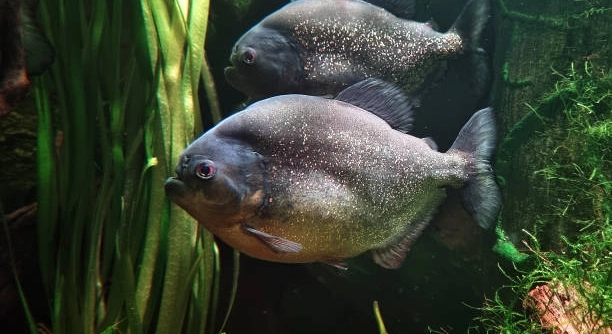
Piranhas are often seen as fierce fish, but many people keep them as pets in home aquariums. Caring for piranhas involves understanding their environment and how changes can affect their health. Water quality plays a crucial role in their wellbeing.
Piranhas can be sensitive to sudden changes in water conditions such as temperature, pH, and cleanliness. Rapid shifts can cause stress, weaken their immune system, and lead to illness or aggressive behavior. Maintaining stable water parameters is essential for their health.
Learning how water changes impact piranhas helps owners provide a safe and comfortable habitat. This knowledge supports better care and a happier life for these unique fish.
How Water Changes Affect Piranhas
Water changes are a necessary part of keeping piranhas healthy, but they need to be done carefully. Sudden or large water changes can shock the fish, causing stress or even illness. It’s important to keep the water temperature consistent and match the new water’s pH and hardness to the existing tank. Piranhas are used to stable conditions in the wild, so sudden shifts in their environment can confuse their biological systems. Even changing the water too frequently or too little can lead to problems, such as waste buildup or lack of oxygen. A gradual water change of about 20-30% weekly is usually best to maintain good water quality without causing harm.
Keeping an eye on the tank’s water parameters helps avoid these issues. Regular testing of ammonia, nitrites, nitrates, and pH is key to understanding when water changes are necessary.
Knowing how water changes influence piranhas lets you avoid common mistakes and create a more stable environment. This balance supports their natural behavior and long-term health.
Signs of Stress from Water Changes
Piranhas show clear signs when they are stressed by water changes. They may become less active, hide more, or show unusual aggression. Sometimes, their color may fade, or they might refuse food. These behaviors indicate the fish are struggling with their environment. Watching for these signs allows you to react quickly and adjust care routines. Stress can weaken their immune system, making them prone to diseases. It’s important to act fast to restore stable water conditions and reduce stress for your fish.
Stress signs help you understand when your piranhas are not comfortable. Observing behavior closely ensures timely care and intervention.
Preventing Stress During Water Changes
Gradual water changes reduce stress for piranhas. Avoid sudden shifts in temperature and water chemistry to keep them comfortable.
Using a water conditioner helps remove harmful chemicals like chlorine. Always match the temperature of the new water to the tank water before adding it. Slowly add new water over 30 minutes instead of all at once. These steps prevent shock and help maintain a stable environment. Testing water before and after changes ensures conditions stay safe. Keeping a consistent schedule for water changes also helps fish adjust without stress.
Remember that piranhas rely on stable conditions for their health. Avoiding quick changes protects their immune system and reduces aggressive behavior caused by stress.
Ideal Water Parameters for Piranhas
Piranhas thrive in water with a temperature between 74°F and 82°F (23°C to 28°C). Their preferred pH level ranges from 6.5 to 7.5, which mimics their natural river habitat. Water hardness should be moderate, around 5-15 dGH. Keeping these levels steady is important to avoid stressing the fish.
Water testing kits are useful tools to monitor these parameters regularly. Fluctuations outside this range can cause piranhas to become lethargic or sick. Proper filtration also helps maintain clean water by removing waste and toxins.
Consistent water conditions support natural behavior and growth. Understanding these ideal parameters makes it easier to keep your piranhas healthy and active over time.
Monitoring Water Quality
Regular water testing helps catch problems early. Checking ammonia, nitrite, nitrate, and pH levels keeps the environment safe for piranhas.
Using simple test kits is easy and effective. Consistent monitoring prevents sudden changes that could harm your fish’s health.
Common Mistakes During Water Changes
Changing too much water at once or using untreated tap water can cause stress and illness. Avoid drastic changes by replacing only 20-30% weekly with properly conditioned water.
Rushing water changes or ignoring water temperature differences often shocks the fish. Taking time and care during changes improves their comfort and wellbeing.
Importance of Stable Environment
Piranhas depend on a stable tank environment to stay healthy. Consistency in water parameters helps prevent stress-related diseases and aggression.
Maintaining regular feeding, cleaning, and water testing routines supports their natural behavior and promotes a longer, healthier life.
Signs of Poor Water Quality
Cloudy water, strong odors, or dead plants indicate poor water conditions. These signs mean immediate attention is needed to protect piranhas.
FAQ
Can sudden water changes kill piranhas?
Yes, sudden large changes in water temperature or chemistry can shock piranhas. This stress can weaken their immune system, making them vulnerable to diseases and sometimes causing death. It’s best to do gradual water changes and closely match new water to tank conditions to avoid this risk.
How often should I change the water in my piranha tank?
A good rule of thumb is to change about 20-30% of the water every week. This keeps waste levels low and helps maintain stable water parameters. Smaller, regular changes are better than infrequent large water replacements.
What temperature should the water be for piranhas?
Piranhas do well in temperatures between 74°F and 82°F (23°C to 28°C). Keeping the water within this range prevents stress and helps them stay active and healthy.
Is tap water safe for piranhas?
Tap water can contain chlorine or chloramine, which are harmful to fish. Always use a water conditioner to neutralize these chemicals before adding tap water to your tank.
What happens if the pH level changes suddenly?
Sudden shifts in pH can cause stress and discomfort. Piranhas prefer a pH between 6.5 and 7.5. Keeping it stable is important to avoid affecting their metabolism and behavior.
Can piranhas tolerate hard water?
They prefer moderately hard water, around 5-15 dGH. Very hard or very soft water can cause stress. Adjusting water hardness slowly helps them adjust without problems.
Why is my piranha hiding after a water change?
Hiding is a common stress response after water changes. If the water conditions changed too quickly, your piranha may feel unsafe. Give them time to adjust and check water parameters to ensure they are stable.
What are signs that my piranha is stressed?
Signs include loss of color, reduced activity, refusal to eat, excessive hiding, or aggression. Stress usually means something is wrong with water quality or tank conditions.
How can I make water changes less stressful?
Use a gradual approach by slowly adding new water over 20-30 minutes. Match the temperature and pH closely to the tank water. Avoid changing too large a volume at once.
Can piranhas survive without regular water changes?
No, without regular water changes, waste builds up, causing ammonia and nitrite spikes. These toxins are deadly to piranhas. Consistent water changes keep their environment clean and safe.
What is the best way to test water quality?
Use simple test kits to measure ammonia, nitrites, nitrates, and pH. Test water before and after changes to ensure conditions are safe for your fish.
Can water changes affect piranha behavior?
Yes, poor or sudden water changes can make piranhas aggressive or lethargic. Stable water supports normal behavior and reduces stress-related problems.
Is it okay to change all the water at once?
Changing all the water at once can shock piranhas due to sudden environmental changes. Partial, frequent changes are safer and help maintain balance in the tank.
How long should I wait after a water change to feed my piranhas?
It’s best to wait at least an hour after a water change before feeding. This allows the fish to settle and reduces stress while they adjust to the new water.
Can fluctuations in water hardness cause illness?
Yes, rapid changes in water hardness can stress piranhas and weaken their immune system, increasing the risk of disease. Maintain steady hardness levels for optimal health.
What should I do if my piranhas show signs of stress after a water change?
Check water parameters immediately and correct any imbalances. Consider smaller, more gradual changes next time. Keep the tank environment calm and avoid handling fish until they recover.
How important is filtration during water changes?
Filtration helps remove waste and toxins, supporting water quality between changes. A good filter reduces the frequency and size of water changes needed.
Can water temperature fluctuations cause piranhas to stop eating?
Yes, sudden drops or rises in temperature can make piranhas lose their appetite. Keeping the water stable encourages normal feeding behavior.
What tools help with safe water changes?
Use a gravel vacuum to remove debris and a water conditioner to treat new water. A thermometer and test kits ensure the water matches tank conditions.
Are piranhas sensitive to chlorine in water?
Yes, chlorine is toxic to piranhas. Always treat tap water with a dechlorinator before adding it to the tank to keep your fish safe.
How can I tell if my water change routine is working?
Healthy, active piranhas with bright colors and normal behavior usually indicate good water quality. Regular testing and clean water confirm a successful routine.
Water quality is one of the most important factors in keeping piranhas healthy. These fish are sensitive to sudden changes in their environment, especially changes in water temperature, pH, and cleanliness. Maintaining stable water conditions helps prevent stress, illness, and unusual behavior. Regular water testing and careful water changes are essential parts of good piranha care. By paying close attention to water parameters, owners can create a comfortable habitat that supports the fish’s natural needs.
When performing water changes, it is best to do them gradually. Large or sudden changes can shock piranhas and cause problems. Replacing about 20-30% of the water weekly with properly conditioned water usually works well. Matching the temperature and chemistry of the new water to the existing tank water is also very important. Taking these steps helps avoid stress and keeps the fish healthy. Using water conditioners to remove harmful chemicals, like chlorine, from tap water is another key step in safe water changes.
Overall, understanding how water changes affect piranhas makes a big difference in their care. It takes some effort to keep the water stable, but the rewards are worth it. Healthy piranhas tend to be more active, show brighter colors, and live longer. By maintaining a clean and balanced tank environment, owners can enjoy watching their fish thrive. Good water quality is the foundation of keeping piranhas safe and happy in a home aquarium.

Hello,
If you enjoy the content that we create, please consider saying a "Thank You!" by leaving a tip.
Every little bit helps us continue crafting quality advice that supports the health, happiness, and well-being of pets around the world, for pets of all shapes, sizes, and species.
We really appreciate the kindness and support that you show us!