
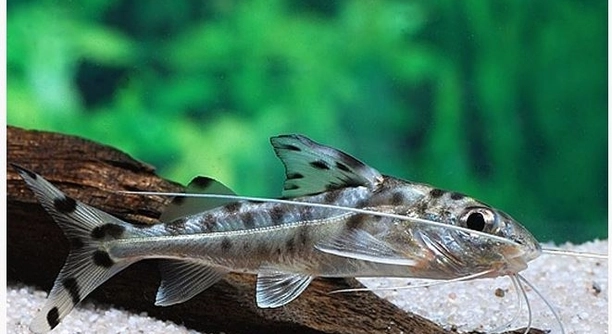
Pictus catfish are popular aquarium fish known for their striking spotted appearance and active behavior. Many fish owners notice how these catfish interact with their environment and sometimes show interest in their caretakers. Their responses can feel surprisingly personal.
Pictus catfish have the ability to distinguish between different people, primarily recognizing familiar individuals based on visual and environmental cues. This recognition is often linked to feeding routines and interaction patterns rather than complex social cognition.
Understanding how pictus catfish recognize people can improve how you care for them and deepen your connection with these fascinating aquatic pets. The following insights explain this unique behavior more clearly.
How Pictus Catfish Recognize People
Pictus catfish primarily use their vision to recognize individuals around them. They notice changes in movement, clothing colors, and feeding habits. When they see the same person regularly providing food or care, they begin to associate that person with positive experiences. Their recognition is not based on facial features like humans but rather on consistent environmental cues. This means they can tell one person from another by how that person acts and what they do near the tank. Over time, this creates a form of familiarity, which explains why pictus catfish may react differently to certain people. Their alertness around specific individuals often increases during feeding times, showing they link certain actions to rewards.
This behavior reflects basic learning and memory skills rather than complex social interaction. Pictus catfish are adapting to their surroundings through repeated experiences.
Recognizing people helps pictus catfish feel more secure in their environment. This also means they can respond with more confidence when they see someone familiar, which is important for their overall well-being. Building this connection supports their natural behavior and encourages regular interaction.
The Role of Feeding in Recognition
Feeding is a key factor in how pictus catfish recognize people.
When a person consistently feeds them, the catfish learn to identify that individual by associating them with food. This association encourages the fish to approach and watch that person closely. The routine helps form a bond based on expectation, making the fish more responsive to the feeder. Even small differences in timing, posture, or feeding style can signal to the catfish who is present. This shows that routine and consistency are crucial for recognition.
Over time, feeding habits establish a predictable environment for the pictus catfish. They become more alert and interactive with those who provide regular meals. This behavior suggests their ability to remember and differentiate people depends heavily on positive reinforcement. Repeated exposure to the same person during feeding creates a strong mental link that shapes their daily responses.
In addition to recognizing feeders, pictus catfish may also learn to avoid unfamiliar or unpredictable figures in their tank’s vicinity. This selective attention helps them manage stress and maintain comfort. The relationship between feeding and recognition emphasizes how important routine care is to these fish, offering a deeper understanding of their interactions in home aquariums.
Visual and Environmental Cues
Pictus catfish rely heavily on visual signals and environmental consistency to recognize people. They pick up on movement patterns, colors, and changes around their tank to identify familiar individuals.
Their vision is adapted to their aquatic habitat, allowing them to notice subtle differences in how people approach or interact with the tank. This sensitivity helps them distinguish between a regular feeder and a stranger. Lighting and reflections in the tank can affect how clearly they see, but consistent environmental cues remain key. Over time, pictus catfish build a mental map of their surroundings, including who is usually nearby and what behaviors are expected.
These cues work together with feeding routines to strengthen recognition. The combination of seeing the same person regularly and associating them with positive experiences creates a reliable signal for the fish. Changes in environment or caretaker habits can confuse them, showing how important stable routines are for maintaining recognition.
Interaction Beyond Feeding
Pictus catfish also respond to gentle interaction, not just feeding. They may swim closer or become more active when they see someone they know.
This behavior suggests recognition goes beyond simple food association. The fish can learn to expect calm and consistent interaction, which helps reduce their stress. When approached carefully, pictus catfish show curiosity and may watch movements near the tank more attentively. This attentiveness signals they remember and differentiate people based on past experiences.
Repeated calm presence builds trust and encourages the fish to be more responsive. Interaction routines like tapping gently on the glass or moving slowly near the tank can reinforce familiarity. These behaviors support the idea that pictus catfish use multiple senses and learned experiences to recognize individuals, making their behavior more complex than it may seem at first glance.
Learning Through Routine
Pictus catfish learn to recognize people mainly through repeated daily routines. Regular feeding and care create patterns they remember.
Consistency in interaction helps fish build recognition faster. Sudden changes can make them cautious or less responsive.
Memory Capacity of Pictus Catfish
Research shows pictus catfish have a decent memory span, enabling them to remember familiar faces and routines for weeks. This memory helps them distinguish caretakers and react differently depending on past experiences. Their ability to retain information supports better adaptation in home aquariums, making their behavior more predictable and easier to understand. This capacity also highlights the importance of stable care routines to maintain a healthy environment and strong fish-human connection.
Signs of Recognition
Pictus catfish often swim closer or become more active when recognizing familiar people.
FAQ
Can pictus catfish really tell one person from another?
Yes, pictus catfish can differentiate between people based on visual cues and routine behaviors. They don’t recognize faces like humans do, but they learn to identify individuals by movement patterns, clothing colors, and how the person interacts with the tank. Over time, these fish associate certain people with feeding or care, which helps them respond differently to each individual.
How do pictus catfish recognize their owners?
Recognition happens mostly through repeated exposure to the same person during feeding or maintenance. The fish notice consistent actions like the way you approach the tank, your movements, or even the time of day when you feed them. These routines create positive associations, making the fish more alert and comfortable around familiar individuals.
Do pictus catfish remember people for a long time?
They have a good memory span, remembering people and routines for weeks. This memory helps them distinguish familiar caretakers from strangers. Consistent interactions strengthen this recognition, but if routines change frequently, the fish may become cautious or less responsive.
Why do pictus catfish act differently around some people?
Their behavior changes based on past experiences with each person. If a fish associates someone with feeding or calm interaction, it will be more active and curious around them. Conversely, unfamiliar or sudden movements can cause the fish to hide or act stressed. This difference in behavior shows their ability to recognize and respond to people individually.
Can pictus catfish recognize their owners without feeding?
Yes, feeding is a strong factor, but they also respond to calm and regular interaction without food. Gentle tapping on the glass or slow movements near the tank can encourage the fish to recognize and approach familiar individuals. Interaction beyond feeding helps build trust and strengthens recognition.
What happens if the fish’s routine changes suddenly?
Pictus catfish may become confused or stressed if their feeding or care routines change unexpectedly. Since their recognition relies on consistency, sudden changes can disrupt their sense of security. To maintain recognition and reduce stress, it’s important to keep feeding times and care habits as stable as possible.
Can pictus catfish recognize people through scent or sound?
While fish mainly rely on vision, they can also detect changes in water chemistry or vibrations. However, their recognition of people is mostly linked to what they see and routine patterns rather than scent or sound. Visual cues and behavior remain the strongest factors for recognition.
How can I help my pictus catfish recognize me better?
Keep your feeding and interaction times consistent. Approach the tank in a calm and predictable manner, avoid sudden movements, and spend regular time near the tank. Using the same clothing colors or avoiding drastic changes in appearance can also help your fish become more familiar with you.
Do pictus catfish recognize other fish the same way?
Their recognition of other fish is different. They rely on social cues, territory, and movement within the tank to identify tank mates. Recognition between fish involves competition and social hierarchy rather than the learned routines used to recognize people.
Is it normal for pictus catfish to be shy around new people?
Yes, it is common for pictus catfish to be cautious around strangers. They react based on unfamiliar visual cues and unpredictable movements. Over time, with regular exposure and calm interaction, they may become less shy and more curious about new individuals.
Can pictus catfish show affection towards their owners?
While fish do not feel affection as mammals do, their behaviors—such as approaching the tank when a familiar person is nearby—indicate recognition and comfort. These responses show trust and a learned association with positive experiences, which can feel like affection to their caretakers.
What if my pictus catfish doesn’t seem to recognize me?
Some fish are naturally more cautious or less interactive. To improve recognition, increase consistent feeding and calm interaction times. Avoid sudden movements and loud noises, which can cause stress and reduce responsiveness. Patience and routine care usually help strengthen the bond over time.
Does the tank setup affect recognition?
Yes, lighting and tank decorations can impact how well pictus catfish see and recognize people. Clear water and consistent lighting improve visibility, making it easier for fish to notice familiar cues. Overly complex or dark setups may reduce recognition by limiting visual clarity.
How can I tell if my pictus catfish recognizes me?
Look for behaviors like swimming closer to the glass, increased activity, and watching your movements. These signs indicate the fish associates you with positive experiences like feeding or calm interaction. Consistent responses over time show recognition rather than random curiosity.
Pictus catfish show a remarkable ability to recognize people through a combination of visual cues and routine behaviors. While their recognition does not rely on facial features like humans, these fish learn to identify individuals based on consistent actions and feeding patterns. This learning process helps them feel more secure in their environment and respond differently to familiar caretakers. Their ability to remember routines and associate certain people with positive experiences is an important aspect of their behavior that often goes unnoticed.
Consistency plays a major role in how well pictus catfish recognize people. Keeping feeding times regular and approaching the tank calmly creates an environment where the fish feel comfortable and less stressed. When these fish experience predictable care, they are more likely to interact and show curiosity toward familiar individuals. On the other hand, sudden changes or inconsistent routines can cause the fish to become cautious or less responsive. This highlights the importance of patience and steady care in building a meaningful connection with pictus catfish.
Understanding that pictus catfish use multiple senses and learned experiences to recognize people adds depth to how we care for them. Their behavior reflects basic memory skills rather than complex social bonding, but it still creates a form of familiarity that improves their well-being. Paying attention to these details can enhance the relationship between owner and fish, making daily care more rewarding. This recognition is a reminder that even simple creatures have their own ways of interacting with the world around them.

Hello,
If you enjoy the content that we create, please consider saying a "Thank You!" by leaving a tip.
Every little bit helps us continue crafting quality advice that supports the health, happiness, and well-being of pets around the world, for pets of all shapes, sizes, and species.
We really appreciate the kindness and support that you show us!