
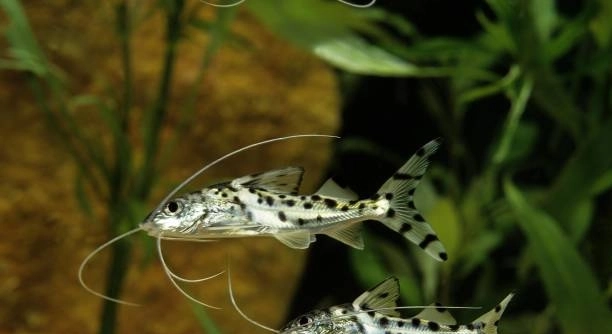
Pictus catfish are popular aquarium fish known for their active behavior and distinctive spotted patterns. Many fishkeepers wonder if they can keep these catfish with other bottom feeders without issues. Understanding their compatibility helps create a balanced tank environment.
Pictus catfish can generally share a tank with other bottom feeders if the species have similar temperaments and environmental needs. Careful selection is essential, as some bottom feeders may be too slow or aggressive, which can lead to stress or competition for food.
Maintaining harmony among tank mates requires attention to species behavior and tank setup. This article explains how to choose suitable companions for pictus catfish.
Understanding Pictus Catfish Behavior and Needs
Pictus catfish are active, fast swimmers that spend much of their time near the bottom of the tank. They prefer well-oxygenated water with moderate currents and need plenty of hiding spots. Because they are social fish, they do best in groups of at least five. Their speed and active nature mean they can outcompete slower bottom feeders for food, which can cause stress or malnutrition in tank mates. These catfish are also known to be somewhat sensitive to water quality changes, so keeping a stable environment is important. Their sharp barbels help them find food in the substrate, but they are not aggressive, making them good companions for peaceful fish. Understanding their behavior helps when selecting tank mates to avoid conflicts and maintain a peaceful tank community.
Pictus catfish require clean water and space to swim freely. Their activity level is higher than many bottom dwellers.
Tank setup plays a key role in successful cohabitation. A well-decorated tank with rocks, plants, and caves offers both hiding places and open swimming areas. This balance reduces territorial disputes. Feeding should be done carefully to ensure all fish get enough food, as pictus catfish are fast eaters. Using sinking pellets and spreading food throughout the tank helps. Keeping water parameters stable with regular maintenance benefits all species. Selecting bottom feeders that share similar water needs and peaceful temperaments will promote harmony. For example, species like Corydoras catfish or small loaches tend to get along well. Avoid keeping them with aggressive or very slow-moving bottom feeders that may suffer from competition or harassment. Thoughtful planning will keep your tank healthy and balanced.
Choosing Compatible Bottom Feeders
Compatibility depends mostly on temperament and environmental needs. Peaceful bottom feeders with similar activity levels make the best companions.
Slower, more timid bottom feeders often struggle when housed with pictus catfish. For instance, some larger or aggressive species may stress pictus catfish or compete aggressively for territory and food. In contrast, small, peaceful species like Corydoras are less likely to provoke conflict. They share similar water requirements and are quick enough to avoid competition. Additionally, avoiding bottom dwellers that prefer different water parameters or temperatures prevents health problems. Matching species with overlapping but not identical needs is ideal to maintain a stable tank environment. Careful research into the natural habitats and behaviors of potential tank mates ensures better success. Overall, a cautious approach when combining species reduces stress and improves the overall well-being of your aquatic community.
Tank Setup Tips for Pictus Catfish with Bottom Feeders
A well-planned tank setup helps reduce stress and competition among fish. Provide enough hiding spots and swimming space to keep peace.
Using smooth substrate like sand or fine gravel protects the delicate barbels of pictus catfish. Avoid sharp decorations that could cause injury. Include plenty of plants, caves, and driftwood to offer hiding places. Proper filtration and water circulation maintain oxygen levels, which pictus catfish need. Keeping the tank clean with regular water changes prevents buildup of harmful substances. Light should be moderate to mimic their natural habitat and reduce stress. Feeding spots should be spread out so all fish have access without competition. The tank size should be at least 30 gallons for a small group of pictus catfish and bottom feeders. This setup balances open areas for swimming with covered spaces for rest and security.
Maintaining stable water parameters is vital. Pictus catfish prefer temperatures between 72–79°F (22–26°C) and a pH of 6.5 to 7.5. Matching these with compatible bottom feeders ensures all fish thrive. Regular monitoring and gradual changes help avoid shock or illness.
Feeding Practices to Support Multiple Bottom Feeders
Feeding multiple bottom feeders requires careful attention to ensure all fish get enough nutrition. Spread food evenly on the substrate.
Use sinking pellets or wafers formulated for bottom feeders to meet their dietary needs. Supplement their diet with occasional live or frozen foods like bloodworms or brine shrimp to boost nutrition. Feeding smaller amounts multiple times a day can reduce food waste and competition. Observing feeding behavior helps identify if some fish are being outcompeted or missing meals. If necessary, feed shy or slower fish separately or use feeding rings to keep food contained. Balanced feeding supports healthy growth and reduces aggression caused by food scarcity. Ensuring each species’ dietary requirements are met maintains tank harmony and promotes vibrant, healthy fish.
Common Challenges When Keeping Pictus Catfish with Bottom Feeders
Aggression and competition for food are common issues. Pictus catfish’s speed can overwhelm slower bottom dwellers, causing stress.
Water quality must be closely monitored. Poor conditions affect all fish and increase susceptibility to disease, especially in mixed-species tanks.
Signs of Stress in Tank Mates
Stress in bottom feeders may show as hiding, loss of appetite, or faded colors. These signs indicate a need to adjust tank conditions or species choice.
Best Tank Mates for Pictus Catfish
Corydoras catfish and kuhli loaches are excellent tank mates. They are peaceful, active, and thrive in similar water conditions, reducing conflict risks.
Monitoring Your Tank Regularly
Regular observation helps catch early signs of trouble. Adjusting care promptly can prevent problems and keep all fish healthy and comfortable.
FAQ
Can pictus catfish live with shrimp or snails?
Pictus catfish may see small shrimp as food, especially if they are very active hunters. Larger snails usually are safe, but small or slow-moving shrimp might be at risk. If you want to keep shrimp, consider fast, well-planted tanks where shrimp can hide easily. Snails like mystery snails or nerites are less likely to be bothered and can coexist peacefully.
How many pictus catfish should I keep together?
Pictus catfish are schooling fish and prefer groups of at least five. Keeping them in a group reduces stress and encourages natural behavior. A small group also prevents them from becoming shy or hiding too much. However, make sure the tank is large enough—30 gallons or more is recommended for a group to swim comfortably.
What water conditions are best for pictus catfish and bottom feeders?
Both pictus catfish and common bottom feeders like Corydoras thrive in water temperatures between 72°F and 79°F (22°C to 26°C). The pH should be neutral to slightly acidic, around 6.5 to 7.5. Regular water changes and good filtration keep ammonia and nitrate levels low, which is critical for sensitive species.
Do pictus catfish require special diets?
Pictus catfish are omnivores and need a balanced diet that includes sinking pellets, frozen or live foods like bloodworms, and occasional vegetables. Bottom feeders generally have similar dietary needs, but some species may prefer more plant matter. Feeding a variety of foods supports their health and coloration.
Will pictus catfish eat other bottom feeders?
Pictus catfish are not aggressive predators, but they might occasionally nip or outcompete slower bottom feeders for food. They rarely attack larger or fast-moving bottom dwellers. Proper feeding and tank setup help reduce any risk of aggression or accidental injury.
Can pictus catfish live with goldfish or cichlids?
Goldfish and cichlids generally have different care needs and temperaments. Goldfish prefer cooler water and produce a lot of waste, which can stress pictus catfish. Many cichlids are territorial and aggressive, which can cause conflicts. It’s better to avoid mixing pictus catfish with these species.
How big do pictus catfish grow?
Adult pictus catfish can reach about 4 to 5 inches (10 to 13 cm) in length. They need enough space to swim and grow comfortably. Smaller tanks can stunt their growth or cause stress, so a minimum tank size of 30 gallons is recommended.
What are signs of illness in pictus catfish?
Common signs include loss of appetite, lethargy, frayed fins, or unusual swimming behavior. White spots or discoloration can indicate parasites or infections. Early detection and maintaining water quality are key to treating illnesses successfully.
Is it necessary to have a filter for a pictus catfish tank?
Yes, pictus catfish need clean, well-oxygenated water. A good filter keeps water clear of toxins and maintains oxygen levels. Because these fish are sensitive to poor water quality, regular filter maintenance is important to prevent health problems.
Can I keep pictus catfish in a planted tank?
Yes, pictus catfish do well in planted tanks. Plants provide hiding spots and reduce stress. Choose sturdy plants since pictus catfish may dig or disturb delicate species while searching for food.
How often should I feed pictus catfish and bottom feeders?
Feeding once or twice a day is sufficient. It’s better to feed small amounts multiple times than one large feeding. This prevents uneaten food from polluting the tank and reduces competition during mealtime.
What tank size is ideal for pictus catfish with bottom feeders?
A 30-gallon tank is the minimum for a small group of pictus catfish and compatible bottom feeders. Larger tanks offer more swimming space and reduce territorial behavior. Always consider the adult size and number of fish before choosing tank size.
Are pictus catfish nocturnal or active during the day?
Pictus catfish are mostly nocturnal but can be active during dawn and dusk. They may rest or hide during the day but will explore the tank and feed at night.
How can I reduce aggression in a mixed bottom feeder tank?
Providing plenty of hiding places, spreading out food, and selecting species with similar temperaments help minimize aggression. Avoid overcrowding and keep water quality high to reduce stress-induced conflicts.
Final Thoughts
Keeping pictus catfish with other bottom feeders can work well when the right conditions are met. These catfish are active and social, so they need enough space and companions to feel comfortable. Choosing tank mates with similar behavior and water requirements is important to avoid stress and aggression. Not all bottom feeders will do well with pictus catfish, so research is needed before adding new species. A well-planned tank setup, including plenty of hiding spots and a smooth substrate, helps keep all fish safe and happy.
Proper feeding is also a key part of successful cohabitation. Pictus catfish are fast eaters, so slower bottom feeders can sometimes miss out if food is limited or placed in one spot. Spreading food around the tank and feeding smaller amounts multiple times a day can make a big difference. Including a variety of foods ensures that all fish get the nutrients they need. Monitoring feeding behavior is important to catch any signs of competition or stress early. Feeding carefully supports the health and longevity of all species in the tank.
Maintaining good water quality and stable conditions is essential for any mixed tank. Pictus catfish are sensitive to changes in water parameters, so regular testing and water changes are necessary. A quality filtration system keeps the water clean and oxygenated. Temperature and pH should be kept consistent within the preferred range of both pictus catfish and their tank mates. Watching fish for signs of illness or stress helps identify problems before they worsen. With proper care and attention, pictus catfish can live peacefully alongside compatible bottom feeders, creating a balanced and interesting aquarium.

Hello,
If you enjoy the content that we create, please consider saying a "Thank You!" by leaving a tip.
Every little bit helps us continue crafting quality advice that supports the health, happiness, and well-being of pets around the world, for pets of all shapes, sizes, and species.
We really appreciate the kindness and support that you show us!