
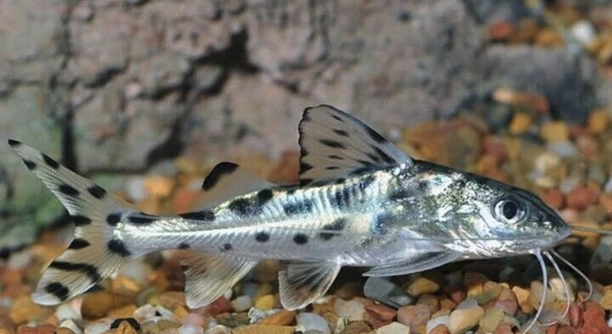
Pictus catfish are popular freshwater fish known for their active behavior and striking appearance. Many fishkeepers notice how sensitive these catfish seem to their surroundings, both inside and outside the tank. Understanding how they perceive vibrations can improve their care.
Pictus catfish have sensory systems that detect vibrations primarily within the water. Their lateral line system allows them to sense movement and pressure changes around them, but vibrations outside the tank are much less perceptible due to the barrier of glass and air.
Knowing how pictus catfish respond to external vibrations helps owners create a calmer environment for their fish. This article explains how these signals affect their behavior and well-being in everyday aquarium settings.
How Pictus Catfish Sense Vibrations
Pictus catfish use a specialized sensory system called the lateral line to detect vibrations and movement in the water. This system runs along their sides and helps them sense changes in pressure caused by nearby objects or other fish. Inside the tank, vibrations travel easily through the water, allowing the catfish to respond quickly to their environment. However, vibrations outside the tank do not transfer as effectively because glass and air act as barriers. While loud sounds or sudden movements near the tank may cause some disturbance, the catfish primarily rely on waterborne vibrations. This sensitivity helps them avoid predators and locate food. It also explains why they can seem startled by nearby tapping or heavy footsteps. Understanding this sensory limitation is key to minimizing stress and creating a peaceful habitat for your fish.
The lateral line allows pictus catfish to detect water vibrations but limits their response to outside tank activity.
Creating a calm environment means reducing loud noises or rapid movements near the tank. This approach helps your catfish feel safe and behave naturally. Even small vibrations can impact their stress levels, so gentle handling and careful placement of the aquarium matter.
Signs Your Catfish is Reacting to Vibrations
Pictus catfish may show visible signs when they sense vibrations inside or outside the tank. Common reactions include sudden darting, hiding, or increased activity. These responses are their way of coping with perceived threats or disturbances. Sometimes they swim near the tank glass, appearing curious or cautious. If vibrations are frequent, the fish might become stressed, which affects their health and appetite. Stress can weaken their immune system and reduce their overall well-being. Watching for these behaviors helps identify when the tank environment needs adjustment. Quiet surroundings and steady water conditions support a healthier, happier pictus catfish. By recognizing these signs early, you can take steps to reduce unnecessary disturbances and improve your fish’s quality of life.
Recognizing your catfish’s responses to vibrations helps prevent stress-related health problems and keeps the aquarium environment stable and peaceful.
How to Minimize Stress from Vibrations
Keeping the area around your tank quiet and stable reduces unnecessary vibrations. Avoid tapping on the glass or placing the tank near heavy foot traffic.
Controlling vibrations means choosing a good location for the aquarium, away from doors or appliances that cause noise. Soft surfaces under the tank can absorb some vibration from the floor. Also, avoid sudden movements near the tank, which can startle your pictus catfish. These simple steps make a big difference in keeping the fish calm and comfortable.
Maintaining consistent water conditions also helps reduce stress. Proper filtration and stable temperature create an environment where pictus catfish can thrive, even if occasional external vibrations occur. Together, these factors support their natural behavior and overall health.
Benefits of Understanding Your Catfish’s Sensory Limits
Knowing how pictus catfish sense vibrations allows better tank management. You can create an environment that respects their sensitivity and improves their quality of life. Less stress means healthier fish and fewer behavioral problems.
This understanding also helps in setting expectations for your catfish’s reactions. Recognizing their limits allows you to respond appropriately and adjust the environment when needed. The result is a more balanced, peaceful aquarium that benefits both the fish and the owner.
Can Pictus Catfish Hear Sounds Outside the Tank?
Pictus catfish do not hear sounds outside the tank the way humans do. Their hearing is adapted to detect vibrations in water, not air. Sounds traveling through the air are largely blocked by the tank glass.
While loud noises near the tank may cause some reaction, the fish’s primary sensory input comes from water vibrations. This means their response to outside sounds is limited and indirect.
Impact of Vibrations on Feeding Behavior
Vibrations can affect pictus catfish’s feeding habits by causing stress or distraction. When the environment is calm, they feed more confidently and actively. Sudden movements or noises might make them pause or hide, reducing feeding frequency and appetite.
Best Practices for Tank Placement
Place the tank away from doors, heavy appliances, and high-traffic areas. This minimizes sudden vibrations and loud noises. Choosing a quiet, stable spot supports the wellbeing of your pictus catfish and helps them thrive.
FAQ
Can pictus catfish feel vibrations outside the tank?
Pictus catfish primarily sense vibrations through the water inside their tank. The glass and air between them and the outside world reduce the strength of vibrations from outside. While they might detect very strong vibrations or sudden movements near the tank, their sensitivity to outside vibrations is limited compared to waterborne signals.
How do pictus catfish react to vibrations inside the tank?
Inside the tank, pictus catfish respond quickly to vibrations. They may dart away, hide, or become more alert. This behavior helps them avoid danger and find food. Vibrations signal changes in their environment, and their lateral line system detects these subtle movements, allowing them to respond appropriately.
Will loud noises outside the tank stress my pictus catfish?
Loud noises outside the tank can cause stress if they create vibrations strong enough to travel through the tank’s glass. Constant or sudden noises like banging or heavy footsteps can disturb the fish. Stress can affect their health, so placing the tank in a quiet area is important.
Can vibrations affect my catfish’s health?
Yes, prolonged exposure to vibrations and stress can weaken pictus catfish’s immune system. This makes them more susceptible to diseases and can reduce their appetite. Minimizing vibrations and maintaining stable water conditions help protect their health.
How can I reduce vibrations affecting my pictus catfish?
Place the tank on a sturdy, vibration-absorbing surface like a foam mat or thick carpet. Keep the aquarium away from doors, appliances, or high-traffic areas. Avoid tapping on the glass or sudden movements nearby to keep your fish calm.
Do pictus catfish use vibrations to communicate?
Pictus catfish mainly use their lateral line system to detect vibrations for navigation and safety rather than communication. While they may sense movements from other fish, they do not produce or interpret complex vibration signals as a form of communication.
Are there signs that indicate my fish is stressed by vibrations?
Yes, stressed pictus catfish may hide more often, lose appetite, or display erratic swimming. They might also become less active or try to escape the area near the source of vibrations. Observing changes in behavior can help you identify stress early.
Is it okay to tap on the tank sometimes?
Occasional gentle taps may not harm pictus catfish, but it’s best to avoid tapping regularly. Frequent tapping can startle them and increase stress, which impacts their wellbeing. Treat your tank with care to provide a calm environment.
How sensitive is the lateral line system?
The lateral line is highly sensitive to water pressure changes and vibrations. It allows pictus catfish to detect nearby movements and avoid threats even in low visibility. However, its effectiveness drops significantly for vibrations outside the water.
Can external vibrations affect other fish species differently?
Yes, sensitivity varies by species. Some fish rely more heavily on the lateral line or have better hearing abilities. Pictus catfish are moderately sensitive, but other species may react more or less strongly to external vibrations depending on their sensory adaptations.
What is the best way to monitor my catfish’s response to vibrations?
Watch for changes in swimming patterns, feeding habits, and hiding behavior. Keeping a routine helps you notice any unusual reactions. If your fish seem nervous or stressed after vibrations, consider adjusting the tank’s location or environment.
Can using decorations reduce vibration impact?
Yes, adding plants, rocks, or other decorations can help break up vibrations inside the tank. They provide hiding spots and reduce open water areas where vibrations spread quickly. This creates a more comfortable habitat for your pictus catfish.
Do vibrations affect breeding behavior?
Stress from vibrations can interfere with breeding. Pictus catfish need a calm environment to feel secure enough to spawn. Reducing disturbances supports successful breeding by creating a stable and safe habitat.
Are vibrations from water pumps harmful?
Properly functioning filters and pumps create some vibrations, but these are usually constant and fish can adjust to them. Problems arise when equipment malfunctions or causes loud, irregular vibrations, which can stress your catfish.
Can I train my catfish to ignore vibrations?
Fish cannot be trained like pets to ignore vibrations, but they may become accustomed to regular, harmless environmental noises. Avoid sudden or strong vibrations to prevent stress. Consistency in their environment is key to their comfort.
Pictus catfish rely mostly on their lateral line system to sense vibrations in the water around them. This system helps them detect movement, pressure changes, and nearby objects inside their tank. Vibrations outside the tank, however, do not reach them as clearly because glass and air block much of the energy. While they may notice strong or sudden vibrations near the aquarium, their sensitivity to sounds and vibrations beyond the tank is limited. Understanding this helps fishkeepers provide a better environment that minimizes stress and keeps their fish comfortable.
Reducing unnecessary vibrations around the tank is important for maintaining the health and well-being of pictus catfish. Vibrations can come from many sources, including tapping on the glass, heavy foot traffic, or loud noises from appliances. These disturbances may startle or stress the fish, causing them to hide, stop eating, or behave erratically. Over time, stress can weaken their immune system and lead to illness. Simple steps, like placing the tank in a quiet area, using vibration-absorbing mats, and avoiding sudden movements near the aquarium, can make a big difference in keeping your fish calm and healthy.
Paying attention to how your pictus catfish react to vibrations also improves your ability to care for them. Signs like increased hiding, loss of appetite, or restless swimming indicate discomfort and possible stress. By noticing these behaviors, you can adjust the tank environment or location to reduce harmful vibrations. Creating a stable and peaceful setting not only supports your catfish’s natural behavior but also encourages better feeding and overall happiness. Taking these steps ensures your pictus catfish live longer, healthier lives in a space that feels safe and secure.

Hello,
If you enjoy the content that we create, please consider saying a "Thank You!" by leaving a tip.
Every little bit helps us continue crafting quality advice that supports the health, happiness, and well-being of pets around the world, for pets of all shapes, sizes, and species.
We really appreciate the kindness and support that you show us!