
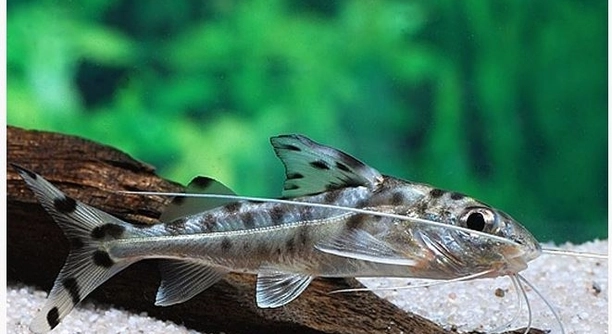
Many aquarium owners enjoy keeping a variety of peaceful creatures together in their tanks. Pictus catfish and snails are common choices for freshwater setups. Understanding how these species interact can help create a harmonious environment.
Pictus catfish can live with snails peacefully in most cases. They are primarily bottom feeders and do not typically prey on healthy snails. However, some snails might be at risk if they are small or slow-moving, depending on the catfish’s behavior.
Knowing these compatibility details helps maintain a balanced aquarium where both species thrive comfortably. This information is useful for anyone looking to mix fish and snails safely.
Behavior of Pictus Catfish Around Snails
Pictus catfish are active and social fish that usually swim near the bottom of the tank. They spend most of their time searching for leftover food rather than hunting live prey. This means they rarely bother snails, especially larger ones with sturdy shells. However, if a snail is small or slow, it might sometimes be seen as easy food. These catfish have sharp barbels that help them explore, but they are not aggressive by nature. They prefer hiding during the day and become more active at night, which is when snails are also usually less active. Tank setup and available food can influence how much attention the catfish pay to snails. Keeping the tank well-fed and providing enough hiding spaces for snails reduces any potential stress or risk.
Pictus catfish generally coexist well with snails when conditions are right and food is plentiful.
Tank conditions and feeding habits can greatly affect how Pictus catfish interact with their snail tank mates. Proper care encourages peaceful coexistence.
Choosing Snails That Are Compatible with Pictus Catfish
When selecting snails to keep with Pictus catfish, it’s important to pick species that are resilient and fast enough to avoid being bothered. Larger snails like mystery snails or apple snails usually do well because their hard shells protect them. Nerite snails are also a good choice since they are quick and spend a lot of time on tank walls. Avoid very small or slow-moving snails, as they may attract unwanted attention. Additionally, providing plenty of plants and hiding spots helps snails feel safe. If you notice your catfish showing too much interest in snails, increasing feeding frequency or adding more hiding places can reduce stress. Paying attention to the behavior of both snails and fish will help keep a peaceful environment in your tank. With the right setup, Pictus catfish and snails can share a home comfortably.
Feeding and Tank Conditions
Feeding your Pictus catfish well reduces their interest in snails. A varied diet helps keep them satisfied.
Providing sinking pellets or wafers ensures the catfish get enough food without competing with other fish. Overfeeding should be avoided to prevent water quality issues. Maintaining clean water with regular changes supports healthy behavior in both catfish and snails. Adding plenty of plants and hiding spots also helps reduce stress and creates a natural environment where snails can retreat if needed.
Water temperature between 72-79°F and a pH of 6.5-7.5 is ideal for Pictus catfish and most freshwater snails. Proper filtration keeps the tank healthy and reduces waste buildup. Avoid strong currents since Pictus catfish prefer gentle water flow. A well-maintained tank helps all inhabitants thrive and minimizes conflict.
Common Issues When Keeping Pictus Catfish with Snails
Sometimes Pictus catfish may nip at snail antennae or shells, especially if they are stressed or hungry. This can injure or stress snails, so monitoring behavior is important.
If snails start disappearing, it could mean the catfish are feeding on weak or small snails. Improving tank conditions and feeding schedules usually solves this problem. Also, overpopulation of snails may cause issues with algae growth and water quality, which can stress all tank residents.
Ensuring the right balance between catfish and snail populations, along with a clean tank, reduces the chance of problems. Observing interactions daily helps catch any early signs of trouble and allows you to act quickly to keep the tank peaceful.
Tank Setup Tips for Coexistence
Provide plenty of hiding places for snails using plants, rocks, or decorations. This helps reduce stress and protects them from curious catfish.
Keep the tank spacious enough. Crowded tanks increase competition and may cause unwanted aggression between species.
Monitoring Fish and Snail Behavior
Regularly observe how your Pictus catfish and snails interact. Look for signs of stress or injury in snails, such as missing antennae or shells.
If aggressive behavior increases, consider adjusting feeding routines or adding more hiding spots to improve harmony. Early intervention prevents long-term problems and keeps the tank peaceful.
Alternative Tank Mates for Pictus Catfish
Other peaceful bottom dwellers like Corydoras catfish or Otocinclus catfish can be good companions for Pictus catfish without threatening snails.
Choosing compatible species helps create a balanced, calm environment where all tank inhabitants can thrive.
Benefits of Having Snails in the Tank
Snails help clean leftover food and algae, contributing to tank cleanliness. They also add visual interest and diversity to the aquarium environment.
FAQ
Can Pictus catfish eat snails?
Pictus catfish are mainly scavengers and don’t usually hunt healthy snails. However, if a snail is very small, weak, or slow, it might become a snack. Most of the time, Pictus catfish prefer leftover food on the tank bottom rather than live prey. Proper feeding and tank conditions reduce the chance of catfish bothering snails.
Are all types of snails safe with Pictus catfish?
Not all snails are equally safe with Pictus catfish. Larger species like mystery snails and apple snails tend to do well because their hard shells protect them. Smaller or slow-moving snails might be at risk, so it’s better to avoid very tiny species in a tank with Pictus catfish. Nerite snails are also a good option since they are quick and often stay on tank walls.
How often should I feed Pictus catfish to keep them from bothering snails?
Feeding Pictus catfish once or twice daily with sinking pellets or wafers usually works well. Overfeeding can cause water problems, so it’s important to balance their diet properly. Well-fed catfish are less likely to target snails. Adding variety, such as occasional frozen or live foods, helps meet their nutritional needs and keeps them satisfied.
Will snails harm Pictus catfish in any way?
Snails generally don’t harm Pictus catfish. They mainly help clean the tank by eating leftover food and algae. Some snails have sharp shells that might cause minor irritation if the fish bump into them, but this is rare. Overall, snails are peaceful and can benefit the tank’s health without causing problems for catfish.
What tank conditions are best for keeping Pictus catfish and snails together?
A tank temperature between 72-79°F and pH around 6.5-7.5 suits both Pictus catfish and most freshwater snails. Gentle water flow is preferred since strong currents stress the catfish. Regular water changes and good filtration keep the environment clean, which benefits both species. Plenty of plants and hiding spots also help reduce stress and improve coexistence.
How can I tell if my catfish is bothering the snails?
Signs that a catfish might be bothering snails include damaged or missing snail antennae, broken shells, or snails hiding more than usual. If you notice snails disappearing without signs of natural death, catfish could be a factor. Watching your tank regularly helps catch these issues early, so you can make changes if needed.
What should I do if Pictus catfish start attacking snails?
If your catfish start attacking snails, increase feeding frequency or improve food quality to keep them satisfied. Adding more hiding places with plants or decorations also gives snails protection. If aggression continues, consider separating the snails or choosing more robust snail species that can handle the catfish better.
Can overpopulation of snails cause problems with Pictus catfish?
Yes, too many snails can affect water quality by producing extra waste, which stresses all tank inhabitants, including catfish. Overpopulation can also lead to algae blooms and clogged filters. Balancing snail numbers and maintaining a clean tank helps everyone stay healthy and peaceful.
Is it okay to keep Pictus catfish with other snail-eating fish?
Keeping Pictus catfish with other snail-eating species can increase risk to snails. It’s best to avoid mixing multiple snail predators in the same tank to prevent unnecessary stress or loss of snails. If you want a diverse tank, focus on peaceful species that do not threaten snails.
What are some good alternative tank mates for Pictus catfish if I want snails to be safe?
Peaceful bottom dwellers like Corydoras or Otocinclus catfish are excellent companions for Pictus catfish. These species do not bother snails and help keep the tank clean. They are calm and share similar water needs, making the environment comfortable for all inhabitants.
Pictus catfish and snails can usually live together peacefully if the right conditions are met. Pictus catfish tend to focus on scavenging leftover food rather than hunting snails. Choosing larger, hard-shelled snail species helps reduce any risk, as these snails are less likely to be bothered. A tank with enough hiding spaces, plants, and proper feeding routines supports calm behavior among both fish and snails. When these factors are in place, the two species can coexist without much trouble.
It’s important to watch your tank regularly for signs of stress or aggression. Snails showing damage to their shells or missing antennae may be under threat. Similarly, if you notice snails disappearing unexpectedly, it could mean the catfish are targeting them. Keeping your Pictus catfish well-fed and providing a spacious, clean tank helps reduce these problems. Adding decorations or plants gives snails places to hide and feel safe. Making these small adjustments can keep your aquarium balanced and peaceful for all its inhabitants.
Overall, keeping Pictus catfish with snails is possible with careful planning and attention. Understanding their behaviors and needs will help you create a suitable environment. Feeding the catfish properly, selecting the right snail species, and maintaining good water quality are key steps. With patience and care, you can enjoy a tank where both Pictus catfish and snails thrive together comfortably.

Hello,
If you enjoy the content that we create, please consider saying a "Thank You!" by leaving a tip.
Every little bit helps us continue crafting quality advice that supports the health, happiness, and well-being of pets around the world, for pets of all shapes, sizes, and species.
We really appreciate the kindness and support that you show us!