
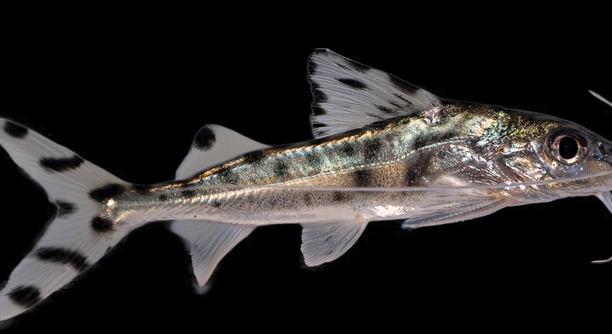
Many aquarium enthusiasts enjoy keeping diverse fish species together to create a lively tank environment. Combining different fish can be rewarding, but it requires understanding how species interact. Pictus catfish and barbs are two popular choices for community tanks.
Pictus catfish can generally coexist peacefully with barbs if the tank is spacious and properly maintained. Both species have different behaviors and needs, but with careful selection and monitoring, conflicts can be minimized to ensure a harmonious environment.
Learning about their compatibility helps maintain a balanced aquarium where both fish thrive and display natural behaviors comfortably.
Behavior and Temperament of Pictus Catfish and Barbs
Pictus catfish are peaceful bottom dwellers that prefer to stay hidden during the day and become more active at night. They swim quickly and use their barbels to search for food along the tank floor. Barbs, on the other hand, are active mid-level swimmers known for their energetic and sometimes nippy behavior. While barbs can be social and lively, some species may show territorial tendencies or nip fins, especially in small tanks or when stressed. Understanding these natural behaviors is key to creating a peaceful aquarium. If the tank has enough space, hiding spots, and balanced population, both fish can adapt without much aggression. The calm nature of the Pictus catfish usually helps it avoid conflicts. Meanwhile, barbs will benefit from a group of their own kind, which reduces stress and aggressive actions toward other species.
Proper tank conditions and monitoring are essential to prevent stress-related issues and aggression.
Knowing these behavioral traits helps in arranging tank setups that support both species’ needs for swimming space, shelter, and social interaction.
Tank Setup for Harmonious Coexistence
Providing a large aquarium with plenty of hiding places is important when housing Pictus catfish with barbs. Both fish require open swimming areas and secure spots to retreat. A tank size of at least 30 gallons is recommended for a small group of barbs and a few Pictus catfish. Plants, rocks, and driftwood help break the line of sight and reduce stress. Barbs prefer slightly faster water flow, while Pictus catfish enjoy calmer areas near the bottom, so creating zones with varied currents is beneficial. It’s also necessary to keep water quality stable through regular maintenance, as both species are sensitive to poor conditions. Feeding should be adjusted so both species receive proper nutrition without competition. Careful planning of the tank environment plays a large role in preventing aggressive behavior and supporting peaceful interactions.
Maintaining water parameters between 72-78°F and a pH of 6.5 to 7.5 suits both species well.
This careful balance in tank setup allows the Pictus catfish to thrive at the bottom while barbs swim freely above, reducing conflicts and encouraging natural behavior.
Feeding Habits and Diet Compatibility
Pictus catfish are bottom feeders who enjoy sinking pellets, worms, and small crustaceans. Barbs prefer flakes, pellets, and live or frozen foods near the middle of the tank.
Both species have different feeding zones, which helps reduce competition for food. Pictus catfish search the substrate while barbs feed higher up. It is important to provide a varied diet to meet their nutritional needs. Offering sinking pellets for the catfish and floating flakes for the barbs ensures both get proper nutrition. Feeding times should be consistent to avoid stress and aggression during meals.
Avoid overfeeding, as leftover food can degrade water quality. Monitor feeding behavior to ensure neither species dominates the food supply. Supplementing with occasional live or frozen treats helps keep both fish healthy and active. Good nutrition supports peaceful coexistence by reducing hunger-driven aggression.
Signs of Stress and Aggression to Watch For
Aggression often shows as fin nipping, chasing, or hiding. Barbs are known for fin nipping if bored or stressed. Pictus catfish may become reclusive or show erratic swimming if stressed.
If you notice excessive chasing or damaged fins, the tank might be too small or lack hiding spots. Isolated or overly shy catfish may need better shelter. Adjusting tank décor and ensuring enough space can calm tensions. Adding more barbs can reduce fin nipping by spreading aggression among their group rather than other species. Regular water changes and stable conditions also help lower stress levels.
Observing behavior closely is key to catching problems early and maintaining peace in the tank. Proper care and environment adjustments prevent long-term issues and promote harmony.
Choosing Compatible Barb Species
Not all barbs are equally peaceful. Cherry barbs and gold barbs tend to be calmer and better suited with Pictus catfish. Tiger barbs, while popular, can be more aggressive and may nip fins frequently.
Selecting a more docile barb species helps reduce conflicts and creates a more balanced tank environment.
Ideal Group Sizes for Peace
Keeping barbs in groups of six or more reduces their tendency to pick on other fish. Pictus catfish do well in groups of three to five, which helps them feel secure and display natural behavior.
Maintaining proper group sizes supports social needs and lowers stress, promoting peaceful coexistence between these species.
Water Parameter Requirements
Both Pictus catfish and most barb species prefer temperatures between 72°F and 78°F, with a neutral to slightly acidic pH around 6.5 to 7.5. Regular testing helps keep conditions stable, which is essential for reducing stress and preventing disease.
Maintaining clean water is vital for their health and harmony in the aquarium.
FAQ
Can Pictus catfish and barbs live together without fighting?
Yes, they can live together peacefully if the tank is large enough and properly set up. Pictus catfish are bottom dwellers, while barbs swim in the middle and upper levels, which helps reduce direct conflicts. Providing enough hiding spots and swimming space is essential to keep stress low. Also, choosing a calm barb species and keeping proper group sizes helps maintain harmony.
What tank size is best for keeping Pictus catfish with barbs?
A minimum of 30 gallons is recommended for a small group of barbs and a few Pictus catfish. Larger tanks give both species enough room to swim and establish territories. This helps prevent aggression and stress. Adding plenty of plants, rocks, and driftwood creates natural barriers, which further reduces conflict.
Are Tiger barbs a good choice with Pictus catfish?
Tiger barbs tend to be more aggressive and may nip the fins of slower fish like Pictus catfish. If you want to avoid fin damage, it’s better to choose calmer barb species such as cherry barbs or gold barbs. If Tiger barbs are kept, they should be in a larger group (six or more) to reduce aggression toward other fish.
How often should I feed Pictus catfish and barbs?
Feeding once or twice a day is usually enough. Offer sinking pellets or wafers for Pictus catfish, and flakes or floating pellets for barbs. Supplement their diet occasionally with live or frozen foods like bloodworms or brine shrimp. Avoid overfeeding to keep water quality high and prevent stress.
What are signs that the fish are stressed or aggressive?
Look for fin nipping, chasing, or hiding. Barbs may nip fins if bored or crowded, while Pictus catfish may become shy or swim erratically if stressed. Damaged fins and constant chasing mean changes are needed—like more hiding places or a larger tank.
Can Pictus catfish live alone with just a few barbs?
Pictus catfish prefer being in groups of three or more because it makes them feel secure. Barbs also do best in groups of six or more to spread out their energy and reduce aggression. Keeping too few fish can lead to stress and unusual behavior.
Do Pictus catfish and barbs require the same water conditions?
Yes, both species thrive in similar water parameters. The ideal temperature range is 72°F to 78°F, and the pH should be between 6.5 and 7.5. Regular water changes and good filtration are important to maintain stable water quality and keep both species healthy.
Is it necessary to add hiding spots in the tank?
Absolutely. Pictus catfish are shy and need places to hide during the day. Plants, caves, and driftwood provide shelter and reduce stress. Barbs benefit too, as hiding spots help break up their line of sight and lower aggressive behavior.
Can barbs bully Pictus catfish?
If conditions aren’t ideal, barbs—especially aggressive types like Tiger barbs—can bully slower fish. Proper tank size, enough group members, and hiding spots minimize this risk. Choosing calmer barb species also helps keep the peace.
What should I do if I notice aggression?
First, check the tank size and décor to ensure there is enough space and shelter. Adding more barbs to increase their group size can help spread out aggressive behavior. Sometimes separating the fish temporarily can calm things down. Improving water quality and feeding routines also reduces stress-driven aggression.
Are Pictus catfish and barbs compatible with other community fish?
Both species generally do well with other peaceful community fish that share similar water needs. Avoid very slow-moving or long-finned fish with barbs, as they might become targets for nipping. Small tetras, rasboras, and danios often make good companions.
Do Pictus catfish need a dark tank environment?
Not necessarily dark, but they prefer dim lighting or shaded areas. Bright light can stress them, so providing plants or caves helps create comfortable spots. This also encourages natural activity during nighttime or low light.
How fast do Pictus catfish and barbs grow?
Pictus catfish can grow up to 5 inches in length, while barbs generally stay between 2 to 3 inches, depending on the species. Knowing their adult size helps plan the tank size and stocking levels to avoid overcrowding.
Can I keep Pictus catfish and barbs with plants?
Yes, both species are plant-friendly. Barbs may nibble on soft plants occasionally but usually don’t cause major damage. Using hardy plants like Java fern or Anubias is a good choice to withstand any nibbling and provide hiding spaces.
How important is water filtration with these fish?
Water filtration is very important to keep the tank clean and oxygenated. Both Pictus catfish and barbs are sensitive to poor water quality, which can lead to illness or aggression. A good filter and regular water changes keep the environment safe and healthy for all fish.
What is the lifespan of Pictus catfish and barbs?
Pictus catfish can live up to 8 years with proper care. Barbs usually live around 4 to 6 years. Providing a balanced diet, stable water conditions, and a peaceful tank environment supports their long, healthy lives.
When considering keeping Pictus catfish and barbs together, it is important to focus on their natural behaviors and tank needs. Both species can live peacefully in the same aquarium if the conditions are right. Pictus catfish prefer to stay near the bottom, searching for food and hiding when needed, while barbs swim mostly in the middle and upper parts of the tank. This natural separation helps reduce direct conflict between them. Making sure the tank is large enough with enough hiding spots and swimming space is a key part of creating a calm environment for both fish. Choosing calmer barb species and keeping proper group sizes also makes a big difference in reducing aggression.
Feeding habits and water conditions are other important factors to consider. Pictus catfish need sinking foods like pellets and worms, while barbs do better with flakes and floating pellets. Feeding both species properly and avoiding overfeeding helps maintain good water quality and keeps the fish healthy. The right water temperature and pH, along with regular cleaning and filtration, help prevent stress and illness. When fish are healthy and their environment matches their needs, they are less likely to become aggressive or stressed.
In summary, housing Pictus catfish and barbs together requires careful planning and attention to detail. It is important to observe their behavior and be ready to make adjustments if needed. Providing a large tank, hiding places, proper diet, and stable water conditions creates a peaceful and balanced aquarium. With these steps, both species can thrive and coexist without problems. Understanding their different habits and needs allows you to enjoy a diverse and lively community tank with Pictus catfish and barbs living together peacefully.

Hello,
If you enjoy the content that we create, please consider saying a "Thank You!" by leaving a tip.
Every little bit helps us continue crafting quality advice that supports the health, happiness, and well-being of pets around the world, for pets of all shapes, sizes, and species.
We really appreciate the kindness and support that you show us!