
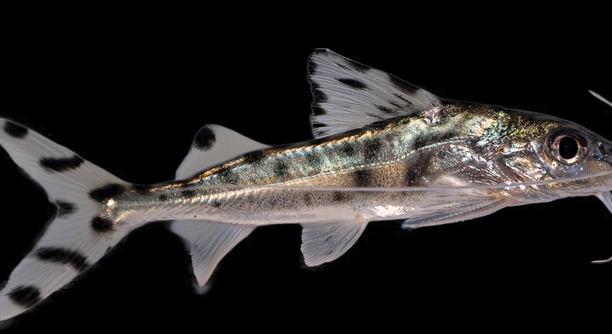
Many aquarium owners enjoy keeping Pictus Catfish because of their lively nature and striking appearance. These fish are popular for community tanks and can adapt to various water conditions with proper care. Knowing their water preferences helps maintain a healthy environment for them.
Pictus Catfish can live in soft water, but the water should be well-maintained with stable parameters. They thrive best in slightly acidic to neutral pH, and extreme softness can cause stress, so gradual acclimation is important to ensure their well-being.
Understanding how water softness affects Pictus Catfish can improve their care and longevity. Proper attention to water quality will help you create a comfortable home for these active fish.
Understanding Soft Water for Pictus Catfish
Soft water means water that has low levels of dissolved minerals, like calcium and magnesium. In nature, Pictus Catfish are found in rivers and streams where the water is often soft to moderately hard. When keeping them in an aquarium, it’s important to match these conditions as closely as possible. Soft water alone isn’t harmful, but rapid changes in water hardness or pH can stress the fish. Stable water parameters help them stay healthy and active. Soft water often has a lower pH, which suits Pictus Catfish, but it should not be too acidic. Testing your aquarium water regularly can help you maintain the right balance. Using natural decorations and substrate can also affect water softness and quality, so it’s good to consider these when setting up their tank.
Soft water is safe for Pictus Catfish if kept stable and within their preferred range. Proper maintenance is key to avoiding stress.
Keeping Pictus Catfish in soft water means watching the water chemistry closely. Frequent testing and small water changes can help keep conditions steady. Avoid sudden shifts in pH or hardness to prevent illness. Using filtered or conditioned water is helpful, especially if your tap water is hard or has unwanted chemicals. Adjusting water parameters gradually allows the fish to adapt better. This attention to water quality can make a noticeable difference in how active and vibrant your catfish appear. A healthy environment means less risk of disease and longer life for your fish.
Signs Your Pictus Catfish Is Struggling in Soft Water
If your Pictus Catfish is uncomfortable in soft water, you may notice changes in behavior or appearance.
Common signs include lethargy, loss of appetite, or faded coloration. Sometimes they may hide more than usual or show signs of stress like rapid breathing. These behaviors suggest the water parameters might be off. If you observe these signs, check your water hardness and pH right away. Adjustments should be made slowly to avoid shocking the fish. Ensuring proper filtration and regular water changes also supports a healthy environment. Taking these steps early can help your Pictus Catfish recover and thrive. Monitoring your fish’s behavior is a useful way to catch problems before they become serious.
Adjusting Water Conditions for Soft Water Tanks
Adjusting water for soft water tanks requires patience. Sudden changes can harm Pictus Catfish, so gradual steps are best. Using RO (reverse osmosis) water mixed with tap water helps control hardness. Adding peat moss or almond leaves naturally softens water and lowers pH.
To soften hard water safely, start by mixing small amounts of RO water with your tank water. Test hardness and pH after each change. Peat moss filters and almond leaves slowly release tannins that reduce mineral content, making the environment closer to the catfish’s natural habitat. These methods avoid harsh chemical treatments. Always monitor your water daily during adjustment periods to catch any issues early.
A consistent schedule of water changes using softened water helps maintain stable conditions. Stability supports the health of Pictus Catfish and reduces stress, promoting better feeding and activity levels. Adding live plants can also help balance water chemistry over time.
Feeding Pictus Catfish in Soft Water
Pictus Catfish eat a varied diet of meaty foods, which should be fresh or frozen. Feeding quality food helps them stay strong, especially in soft water where stress may be higher.
Feeding live or frozen bloodworms, brine shrimp, and sinking pellets offers balanced nutrition. Avoid overfeeding, as leftover food can pollute the tank and affect water quality. Feeding small amounts two to three times daily is ideal. Observe your catfish’s eating habits to adjust portions. Healthy food supports their immune system, making them better equipped to handle soft water conditions.
Supplementing their diet occasionally with vegetables like blanched zucchini or cucumber can provide fiber and variety. This helps maintain good digestion and overall health. Clean the tank regularly to prevent buildup of waste that can harm the fish.
Tank Setup Tips for Soft Water
Choose a tank with plenty of hiding spots using driftwood and smooth rocks. These decorations can slightly lower pH and soften water naturally. Soft substrate like sand works best for Pictus Catfish’s sensitive barbels.
Maintain good filtration without strong currents. Gentle water flow mimics their natural habitat and helps reduce stress. Keep the tank covered to prevent jumps since these catfish are active swimmers.
Monitoring Water Quality
Regularly test pH, hardness, and ammonia levels to keep water safe. Consistent checks prevent sudden changes that could harm your fish.
Maintaining clean, stable water conditions reduces the risk of illness and promotes healthy behavior in Pictus Catfish.
Compatible Tank Mates
Choose peaceful fish that tolerate similar soft water conditions. Avoid aggressive or large species that may stress Pictus Catfish.
Small tetras, rasboras, and corydoras are good companions in a soft water tank.
FAQ
Can Pictus Catfish survive in very soft water?
Pictus Catfish can live in soft water, but extremely soft water with very low minerals may cause stress and health problems over time. It’s important to maintain some level of minerals to support their biological functions. Gradual acclimation helps them adjust without shock.
How often should I test the water hardness for Pictus Catfish?
Testing water hardness at least once a week is ideal. Frequent checks allow you to catch changes early and adjust before the fish become stressed. When adjusting water conditions, testing daily is helpful until parameters stabilize.
What are signs of poor water quality in a soft water tank?
Signs include lethargy, loss of appetite, gasping at the surface, and faded colors. If these appear, test for ammonia, nitrite, pH, and hardness immediately. Poor water quality can quickly affect Pictus Catfish health.
Is it necessary to use reverse osmosis (RO) water for soft water tanks?
Using RO water is not always necessary but can be very helpful if your tap water is hard or contains chemicals. Mixing RO water with tap water allows better control over hardness and pH. Always remineralize RO water slightly before use.
Can I use chemical water softeners for Pictus Catfish?
Chemical softeners can change water hardness quickly but may also introduce harmful substances. Natural methods like peat moss or almond leaves are safer and better for long-term tank health.
How can I acclimate Pictus Catfish to soft water?
Acclimate slowly by mixing tank water with new water in small increments over several hours. This process reduces shock from sudden changes in hardness or pH. Monitor behavior closely during acclimation for stress signs.
What is the ideal pH range for Pictus Catfish in soft water?
The ideal pH is between 6.0 and 7.0. Slightly acidic to neutral water mimics their natural environment. Avoid sharp fluctuations and keep pH stable for best health.
Are Pictus Catfish sensitive to temperature changes in soft water?
Yes, they prefer stable temperatures between 74°F and 79°F (23°C to 26°C). Sudden temperature swings can stress them, especially in soft water conditions where their body functions are already adjusting.
Can Pictus Catfish be kept with other soft water fish?
They do well with other peaceful species that share similar water needs. Avoid aggressive fish that may bully or outcompete them. Compatible tank mates help create a balanced community tank.
What should I do if my Pictus Catfish shows signs of stress?
Check water parameters immediately. Perform partial water changes if needed, and ensure stable conditions. Reduce tank lighting and provide hiding spots. Sometimes a small diet adjustment can help improve their condition.
Pictus Catfish can live comfortably in soft water when their environment is carefully maintained. These fish need stable water conditions with gentle changes to feel safe and healthy. Soft water should not be too soft or too acidic, as this can cause stress and harm their health. Regular testing of water hardness, pH, and cleanliness is important to keep the water balanced. This helps the fish stay active and vibrant in your aquarium. It’s also helpful to use natural materials like driftwood or almond leaves to softly adjust the water quality in a way that mimics their natural home.
Feeding Pictus Catfish properly is just as important as water quality. They need a diet rich in protein from fresh or frozen foods like bloodworms and brine shrimp. Overfeeding should be avoided because leftover food can pollute the tank and affect water quality, especially in soft water tanks where conditions need to be closely monitored. Small, frequent feedings help maintain their energy and overall health. Adding some vegetables occasionally can help with their digestion. A well-balanced diet supports their immune system, making them better able to handle changes in water conditions.
Lastly, creating the right tank setup plays a big role in their comfort. Providing hiding places with soft substrates like sand and decorations that naturally soften water helps reduce stress. Gentle filtration and stable water flow are essential to simulate their natural environment. Keeping tank mates peaceful and compatible with soft water conditions will also improve their wellbeing. Paying attention to all these details ensures your Pictus Catfish can live a long, healthy life in soft water. Taking the time to care for these aspects makes the difference between just keeping fish and truly enjoying a thriving aquarium.

Hello,
If you enjoy the content that we create, please consider saying a "Thank You!" by leaving a tip.
Every little bit helps us continue crafting quality advice that supports the health, happiness, and well-being of pets around the world, for pets of all shapes, sizes, and species.
We really appreciate the kindness and support that you show us!