
Have you ever added a new fish to your tank, only to wonder if it will get along with the others?
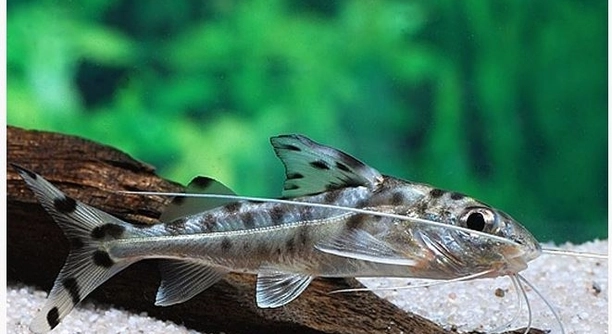
Pictus catfish can live in a community tank, but only under specific conditions. They require plenty of space, peaceful yet sturdy tank mates, and proper hiding spots to reduce stress and territorial behavior.
Understanding these needs will help create a safe environment for both your pictus catfish and the rest of your aquatic companions.
Tank Size and Environment Requirements
Pictus catfish are fast swimmers and need plenty of room to explore. A tank that’s at least 55 gallons gives them the space they need to move freely and feel secure. They also appreciate a tank with a soft substrate, like sand, which helps protect their sensitive barbels. Adding driftwood, caves, and plants creates hiding spots and keeps them comfortable. A strong filter is important because these fish produce a lot of waste, and they thrive in clean, well-oxygenated water. Keeping the temperature between 72°F and 80°F and maintaining a stable pH of 6.5 to 7.5 helps them stay healthy.
Pictus catfish are nocturnal, so lighting should be dim or softened with plants.
A peaceful, spacious setup helps reduce stress and prevents them from bothering other fish. They are less likely to be aggressive when they have enough room to swim and hide. Keeping their environment stable and well-maintained is key to making them feel secure.
Suitable Tank Mates and Behavior
Pictus catfish can be fin nippers, especially when stressed or overcrowded. Avoid housing them with slow, long-finned fish like bettas or angelfish.
They do best with other active, mid-to-top dwelling fish that can hold their own, such as larger tetras, barbs, danios, and peaceful cichlids. Avoid very small fish like neon tetras, as they may be mistaken for food. Pictus catfish are social and often feel more at ease when kept in small groups of their own kind, though this requires even more space. While they are not aggressive by nature, their high energy and scavenging behavior can be overwhelming to less active species. To reduce this risk, ensure proper tank size, offer a varied diet, and add enough hiding spots. Watching their activity and making adjustments as needed helps prevent conflict. A balanced group of tank mates supports a peaceful environment where all fish can thrive without constant stress or territorial behavior.
Feeding Habits and Dietary Needs
Pictus catfish are scavengers and prefer sinking foods. They eat quickly and tend to clean up leftovers, but this doesn’t replace proper feeding. Feed them once or twice daily with a mix of protein-rich and plant-based foods.
A balanced diet keeps pictus catfish active and healthy. Use sinking pellets or tablets as their main food, and supplement with frozen or live options like bloodworms, brine shrimp, or blackworms. They also nibble on vegetables like blanched zucchini or cucumber, which can be offered once or twice a week. Avoid overfeeding, as these fish are prone to digestive issues when given too much food at once. Make sure all food reaches the bottom of the tank where they feed. Remove uneaten food after a few minutes to prevent water quality issues. Consistent feeding with varied options will support their immune system and promote natural foraging behavior in the tank.
Feeding should be done in a calm environment to avoid competition. Tank mates that eat from the surface or midwater are ideal so the pictus catfish can feed comfortably at the bottom. Watching their feeding habits also helps you monitor their health. A sudden lack of interest in food could be a sign of stress or illness.
Activity Level and Social Behavior
Pictus catfish are highly active, especially during the evening and night. They swim quickly and explore the tank, often weaving through decorations. This activity can stress slower fish, so tank mates should be able to tolerate their movement.
They are not aggressive but can be territorial if crowded.
Common Issues and Prevention
Pictus catfish are prone to stress if their environment is too small, too bright, or lacks hiding spaces. Stress can lead to illness or aggression. Monitor water parameters regularly, as poor quality can quickly affect their health. Ammonia, nitrite, and nitrate levels should stay within safe ranges, and temperature changes should be avoided. Ensure their diet is varied and nutritious to support immune function. Adding plants, caves, and driftwood gives them places to rest during the day. Quarantine new fish before adding them to the tank to prevent disease spread. Regular observation helps you notice changes in behavior or appearance early.
Final Thoughts on Compatibility
With proper care, pictus catfish can be a lively and peaceful addition to a community tank, but space and compatibility are key.
FAQ
Can pictus catfish live alone?
Pictus catfish can live alone, but they tend to be more relaxed and active in small groups of their own kind. When kept alone, they may become shy and hide more often. In a group of three or more, they display natural behaviors and feel safer. However, keeping multiple pictus catfish requires a larger tank—at least 75 gallons—to give them enough space to swim and avoid stress. If space is limited, keeping just one is better than overcrowding the tank, but be prepared for a more reserved fish.
Do pictus catfish eat other fish?
Pictus catfish are not aggressive hunters, but they will eat smaller fish if they can fit them in their mouths. Fish like neon tetras or small rasboras can be mistaken for food, especially during nighttime when the pictus is most active. To prevent this, avoid keeping them with small tank mates. Stick to fish that are too large for the pictus to eat, but still peaceful enough to share the tank without tension. Feeding your pictus catfish properly also helps reduce the chances of them going after smaller fish.
Are pictus catfish aggressive?
Pictus catfish are not naturally aggressive, but they are very active and territorial if space is limited. They may chase other bottom dwellers or become agitated if they lack hiding spots. Their fast movements can also stress calm or slow-moving fish. Providing a large, well-decorated tank helps reduce this behavior. As long as they have enough room, good water quality, and peaceful tank mates, they typically remain friendly and avoid unnecessary conflict. Grouping them with similarly active or mid-level swimmers creates a more balanced environment.
How big do pictus catfish get?
Pictus catfish usually grow up to 5 inches in home aquariums, though some can reach 6 inches with proper care. They grow steadily and need enough space early on to avoid becoming cramped. A spacious tank helps accommodate their adult size and supports their active nature. Small tanks may stunt their growth and cause stress. Plan their tank based on their full size, not just their size at purchase, since they are often sold when still under 3 inches long.
Can they be kept with shrimp or snails?
Pictus catfish may eat shrimp, especially smaller ones like cherry shrimp. They are opportunistic feeders and will investigate anything that moves near the bottom of the tank. Larger shrimp, like Amano shrimp, may survive better but are still at risk. Most snails are safe, especially if they have hard shells and remain hidden during the day. However, baby snails could be eaten. If you want to keep shrimp or snails in the same tank, be prepared for losses and provide plenty of cover and hiding spots.
Do they need a heater and filter?
Yes, pictus catfish need both a heater and a filter. They come from warm rivers in South America and prefer stable temperatures between 72°F and 80°F. A reliable heater keeps the water within this range. A strong filter is also necessary, as they produce a lot of waste. Poor filtration can quickly lead to ammonia or nitrate buildup, which affects their health. Choose a filter rated for a tank size slightly above yours to keep the water clean and well-oxygenated.
How long do pictus catfish live?
With proper care, pictus catfish can live for 8 to 10 years in a home aquarium. Lifespan depends on tank conditions, diet, and stress levels. Regular water changes, a healthy diet, and avoiding overcrowding all contribute to a longer life. Watching for signs of illness or injury also helps catch problems early. A stable, clean environment makes a big difference in how long they stay active and healthy. When treated well, they remain lively and fun to watch for many years.
Are they safe for planted tanks?
Pictus catfish are generally safe for planted tanks. They do not eat live plants, but they may uproot them while swimming quickly through the substrate. Use hardy plants with strong root systems, like Java fern, Anubias, or Amazon swords. Anchoring plants to rocks or driftwood can prevent them from being disturbed. Fine, shallow-rooted plants may not do well if the pictus is especially active at night. Adding a layer of sand helps both the fish and the plants stay comfortable and secure.
Final Thoughts
Pictus catfish can be a great addition to a community tank when their needs are met. They are active, curious fish that bring energy to the aquarium, especially in the evening hours. However, they require specific care to stay healthy and peaceful. A spacious tank, proper water conditions, and compatible tank mates all play a big role in their overall well-being. These fish are not aggressive by nature, but their speed and size can cause issues in a poorly planned tank. Taking the time to understand their behavior helps avoid common problems.
Feeding them a balanced diet is also important. Since they feed at the bottom, sinking pellets and frozen foods work best. Feeding them enough, but not too much, helps prevent digestive issues and keeps the tank clean. It’s also helpful to watch them during feeding to make sure they are getting their share, especially in a mixed community. Pictus catfish can live for many years with proper care, so it’s worth creating a space where they feel safe and comfortable. This includes providing hiding spots and keeping the tank free from stressors like aggressive fish or sudden changes in water conditions.
Although pictus catfish are not the easiest fish to keep, they are manageable with the right setup. Their playful behavior and sleek appearance make them interesting to watch, especially when the lights are low. With a little planning, they can live peacefully alongside other community fish. Choosing tank mates that are too large to be eaten and not too slow helps keep the tank calm. Regular tank maintenance and observation will also help catch any problems early. If you’re willing to meet their needs, pictus catfish can thrive in a community tank and become a long-term part of your aquarium.

Hello,
If you enjoy the content that we create, please consider saying a "Thank You!" by leaving a tip.
Every little bit helps us continue crafting quality advice that supports the health, happiness, and well-being of pets around the world, for pets of all shapes, sizes, and species.
We really appreciate the kindness and support that you show us!