
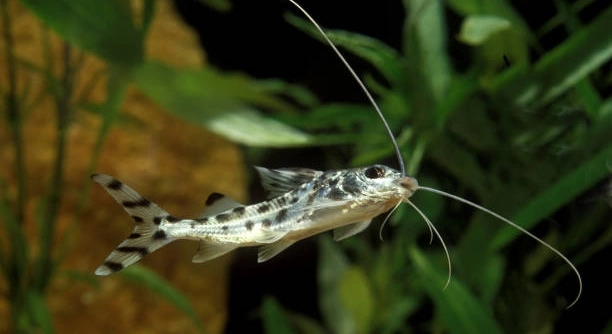
Pictus catfish are popular freshwater fish known for their active behavior and striking appearance. Many aquarium owners want to keep them healthy and comfortable in their tanks. Temperature plays an important role in their overall well-being and longevity.
Pictus catfish are tropical fish and prefer warmer water between 74°F and 80°F. They are not well-suited to cold water environments, as lower temperatures can slow their metabolism and cause stress or illness. Maintaining stable, warm water is essential for their health.
Understanding the temperature needs of pictus catfish can help you create the best environment for them. This article will explain how cold water affects them and what steps to take to keep them thriving.
Why Cold Water Is Harmful to Pictus Catfish
Pictus catfish originate from tropical river systems, where the water remains warm year-round. When exposed to cold water, their bodies react negatively. Cold temperatures slow down their metabolism, making them less active and impairing digestion. This can lead to weakened immune systems, making them more vulnerable to diseases. Prolonged exposure to cold water may cause stress, which often results in loss of appetite and lethargy. In extreme cases, this stress can lead to fatal health complications. Proper water temperature helps maintain their energy levels and natural behaviors, such as active swimming and scavenging. Sudden temperature changes are especially dangerous, as they prevent the fish from adjusting properly. It is important to keep the tank temperature stable and avoid placing the aquarium near drafts or air conditioning vents. Monitoring water temperature regularly will help ensure the well-being of pictus catfish and prevent cold-related health issues.
Keeping the water temperature consistent supports the overall health and activity level of pictus catfish, reducing the risk of illness.
Controlling the temperature in your aquarium is crucial. Using reliable heaters and thermometers will help maintain the ideal range. Avoid sudden drops or spikes by insulating the tank and checking for drafts. If the room tends to be cold, consider using a heater with an adjustable thermostat to keep the water steady. Consistent warmth allows pictus catfish to behave naturally and stay healthy. If they are kept too cold, they may become sluggish and more prone to infections. Regular water changes with properly warmed water also prevent sudden temperature shifts. Taking these steps helps create a stable environment that supports the fish’s immune system and activity. It’s a small effort that pays off with a vibrant, lively tank where pictus catfish thrive comfortably.
How to Maintain Proper Water Temperature
Maintaining the right water temperature for pictus catfish involves consistent monitoring and adjustments. A reliable aquarium heater is essential for this purpose.
Selecting an aquarium heater with an adjustable thermostat is the best way to control water temperature precisely. Heaters designed for tropical fish usually cover the temperature range pictus catfish need. Position the heater near a good flow area in the tank to spread warmth evenly. Using a digital thermometer allows accurate daily checks to catch any unexpected changes. Avoid placing the tank near windows, doors, or vents where temperature fluctuations occur. If your home gets cold during certain seasons, additional insulation around the tank can help maintain heat. Also, prepare to adjust the heater settings with seasonal changes. Keeping a backup heater can prevent sudden temperature drops during heater failure. These simple measures will ensure a stable, warm environment ideal for pictus catfish, supporting their health and natural activity.
Signs Your Pictus Catfish Is Too Cold
If your pictus catfish is too cold, it will show clear signs. It may become sluggish, stop swimming actively, and hide more than usual. Loss of appetite and pale coloration are also common indicators of cold stress.
When pictus catfish are exposed to cold water, their metabolism slows down, affecting their behavior. They may rest near the bottom or in corners, avoiding movement. This lethargy results from their bodies trying to conserve energy. You might also notice reduced feeding interest, which can lead to weight loss and weakened immune response. Color fading is another symptom, as cold stress impacts their natural pigmentation. These signs should not be ignored, as prolonged exposure to low temperatures can result in serious health problems or death. Observing your fish regularly helps catch these issues early.
Addressing cold stress quickly is important. Gradually warming the water back to the ideal temperature range can restore their normal activity. Avoid sudden temperature changes to prevent further shock.
Adjusting Your Tank for Seasonal Changes
Seasonal temperature shifts can affect your aquarium. Cold winter air can lower tank temperature, so adjustments are needed to keep the water stable. Proper insulation and heater settings are key.
During colder months, the surrounding room temperature may drop, causing the tank water to cool. Use insulating materials around the aquarium, such as foam or blankets designed for tanks, to help retain heat. Check the heater’s thermostat to ensure it maintains the target temperature. You may need to raise the heater’s setting slightly during winter to compensate for the colder environment. Regular temperature checks become more important as external conditions fluctuate. Avoid placing the tank near drafty windows or doors, as these cause rapid changes. Making these adjustments helps protect pictus catfish from stress caused by cold water, maintaining their health throughout seasonal changes.
Can Pictus Catfish Adapt to Cooler Temperatures?
Pictus catfish have limited ability to adapt to cooler water. While they may survive mild drops, prolonged exposure to temperatures below their preferred range harms their health and activity.
Gradual temperature changes can sometimes help fish adjust, but pictus catfish do best in stable, warm environments. Sudden or extended cold stress weakens their immune system and can lead to illness.
Feeding Habits in Cold Water
Cold water slows pictus catfish’s digestion, reducing their appetite and energy. Feeding should be adjusted to avoid overfeeding during cooler periods.
Using Tank Heaters Safely
Always use a reliable heater with a thermostat to keep water at the right temperature. This prevents dangerous temperature swings that harm your fish.
What is the ideal temperature range for pictus catfish?
The ideal temperature for pictus catfish is between 74°F and 80°F (23°C to 27°C). Staying within this range ensures their metabolism works properly, keeping them active and healthy. Temperatures outside this range, especially colder, cause stress and health problems.
Can pictus catfish survive in water colder than 70°F?
They can survive short periods in water slightly below 70°F, but it is not recommended. Prolonged exposure to cold water slows their metabolism, weakens their immune system, and can lead to illness or death. Keeping water temperature stable is critical.
How quickly should I warm cold tank water for pictus catfish?
Warm the water gradually by about 1–2°F per day. Rapid temperature changes cause stress and can shock the fish. Use a reliable heater and monitor the temperature closely to ensure a steady, safe increase.
Do pictus catfish behave differently in cold water?
Yes. In colder water, pictus catfish become lethargic and less active. They may hide more and stop eating regularly. Their natural swimming and scavenging behavior slows significantly, signaling discomfort and stress.
Can pictus catfish adapt to seasonal temperature changes?
They have limited adaptability. Mild seasonal drops can be tolerated if the temperature stays within or near their preferred range. Significant or rapid drops will cause stress. Using heaters and insulation helps maintain stable conditions year-round.
What are the signs of cold stress in pictus catfish?
Common signs include lethargy, loss of appetite, pale color, and hiding more than usual. Sometimes they float near the surface or rest at the bottom. Early detection is important to prevent health decline.
Is it safe to turn off the heater overnight if the room is warm?
It depends on the room temperature. If the ambient temperature stays above 74°F, it may be safe temporarily. However, fluctuating temperatures can cause stress. It’s generally better to keep the heater on for consistent warmth.
How do I properly use a heater in a pictus catfish tank?
Choose a heater with an adjustable thermostat suitable for your tank size. Place it near water flow for even heat distribution. Check the temperature daily with a thermometer. Never use a heater without a thermostat as it risks overheating.
Can pictus catfish live with other fish in cooler water?
Most tropical fish, including pictus catfish, prefer warm water. Keeping them with fish that tolerate cooler temperatures may cause conflicts, as each species has different needs. Matching species with similar temperature requirements is best.
What should I do if my pictus catfish shows signs of cold stress?
Gradually raise the water temperature to the ideal range. Avoid sudden temperature changes. Monitor their behavior and appetite closely. If they show signs of illness, consult an aquatic veterinarian or specialist for treatment advice.
Are there alternative ways to keep the tank warm besides heaters?
Heaters are the most reliable method. Insulating the tank with foam or blankets can reduce heat loss. Keeping the aquarium away from drafts and cold windows helps maintain temperature. In some cases, room heaters may assist but aren’t a substitute for an aquarium heater.
How often should I check the water temperature?
Daily temperature checks are recommended. Sudden changes can happen due to room conditions or heater issues. Using a digital thermometer provides accurate readings. Regular monitoring helps catch problems early and keeps the environment stable.
Can cold water cause diseases in pictus catfish?
Yes. Cold water weakens the immune system, making fish more vulnerable to infections like fungal or bacterial diseases. Maintaining proper temperature reduces stress and supports their natural defenses.
What temperature fluctuations are harmful to pictus catfish?
Fluctuations greater than 3–5°F within a short period can stress pictus catfish. Repeated changes disrupt their metabolism and immune system. Keeping temperature consistent is important for their health and longevity.
Is it necessary to acclimate pictus catfish to new tank temperatures?
Yes. When moving fish to a new tank or adjusting temperature, acclimate slowly. This reduces shock and stress. Gradual changes help fish adjust safely to their new environment.
Can pictus catfish survive without a heater in tropical climates?
In consistently warm climates where water temperature remains stable in the ideal range, a heater may not be necessary. However, most homes experience temperature fluctuations, so a heater provides security for stable conditions.
What equipment helps maintain stable water temperature?
Reliable aquarium heaters with thermostats and quality thermometers are essential. Tank insulation and covers reduce heat loss. Monitoring devices and alarms can alert you if temperature drifts outside safe limits.
How does water temperature affect pictus catfish breeding?
Proper temperature is important for breeding success. Warmer water within their preferred range encourages natural behaviors and spawning. Cold or fluctuating temperatures can prevent breeding or harm developing eggs and fry.
Can sudden temperature drops kill pictus catfish?
Yes. Sudden, significant drops cause shock, which can be fatal. Avoid placing tanks near doors, windows, or vents. Use heaters and insulation to prevent abrupt temperature changes.
What is the best way to introduce pictus catfish to a new tank regarding temperature?
Ensure the new tank is fully cycled and at the correct temperature before introduction. Acclimate the fish slowly to the tank water temperature over several hours to minimize stress and shock.
Pictus catfish require warm and stable water temperatures to thrive. Their natural habitat is in tropical waters, so they are not built to handle cold conditions well. When the water temperature drops below their preferred range of 74°F to 80°F, their health and activity suffer. Cold water slows their metabolism, makes them less active, and can weaken their immune system. This leaves them vulnerable to illness and stress. Because of this, maintaining a consistent and appropriate water temperature is one of the most important factors in caring for pictus catfish.
Keeping the water warm often means using a good-quality aquarium heater with a thermostat. This device helps maintain a steady temperature and prevents sudden drops that could harm the fish. It is important to place the heater properly in the tank to ensure even heat distribution. Regularly monitoring the water temperature with a reliable thermometer is also necessary. Small temperature fluctuations are normal, but large or rapid changes should be avoided. Simple steps like insulating the tank and avoiding placing it near drafts or air conditioning vents can also help keep the temperature stable, especially during colder seasons.
Understanding the temperature needs of pictus catfish will help you create the best environment for them. If the water gets too cold, the fish will become sluggish, lose their appetite, and may even develop health problems. Watching for these signs and taking action quickly is important for their well-being. By providing consistent warmth and stable conditions, you help pictus catfish stay active, healthy, and happy in your aquarium. Proper care in this area supports their natural behaviors and long-term health, making your tank a better home for these lively fish.

Hello,
If you enjoy the content that we create, please consider saying a "Thank You!" by leaving a tip.
Every little bit helps us continue crafting quality advice that supports the health, happiness, and well-being of pets around the world, for pets of all shapes, sizes, and species.
We really appreciate the kindness and support that you show us!