
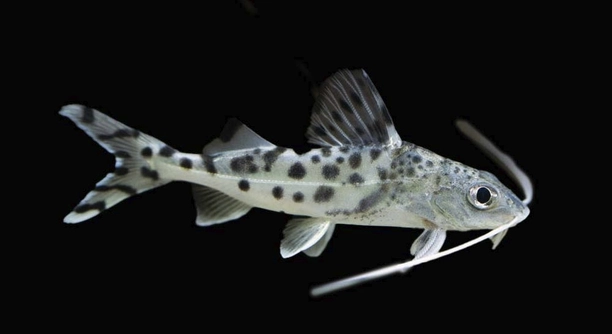
Pictus catfish are popular freshwater fish known for their active and social nature. Many aquarium owners enjoy watching them interact with their tankmates. Understanding their behavior helps create a healthy environment for these lively fish.
Pictus catfish do not typically get bored of their tankmates. They are social creatures that benefit from the presence of compatible fish. Proper tank conditions and variety in the environment reduce stress and encourage natural behaviors, promoting their well-being.
Learning how tankmates affect pictus catfish can improve your aquarium’s harmony and your fish’s overall health. This article explores key points to keep your catfish content and thriving.
Understanding Pictus Catfish Behavior
Pictus catfish are naturally active swimmers that enjoy exploring their surroundings. They tend to be social, often schooling with other catfish or peaceful fish. When housed with compatible tankmates, they show less stress and more natural behavior, such as foraging and playing. A tank with a variety of hiding spots and open swimming space helps keep them engaged. These catfish use their barbels to sense food and changes in the environment, which makes them curious and alert. If their environment lacks stimulation or if aggressive tankmates are present, pictus catfish may become stressed or shy. Observing their behavior regularly allows you to notice any changes that might indicate discomfort. Keeping a clean tank and stable water conditions supports their health and helps maintain a peaceful community.
Pictus catfish generally thrive with calm, non-aggressive fish. They do best in groups of five or more to encourage natural social behavior.
Providing a balanced environment for pictus catfish means choosing peaceful tankmates that share similar water needs. Avoid overly aggressive or large fish that could stress them out. Adding plants, driftwood, and hiding places offers security and reduces boredom. Regularly changing decorations or rearranging the tank can refresh their interest. Feeding them a varied diet also keeps them active and healthy. Watching how they interact with other fish can guide adjustments to improve their comfort. Keeping the water clean and maintaining proper temperature and pH levels further supports their well-being. When pictus catfish feel secure and stimulated, they display their lively and curious nature, making your aquarium more enjoyable to watch.
Signs of Boredom or Stress in Pictus Catfish
Pictus catfish that are bored or stressed may hide excessively or stop swimming actively. They might also show reduced appetite or unusual aggression.
Stress and boredom often come from poor tank conditions or unsuitable tankmates. Fish can become lethargic or overly shy when they feel threatened or unstimulated. Signs include hiding in the same spot for long periods, frayed fins, or excessive hiding. Environmental factors like poor water quality or overcrowding can worsen these behaviors. Offering variety in the tank and maintaining clean water is essential. Observing their daily behavior helps catch issues early. Ensuring a stable environment and peaceful companions prevents boredom and stress, allowing pictus catfish to stay healthy and active over time.
Tankmate Compatibility
Choosing the right tankmates is essential for pictus catfish to stay calm and engaged. Peaceful species with similar size and temperament work best.
Some good tankmates for pictus catfish include small tetras, rasboras, and peaceful bottom dwellers like corydoras. Avoid aggressive or very large fish that might bully or stress them. Mixing too many territorial species can lead to conflict and stress. Pictus catfish are active at night, so tankmates that are calm during those hours help maintain balance. Providing a diverse but peaceful community supports their social needs and encourages natural interaction without overcrowding or aggression.
Tank size matters when combining species. Larger tanks give more space to reduce stress, while smaller tanks can increase tension. Ensure hiding places and plants are available to offer refuge. Keeping water parameters consistent for all species is important, as pictus catfish prefer slightly acidic to neutral pH and moderate temperatures. Careful selection of compatible species helps your aquarium feel stable and reduces the chances of pictus catfish becoming anxious or bored.
Enriching the Aquarium Environment
Adding decorations and plants creates interest and stimulation for pictus catfish. They enjoy exploring caves and crevices.
Live plants like java fern or anubias provide cover and improve water quality. Driftwood and rocks offer hiding spots where catfish can rest safely. Rearranging these items occasionally refreshes their environment and encourages curiosity. A varied environment mimics their natural habitat and keeps them mentally engaged. Avoid overcrowding the tank with decorations, as pictus catfish need open swimming areas too. Clean, flowing water also helps simulate their river home, keeping them active and healthy.
Lighting and water flow impact their activity levels. Dimmer lighting often makes them feel more secure and encourages natural behavior. Gentle water flow helps distribute oxygen and mimics river currents. Using a quality filter and regular maintenance ensures a stable habitat. With the right environment, pictus catfish show more energy and social interaction, reducing the chance of boredom or stress. Adjustments based on observation will keep your tank balanced and your fish happy.
Feeding Habits and Interaction
Pictus catfish enjoy a varied diet that keeps them active and interested. They are bottom feeders but also search for food throughout the tank.
Feeding small amounts multiple times a day helps maintain their energy. Live or frozen foods like bloodworms and brine shrimp stimulate natural hunting behavior and provide enrichment.
Tank Maintenance and Its Effects
Regular tank cleaning and stable water conditions are crucial for pictus catfish health. Dirty water can cause stress and reduce activity levels. Frequent water changes and monitoring water parameters keep the environment safe. Stable temperatures and balanced pH prevent illness and help catfish stay lively and social.
Observing Your Catfish
Watching your pictus catfish closely helps catch early signs of boredom or stress. Changes in swimming patterns or appetite indicate something may be wrong. Early detection allows timely adjustments to their environment or care routine, improving their overall well-being.
Can pictus catfish get bored of their tankmates?
Pictus catfish are social animals but do not get bored of their tankmates in the way humans think of boredom. They rely on stimulation from their environment and the presence of compatible fish to stay active and healthy. If their tankmates are peaceful and the environment is varied, pictus catfish remain engaged and curious. Lack of stimulation or aggressive neighbors can cause stress, which might be mistaken for boredom. Proper tank setup and thoughtful community planning prevent these problems.
How many pictus catfish should be kept together?
It is best to keep pictus catfish in groups of at least five. They are schooling fish and feel safer and more confident in numbers. Smaller groups may cause them to be shy or stressed. Larger groups encourage natural social behaviors and reduce loneliness. However, tank size should be sufficient to accommodate the group comfortably, offering enough space for swimming and hiding spots.
What tankmates are best for pictus catfish?
Good tankmates include peaceful fish such as small tetras, rasboras, guppies, and corydoras catfish. Avoid aggressive or territorial fish that might harass pictus catfish. It’s important to select species with similar water requirements and temperaments. Avoid overly large or fin-nipping fish. Careful selection of compatible tankmates supports a calm and balanced community, promoting the well-being of all fish.
How often should I feed pictus catfish?
Feeding pictus catfish small portions two to three times daily works well. They are bottom feeders but will explore the tank for food. A varied diet of sinking pellets, frozen or live bloodworms, brine shrimp, and occasional vegetables keeps them healthy and interested. Avoid overfeeding, as leftover food can pollute the tank and harm water quality.
Can changing the tank environment help prevent boredom?
Yes, changing tank decorations, rearranging plants, or adding new hiding places can stimulate pictus catfish. These fish enjoy exploring and will investigate new objects. Keeping the environment dynamic encourages natural behaviors like foraging and hiding. Just be careful not to stress them with too many changes at once. Regular updates keep their habitat interesting and reduce signs of inactivity or stress.
What are signs of stress or boredom in pictus catfish?
Signs include excessive hiding, lack of movement, loss of appetite, or unusual aggression. Sometimes pictus catfish may become lethargic or refuse to interact with other fish. Poor water quality or aggressive tankmates often cause these behaviors. Observing your fish regularly helps identify these signs early. Acting quickly by improving tank conditions or adjusting the community can help restore their health and activity.
Does tank size affect pictus catfish behavior?
Tank size greatly influences pictus catfish comfort and activity. They need enough room to swim freely and explore. Smaller tanks limit movement and increase stress, especially if overcrowded. A minimum of 30 gallons is recommended for a small group. Larger tanks offer more space for hiding spots and social interaction. Proper tank size reduces boredom and promotes natural behaviors.
How important is water quality for pictus catfish?
Water quality is critical to pictus catfish health and behavior. Dirty or unstable water can stress them, making them less active or prone to disease. Regular water changes, filtration, and monitoring of pH, ammonia, nitrite, and nitrate levels keep the environment safe. Maintaining stable temperature and oxygen levels supports their energetic and social nature. Good water quality encourages normal behavior and longevity.
Can pictus catfish live with aggressive fish?
It’s not recommended to keep pictus catfish with aggressive or highly territorial species. These conditions cause stress, fear, and injury. Pictus catfish are peaceful and thrive with calm tankmates. Aggressive fish can dominate feeding areas and chase them, leading to poor health and inactivity. Choosing a peaceful community is key for a harmonious tank.
Do pictus catfish interact with their owners?
Pictus catfish are shy but can recognize feeding times and movements near the tank. They may swim closer when you approach if they associate you with food. They don’t typically interact like some other fish but show curiosity through their active swimming and exploring. Feeding and tank maintenance routines help build trust and positive recognition over time.
How can I keep my pictus catfish mentally stimulated?
Providing a varied diet, interesting tank decor, and compatible tankmates helps keep pictus catfish engaged. Offering live or frozen foods encourages natural hunting instincts. Rearranging tank decorations occasionally adds new exploration opportunities. Keeping the water clean and stable also promotes healthy, active behavior. Regular observation and small changes tailored to your catfish’s behavior help maintain their interest and well-being.
What should I avoid to prevent pictus catfish boredom or stress?
Avoid overcrowding, aggressive tankmates, poor water quality, and a dull environment. Stagnant or small tanks limit movement and natural behavior. Neglecting water changes and filtration reduces oxygen and increases toxins. Constant noise or sudden changes can also upset them. Ensuring a stable, peaceful, and enriching tank environment supports their social and active nature.
Pictus catfish are lively and social fish that need a comfortable and stable environment to thrive. Their behavior depends a lot on the tank setup and the other fish they live with. When kept with peaceful tankmates and in a well-maintained aquarium, they usually stay active and healthy. They do not get bored of their tankmates like humans do, but they do need stimulation and a safe space to feel secure. Providing enough space, hiding spots, and a varied diet helps keep them engaged and stress-free.
Taking care of pictus catfish means paying close attention to their environment. Clean water and proper tank conditions are very important to their well-being. Poor water quality or aggressive fish nearby can make them shy or stressed. On the other hand, a balanced community with compatible fish allows pictus catfish to show their natural behavior. It’s important to watch them regularly to notice any changes in how they act. This way, adjustments can be made quickly to improve their comfort and health.
In the end, pictus catfish can live happily in a home aquarium when their needs are met. Choosing suitable tankmates, keeping the water clean, and enriching their environment are key to preventing stress and inactivity. These simple steps help your fish feel more natural and active, making your aquarium a peaceful and enjoyable place. Remember, a healthy tank means happy fish, and happy fish mean a more rewarding experience for anyone caring for them.

Hello,
If you enjoy the content that we create, please consider saying a "Thank You!" by leaving a tip.
Every little bit helps us continue crafting quality advice that supports the health, happiness, and well-being of pets around the world, for pets of all shapes, sizes, and species.
We really appreciate the kindness and support that you show us!