
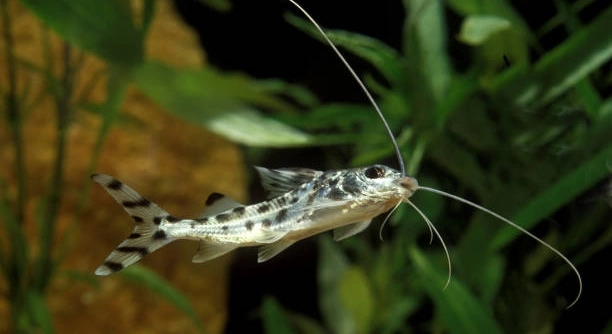
Have you ever watched your pictus catfish swirl around during feeding time and wondered how they seem to know it’s coming?
Pictus catfish are capable of detecting feeding time by scent due to their sensitive barbels, which help them identify chemical cues in the water. This sensory ability allows them to anticipate meals based on familiar smells.
These small catfish rely heavily on their environment, and their sense of smell plays a bigger role in their daily routine than you might expect.
How Scent Plays a Role in Feeding Behavior
Pictus catfish rely on more than just sight when it comes to feeding. These fish are equipped with long, sensitive barbels that act like underwater antennas, helping them detect scents in their environment. In nature, they use this sense to locate small prey hiding in the substrate or plants. In an aquarium setting, they adapt this behavior by picking up on food particles or familiar chemical cues in the water. Over time, they begin to associate specific scents with feeding times. This connection can become strong, especially when feeding happens on a regular schedule. As soon as they sense a familiar food scent, their activity increases and they start swimming more quickly, often heading toward the surface or where food is usually dropped. This scent recognition helps them react quickly and secure food before others in a shared tank do. It’s a natural adaptation that works well in captivity too.
Pictus catfish don’t just use their eyes to find food—they depend heavily on their sense of smell, especially during low light conditions.
Keeping a consistent feeding schedule can make it easier for your pictus catfish to recognize when food is coming. Over time, they’ll become more active as soon as they smell it.
The Role of Routine and Environment
Pictus catfish can become accustomed to specific feeding times, especially when they are kept on a routine schedule in a stable environment.
A consistent feeding routine helps condition pictus catfish to respond to scent cues more predictably. When food is introduced at the same time daily, the scent becomes part of their expected environment. Water temperature, lighting, and tank mates can also affect how they react. A peaceful and well-maintained tank helps reduce stress, making them more responsive to feeding cues. Fish kept in tanks with sudden changes or inconsistent care might not develop the same behavior. Over time, they may associate not just the smell but also sounds like the lid opening or the motion of a hand above the tank with food. Although they don’t learn the way mammals do, repeated exposure to the same scents and events can create a clear pattern. This reinforces their natural instincts and builds a reliable feeding response.
How Memory and Repetition Affect Response
Pictus catfish may not remember things the way humans do, but they can form basic patterns over time. Repetition, especially tied to scent, helps strengthen their response to feeding.
When feeding becomes part of a daily pattern, the fish start reacting to certain cues more quickly. These include the scent of the food, the time of day, or even vibrations in the water. Their brain isn’t built for complex memory, but it can form associations through consistent repetition. This means if you feed them at the same time every day, they will likely begin to anticipate it. Scent acts as the most powerful trigger in this process, since it reaches them first and travels through the water faster than visual signs. Once they detect it, they start swimming actively, searching for food. This kind of repeated exposure builds a routine they can recognize.
The reaction often becomes stronger when the food is something they enjoy or when they’re extra hungry. Over time, they begin showing more noticeable behavior even before food enters the tank. This may include circling their usual feeding spot, staying closer to the top of the water, or swimming more rapidly. The longer the routine continues, the more reliable their response becomes. Although this isn’t memory in the traditional sense, it’s a strong behavioral pattern that shows how simple repetition can shape their habits. Scent is only part of the process, but it plays a major role in how quickly they respond.
Common Signs Your Fish Recognizes Feeding Time
You may notice certain behaviors right before feeding time, especially if your schedule has been consistent. Swimming near the surface, moving quickly, or waiting near the usual feeding spot can all be signs of anticipation.
Pictus catfish don’t always show the same reactions, but their activity level is often the clearest indicator. If your fish becomes more alert when you walk into the room, or starts moving faster before you even reach for the food container, this can mean it has linked your presence to feeding. Sometimes, they’ll start swimming in patterns, nudging the glass, or even bumping into tank mates in their excitement. These behaviors aren’t random—they build up when routines are followed closely. Even a small cue like the sound of the lid being opened can trigger this reaction. When combined with the scent of the food, these signs become more pronounced and easy to spot.
Factors That Might Disrupt Feeding Response
Changes in water quality can affect how well your pictus catfish reacts to feeding time. Poor conditions may dull their senses or lower their activity, making it harder for them to notice familiar food scents.
Adding new tank mates or rearranging decorations can confuse them temporarily. These changes shift their focus and may break the routine they’ve grown used to.
The Impact of Different Foods on Recognition
Pictus catfish often respond more strongly to certain foods. High-protein options like bloodworms or shrimp tend to have a stronger scent, which can grab their attention faster. On the other hand, bland or pellet-based foods may trigger a slower response, especially if the fish isn’t used to them. If you rotate foods too often, they might not link one specific scent to feeding time. But if you keep a few favorites in the mix, they can still develop a reliable association. Stronger-smelling foods can help build a quicker response, especially when fed consistently in the same area of the tank.
When to Be Concerned
If your pictus catfish stops reacting to feeding time, it could be a sign of stress or illness. Watch for other signs like hiding, color changes, or skipping meals.
FAQ
Can pictus catfish smell food in the water?
Yes, pictus catfish have a very strong sense of smell. Their barbels, or whisker-like structures, help detect scent molecules in the water. Even before the food hits the tank floor, they can begin reacting to its scent. This natural ability is especially useful in darker environments or low-visibility conditions. Once they associate a specific smell with feeding, their response becomes even faster and more predictable.
How long does it take for them to learn feeding time?
It depends on how consistent your routine is. Some pictus catfish begin reacting within a few days, while others may take a few weeks. Feeding them at the same time every day helps them build a habit more quickly. Pairing this with the same type of food or feeding process can make the response stronger. Repetition is key, especially when you’re trying to establish a reliable pattern.
Do they rely more on smell or sight?
Pictus catfish rely more on smell than sight. They are mostly nocturnal and often feed in low-light settings. Their eyes are functional but not their primary tool for finding food. Instead, they use their barbels to sense chemical signals in the water. This allows them to navigate and locate food even in dark or murky conditions.
What if my fish doesn’t respond to food scent anymore?
If your fish stops reacting to food smells, it could be due to stress, illness, or poor water quality. You might also be overfeeding, causing a lack of interest. Check the tank’s temperature, filtration, and ammonia levels. Try offering a stronger-smelling food like bloodworms or shrimp to test their response. If the issue continues, it might be worth consulting an aquatic vet or doing a partial water change.
Can they recognize people or sounds related to feeding?
Over time, pictus catfish can associate your presence or certain sounds with food. The sound of the tank lid opening, footsteps, or even shadows above the tank may trigger feeding behavior. While they don’t recognize you like a dog or cat might, they can learn to associate repeated actions or noises with something positive, like being fed.
Does tank lighting affect feeding behavior?
Yes, lighting can affect their activity level. Since they are more active during the evening or in dim lighting, feeding them during low-light periods may make them more responsive. Bright lights might make them hide, especially if they feel exposed. Try feeding them when the lighting is softer or gradually dimming lights before feeding time.
Is it okay to change feeding times once in a while?
Occasional changes are fine, but frequent shifts can confuse your fish. Pictus catfish thrive on routine, so keeping a regular schedule helps maintain their anticipation and feeding response. If you do need to change the time, try doing it gradually to help them adjust without stress.
Why do they act restless before I feed them?
That restlessness is often a sign they’ve learned the routine. The scent of food, changes in movement near the tank, or even small vibrations can signal feeding time. This triggers excitement, making them swim faster, hover near the surface, or search the tank more actively.
Can feeding routines help with tank harmony?
Yes, routines can reduce stress and limit aggressive behavior. When fish know food is coming at a certain time, they’re less likely to compete aggressively or overeat. It helps create balance, especially in tanks with multiple fish. A calm feeding time also reduces mess and uneaten food buildup.
Is overfeeding a reason they stop responding to scent?
Definitely. If your fish is full, it won’t be as eager to respond to the smell of food. Overfeeding can also cause water quality to drop, which dulls their senses and lowers activity levels. Feed only what they can eat in a few minutes and remove leftovers quickly.
Final Thoughts
Pictus catfish are interesting little creatures that rely on more than just sight to find their food. Their strong sense of smell, helped by their sensitive barbels, allows them to detect even small traces of food in the water. This skill is especially useful in tanks with low lighting or murky conditions. When kept on a consistent feeding schedule, these fish can begin to recognize not only the smell of their food but also other small cues like sounds or movements. Over time, this can lead to a clear routine where they become more active right before being fed. These changes are not random—they come from regular feeding patterns that your fish have started to expect and prepare for.
Keeping a steady routine helps strengthen their feeding response. If you always feed at the same time and use similar food, your pictus catfish is more likely to link those scents and actions to food. When they learn what to expect, they tend to show signs of excitement, like swimming faster or gathering near the usual feeding spot. A calm and clean environment also helps. Dirty water, poor lighting, or sudden tank changes may confuse them or dull their senses, making them less likely to respond to feeding cues. Watching how your fish act around feeding time can tell you a lot. If they stop reacting, it might be time to check the tank or rethink your feeding routine.
Understanding how scent plays a role in your fish’s behavior can help you care for them better. It’s not just about dropping food in the tank—it’s about creating a pattern they can rely on. That doesn’t mean you can never change things, but it does mean that routine matters. Small details, like the smell of the food or the time you feed, can shape how your pictus catfish behaves. When you notice them swimming around with more energy or waiting near the surface, it’s not just instinct—it’s learned behavior from your regular care. These patterns are easy to build and even easier to keep going once they start. With a little attention to routine and environment, your pictus catfish will stay healthy, alert, and ready for feeding time.

Hello,
If you enjoy the content that we create, please consider saying a "Thank You!" by leaving a tip.
Every little bit helps us continue crafting quality advice that supports the health, happiness, and well-being of pets around the world, for pets of all shapes, sizes, and species.
We really appreciate the kindness and support that you show us!