
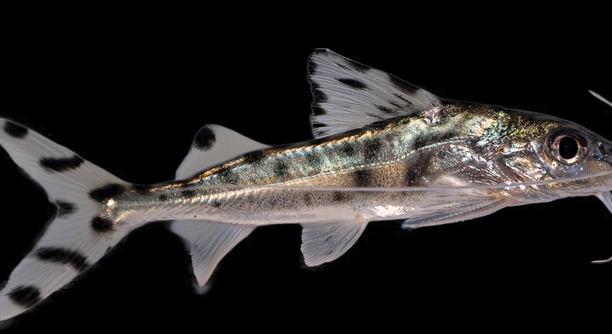
Many aquarium owners enjoy combining different fish species to create a lively tank environment. Bettas and Pictus catfish are popular choices, each with unique behaviors and needs. Understanding their compatibility can help maintain a peaceful aquarium.
Pictus catfish and bettas can coexist under certain conditions, such as sufficient space and hiding spots. Pictus catfish are fast and active bottom dwellers, while bettas tend to occupy the middle and top levels. Proper tank setup reduces aggression and stress for both species.
Knowing how to balance their environment ensures a harmonious community tank. This article will explore important factors for successfully housing these fish together.
Understanding Pictus Catfish Behavior
Pictus catfish are known for their active nature and fast swimming, especially during feeding times. They prefer to stay near the bottom of the tank and enjoy hiding places like caves or plants. Their social behavior usually requires keeping them in groups of at least three to prevent stress and aggression. While they are generally peaceful, their quick movements and occasional nipping can startle slower or more territorial fish like bettas. Pictus catfish have sensitive barbels, so a soft substrate is ideal to avoid injury. Maintaining good water quality is essential because these fish are sensitive to poor conditions. Providing a tank size of at least 30 gallons helps create enough space for them to swim freely without feeling cramped. This room also reduces territorial disputes and keeps stress levels low for all tank inhabitants.
Because they are nocturnal, pictus catfish are more active in dimmer light, which can help minimize conflicts with bettas.
Keeping the lighting low and offering multiple hiding spots helps both species feel secure. This balance supports their natural behavior and reduces chances of aggression, making the aquarium more peaceful overall.
Bettas and Their Territorial Nature
Bettas are known for their bright colors and flowing fins, but they can be quite territorial. This trait means that bettas may feel threatened by fast-moving tank mates, especially those that swim through their space quickly. Male bettas, in particular, tend to guard their area fiercely. They often occupy the middle and top parts of the aquarium, where they patrol regularly. Because bettas are labyrinth fish, they need access to the water’s surface to breathe air, so tank setup should allow for easy access. Bettas prefer calm waters and may become stressed if the tank has too much activity or if their space feels invaded. To reduce stress, it’s helpful to provide plants or decorations where bettas can rest and hide. Introducing bettas to a community tank requires careful observation during the first few days to spot any signs of aggression. Adjustments such as rearranging decorations or separating fish may be necessary if conflicts arise. Creating clear territories and ensuring enough space can help bettas coexist more peacefully with other fish like pictus catfish.
Tank Setup for Coexistence
A proper tank setup is essential to help pictus catfish and bettas live together peacefully. Providing plenty of hiding spots and open swimming areas reduces stress for both species.
Using plants, rocks, and driftwood creates territories and shelters. This separation helps reduce unwanted encounters, especially since bettas can be territorial. The tank should be at least 30 gallons to give enough space. Soft substrates like sand protect the pictus catfish’s barbels. Also, low lighting and gentle water flow suit both species, preventing bettas from becoming stressed. Regular water changes keep conditions stable, which is vital since both fish are sensitive to poor water quality. Finally, ensure the tank has a secure lid because bettas can jump, and pictus catfish are known to be good jumpers too.
Feeding Differences and Compatibility
Pictus catfish are bottom feeders and prefer sinking pellets or live foods like bloodworms and brine shrimp. Bettas primarily eat floating pellets or flakes and occasional live foods. Feeding both species the right food types separately prevents competition and aggression.
Pictus catfish have sensitive barbels that can be damaged by rough food or substrate, so soft sinking pellets are best. Bettas need protein-rich diets to stay healthy, but overfeeding should be avoided to prevent water pollution. Feeding schedules should be consistent but timed differently if possible, so each fish gets enough food without rushing or fighting. Observation during feeding helps ensure neither fish is stressed or hungry. Overall, knowing their feeding habits supports their coexistence and wellbeing.
Maintaining a clean tank is important since uneaten food can quickly dirty the water, causing stress or disease. Regular cleaning, combined with proper feeding, keeps the environment balanced for both species.
Monitoring Behavior Closely
Careful observation is necessary when pictus catfish and bettas share a tank. Early signs of stress or aggression need attention to avoid serious conflicts.
Watching their interactions daily helps detect any chasing, nipping, or hiding that lasts too long. Immediate adjustments can prevent harm and improve coexistence.
Signs of Aggression to Watch For
Aggressive behavior can show as chasing, fin nipping, or persistent territorial guarding by bettas. Pictus catfish may dart quickly to escape or become withdrawn. If aggression increases, separating the fish may be necessary to protect both species. Providing more hiding places or rearranging the tank layout often helps reduce tension. Early intervention improves the chances of a peaceful community tank.
Water Parameters
Stable water parameters are crucial for the health of both species. Temperatures between 75-80°F and a pH of 6.5-7.5 suit both bettas and pictus catfish well.
Breeding Considerations
Breeding these species together is not recommended due to their different behaviors and needs.
FAQ
Can pictus catfish and bettas live together peacefully?
Yes, pictus catfish and bettas can coexist peacefully with proper care. Providing enough space, hiding spots, and a calm environment helps minimize stress and aggression. Bettas usually stay near the top, while pictus catfish stay at the bottom, reducing territorial conflicts.
What size tank is best for keeping pictus catfish and bettas together?
A tank of at least 30 gallons is recommended. This size offers enough room for both species to establish their territories and swim freely. More space also reduces stress and helps keep water quality stable.
Do pictus catfish bother bettas?
Pictus catfish are generally peaceful but are very active and fast swimmers. Their movement can startle bettas, especially shy or less confident ones. Proper tank setup with hiding spots helps lessen any negative impact.
What kind of substrate is best for pictus catfish?
Soft substrates like sand are best because pictus catfish have sensitive barbels that can be damaged by rough gravel. Sand allows them to forage safely without injury.
How should I feed pictus catfish and bettas in the same tank?
Feed pictus catfish sinking pellets or live foods near the bottom. Bettas prefer floating pellets or flakes near the surface. Feeding them separately or at different times ensures each fish gets proper nutrition without competition.
Can bettas and pictus catfish breed in the same tank?
Breeding bettas and pictus catfish together is not advisable. They have very different breeding behaviors and needs. Bettas are territorial during breeding, and pictus catfish do not interact with bettas in this way.
What signs indicate stress or aggression between pictus catfish and bettas?
Signs include chasing, fin nipping, hiding excessively, or loss of appetite. Bettas may flare their fins often, and pictus catfish might dart nervously. Noticing these early helps prevent serious conflicts.
How often should water be changed in a tank with bettas and pictus catfish?
Regular water changes of about 20-30% weekly help maintain clean water. Both species are sensitive to poor water quality, so stable parameters are essential for their health.
Can lighting affect the behavior of bettas and pictus catfish?
Yes, bettas prefer moderate lighting, while pictus catfish are more active in dimmer conditions. Using adjustable or low lighting can create a comfortable environment for both species and reduce stress.
Are bettas aggressive towards pictus catfish at night?
Bettas are less active at night, which reduces aggression. Pictus catfish are nocturnal and become more active in low light. This natural rhythm usually helps avoid conflicts during nighttime.
Is it necessary to keep pictus catfish in groups?
Yes, pictus catfish are schooling fish and feel safer in groups of three or more. Keeping them alone can cause stress and unusual behavior. A group provides social comfort and encourages natural activity.
What should I do if aggression becomes a problem?
If aggression persists, increase hiding places or rearrange the tank decorations to disrupt established territories. If problems continue, separating the fish temporarily or permanently might be necessary to prevent harm.
Can pictus catfish jump out of the tank?
Yes, pictus catfish are known to jump, especially if stressed or startled. A secure lid on the tank is important to prevent escapes and injuries.
How do I maintain water temperature for both species?
Keep the water temperature stable between 75°F and 80°F. Both bettas and pictus catfish thrive in this range, and sudden fluctuations can cause stress or illness.
Are pictus catfish compatible with female bettas?
Female bettas tend to be less aggressive than males, so they might tolerate pictus catfish better. However, individual temperaments vary, so monitoring their behavior is always important.
Can overcrowding increase problems between these fish?
Overcrowding raises stress and competition for space and food. It can lead to more aggression and health issues. Proper tank size and population limits are crucial for a peaceful environment.
Final Thoughts
Keeping pictus catfish and bettas together can work well if the right conditions are met. Both species have different behaviors and needs that must be respected for them to coexist peacefully. Pictus catfish are active bottom dwellers, while bettas prefer the middle and top areas of the tank. Providing enough space, hiding spots, and calm water conditions helps reduce stress and territorial disputes. It’s important to remember that each fish has its own personality, so some bettas may be more tolerant than others. Careful observation during the first weeks can help identify any signs of aggression or stress, allowing adjustments to be made quickly. Taking time to set up the tank properly will improve the chances of a harmonious aquarium.
Feeding habits also play a role in maintaining peace between these species. Pictus catfish need sinking pellets or live foods that settle on the bottom, while bettas usually eat floating pellets or flakes at the surface. Feeding both species separately or at different times can prevent food competition and aggression. It is important not to overfeed, as leftover food can quickly pollute the water and harm the fish. Maintaining clean water through regular changes supports their health and wellbeing. Both pictus catfish and bettas are sensitive to poor water quality, so testing parameters like temperature, pH, and ammonia levels should be part of the routine. Keeping the water stable helps keep the fish calm and reduces the risk of illness.
Overall, successful coexistence depends on careful planning and attention to the needs of each species. Tank size, decoration, lighting, and feeding routines all affect how well pictus catfish and bettas live together. Being patient and responsive to their behavior will make the experience more enjoyable. When these factors are managed properly, the tank can become a balanced and peaceful environment. This combination can offer interesting activity and visual appeal, with the unique traits of both fish on display. Understanding their differences and providing a suitable environment is key to helping pictus catfish and bettas thrive side by side.

Hello,
If you enjoy the content that we create, please consider saying a "Thank You!" by leaving a tip.
Every little bit helps us continue crafting quality advice that supports the health, happiness, and well-being of pets around the world, for pets of all shapes, sizes, and species.
We really appreciate the kindness and support that you show us!