
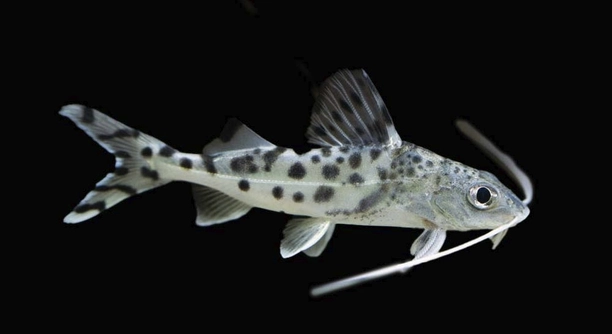
Can Pictus catfish be trained to take food by hand? Many fish owners enjoy the idea of interacting closely with their pets, especially through feeding. This article explores how Pictus catfish respond to hand feeding and what to expect.
Pictus catfish can learn to take food from a hand, but this requires patience and consistent training. These fish are cautious by nature and may take time to trust humans. With regular, gentle feeding sessions, they can become more comfortable and accept food directly.
Understanding how to approach hand feeding can improve your bond with these lively fish. The following information will guide you on training methods and tips to encourage this behavior safely.
Understanding Pictus Catfish Behavior
Pictus catfish are active and curious but naturally cautious fish. They spend most of their time near the bottom of the tank, exploring their surroundings. Their shy nature means they don’t immediately trust new objects or hands near them. When you first offer food by hand, they may swim away or hide. This reaction is normal and part of their survival instincts. Over time, with gentle and consistent feeding, they start recognizing your hand as a source of food rather than a threat. Their quick movements can be surprising at first, but patience helps build comfort. Observing their behavior closely lets you adjust how you feed them, improving the chances they will accept food by hand. Feeding them at the same spot and time each day also helps create a routine that encourages trust.
Their natural curiosity can help in training them to take food from your hand with time.
Pictus catfish rely on their sense of smell and movement to find food. They tend to respond better to slow, steady motions rather than sudden hand movements. It’s important to avoid forcing your hand into the tank quickly, as this can cause stress. Use small amounts of food during hand-feeding sessions so they don’t feel overwhelmed. Overfeeding can reduce their motivation to approach your hand. Gradually, they will learn that your presence means food, making them more willing to take it directly from you. This process strengthens the interaction and can make feeding time enjoyable for both you and your fish.
Tips for Training Pictus Catfish to Take Food by Hand
Start by offering food close to the water surface where your fish usually feed. Use their regular food to keep things familiar. Patience is key, as some catfish may take longer than others to adapt. Repeat the process daily and keep the environment calm during feeding times.
Training your Pictus catfish requires consistency and care. Begin by placing food near your hand without touching it to let them get used to your presence. Over several sessions, slowly bring the food closer to your fingers. Avoid sudden movements to prevent scaring them away. Offering food in small amounts helps maintain their interest and prevents overfeeding. Watching their behavior helps you know when they feel comfortable enough to take food directly. It’s important to respect their limits and not rush the process. The more positive the feeding experience, the more likely they will learn to accept food by hand. Maintaining a quiet and relaxed atmosphere during feeding sessions encourages trust and reduces stress for the fish.
Common Challenges When Hand-Feeding Pictus Catfish
Pictus catfish are naturally shy, making hand-feeding a slow process. Sudden movements or loud noises can scare them away. They may also mistake your hand for a threat and avoid it. Overfeeding during training can reduce their interest in hand-fed food.
Patience is essential because these catfish need time to trust your hand. If they swim away, try to stay calm and reduce any quick motions. Feeding them at the same time each day helps them get used to the routine. Using small amounts of food prevents them from feeling overwhelmed or losing interest. Consistency builds familiarity, which is key for success. If the fish shows stress signs, give them a break before trying again.
Sometimes, it helps to lower the water level slightly during feeding to make your hand more visible and less intimidating. You can also try feeding them near plants or decorations they use for shelter to make them feel safer. Avoid forcing food into their mouths or chasing them, as this will create fear instead of trust. Over time, these small adjustments improve their comfort with hand feeding.
Choosing the Right Food for Hand Training
Using the right food is important to encourage Pictus catfish to take food from your hand. Start with their regular sinking pellets or small pieces of live or frozen food, such as bloodworms or brine shrimp. These are familiar and attractive to them.
Offering high-quality, nutritious food keeps the fish interested and healthy. Avoid large or hard-to-eat pieces during training because they may cause frustration. Soft, easy-to-grasp food encourages quicker acceptance from the hand. Some owners find success using treats to motivate the catfish but keep these occasional to avoid overfeeding. Remember that food scent and texture play a role in attracting the fish, so choose options that stimulate their natural feeding instincts.
It’s helpful to soak dry pellets in tank water briefly before feeding to soften them. This makes it easier for the catfish to grab and reduces mess in the tank. Experiment with different foods if the fish seems uninterested, but always ensure the diet remains balanced. Feeding time should be a positive experience that encourages trust and engagement, so selecting appealing food is a crucial step.
How to Approach Your Pictus Catfish
Approach your Pictus catfish slowly and calmly during feeding time. Quick movements can startle them and make hand-feeding harder. Use gentle motions and keep your hand steady in the water.
Talk softly or stay quiet to avoid adding stress. The calmer you are, the more comfortable your fish will feel around your hand.
The Best Time to Feed Your Pictus Catfish by Hand
Feeding is most effective when your Pictus catfish are naturally hungry but not starving. Try feeding them during their active hours, usually early morning or evening. Feeding on a regular schedule helps them recognize when to expect food and builds trust for hand feeding.
Avoid feeding right after tank cleaning or water changes, as they may be more stressed and less likely to accept food from your hand. Consistency in timing is key to making hand feeding a smooth and positive experience for your fish.
Safety Tips for Hand Feeding
Always wash your hands before feeding to avoid introducing harmful chemicals. Keep your nails trimmed to prevent accidental scratches.
Recognizing Progress in Hand Feeding
Notice when your catfish start approaching your hand more willingly. This is a good sign of growing trust.
FAQ
Can all Pictus catfish be trained to take food by hand?
Not all Pictus catfish will take food from a hand, but many can with patience and consistent training. Each fish has its own personality and comfort level. Some may become comfortable quickly, while others stay shy. It’s important to respect their individual pace without forcing interaction.
How long does it usually take for a Pictus catfish to accept food from a hand?
The time varies depending on the fish’s temperament and your consistency. Some fish may start taking food after a few days, while others might need several weeks. Daily, calm, and gentle feeding sessions increase the chances of success. Don’t rush the process.
Is hand feeding safe for Pictus catfish?
Yes, hand feeding is generally safe when done carefully. Make sure your hands are clean and free from chemicals or lotions. Avoid sudden movements to prevent stressing the fish. If the catfish shows signs of stress or fear, give it time before trying again.
What if my Pictus catfish doesn’t take food from my hand?
If your fish doesn’t take food from your hand, try adjusting your approach. Feed at consistent times and reduce quick movements. Use favorite foods to attract them. Sometimes, lowering the water level or feeding near their hiding spots helps. Patience and observation are key.
Can hand feeding cause overfeeding?
Yes, overfeeding is a risk if you offer too much food during training. Use small portions and only feed what your fish can eat quickly. Overfeeding can cause health problems and reduce their interest in hand feeding. Moderation keeps them healthy and motivated.
Will hand feeding affect the natural behavior of my Pictus catfish?
Hand feeding generally doesn’t harm their natural behavior if done carefully. It can increase their comfort with humans and improve bonding. However, avoid forcing them or interfering with their normal tank activities. Respecting their natural instincts ensures their well-being.
What should I do if my Pictus catfish bites my hand?
Pictus catfish are not aggressive but may nibble out of curiosity. If bitten, it’s usually a gentle nibble without harm. Move your hand slowly to avoid startling them. If they bite hard or seem stressed, stop hand feeding and give them space to feel safe again.
Are live foods better for hand feeding?
Live foods like bloodworms or brine shrimp can be more attractive for training, but frozen or high-quality pellets also work well. The key is using food your fish likes and can easily grab from your hand. Variety helps maintain their interest over time.
Can other fish in the tank interfere with hand feeding Pictus catfish?
Yes, tank mates can affect the process. Aggressive or fast eaters might scare or compete with your Pictus catfish during feeding. Try hand feeding when other fish are less active or feed others separately. Creating a calm environment helps focus the catfish on your hand.
Is it necessary to hand feed every day?
Daily feeding helps build trust and routine but isn’t mandatory. Consistency matters more than frequency. Feeding a few times a week with calm, gentle sessions can still encourage hand feeding. Find a schedule that fits your fish’s needs and your availability.
Can I train Pictus catfish to eat from my hand if they are wild-caught?
Wild-caught Pictus catfish may be more cautious and take longer to trust hand feeding. Their natural instincts make them more wary of humans. With patience, consistency, and gentle handling, many can still learn to accept food from your hand over time.
What signs show that my Pictus catfish is comfortable with hand feeding?
If your catfish approaches your hand without hesitation, takes food gently, or even follows your hand during feeding, these are good signs. Reduced hiding and calm behavior around your hand also show growing trust. Positive responses mean your training is working well.
Hand-feeding Pictus catfish can be a rewarding experience, but it requires patience and understanding. These fish are naturally cautious and need time to build trust with their owner. Approaching them gently and consistently will help them feel safe around your hand. It is important to respect their pace and not rush the process. Some catfish may take to hand feeding quickly, while others may remain shy for longer periods. Either way, the key is to create a calm and positive environment during feeding times. This encourages the catfish to associate your hand with food and comfort.
Using the right food and feeding at regular times also plays a big role in successful hand feeding. Pictus catfish respond best to familiar and easy-to-eat foods. Offering small portions prevents overfeeding and keeps the fish interested. It is helpful to feed them during their active periods, usually early morning or evening, when they are more likely to be hungry. Avoid sudden movements or loud noises during feeding, as these can cause stress and make the catfish less willing to come close. A calm approach, combined with patience and consistency, gradually builds trust and makes hand feeding a pleasant activity for both you and your fish.
Remember that every Pictus catfish is different, and some may never fully accept food from your hand. This does not mean failure; it simply reflects their natural behavior and personality. The goal is to provide a safe and stress-free environment for your fish while enjoying the chance to connect with them. Hand feeding can strengthen your bond, but it should always be done with care and respect for the fish’s needs. With time, effort, and gentle practice, many Pictus catfish will learn to take food from your hand, adding a special touch to your aquarium experience.

Hello,
If you enjoy the content that we create, please consider saying a "Thank You!" by leaving a tip.
Every little bit helps us continue crafting quality advice that supports the health, happiness, and well-being of pets around the world, for pets of all shapes, sizes, and species.
We really appreciate the kindness and support that you show us!