
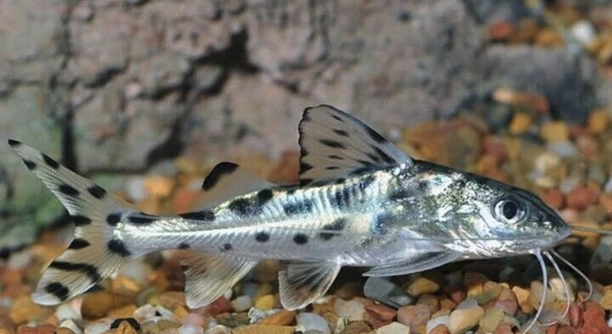
Pictus catfish are popular freshwater fish known for their active and curious nature. Many aquarium enthusiasts enjoy their lively behavior and unique appearance. Understanding how these fish respond to their environment is important for their care.
Pictus catfish can be trained to recognize feeding times and respond to basic stimuli. Their learning ability is limited compared to mammals but consistent routines and gentle interaction can encourage predictable behaviors over time.
Exploring their habits and responses helps improve care and interaction, making the aquarium experience more rewarding for owners and their fish alike.
How Pictus Catfish Learn
Pictus catfish learn mostly through repetition and routine. They are naturally curious and observe changes in their environment closely. Over time, they associate certain signals, like the sound of food hitting the water or a specific light, with feeding. This helps them respond quickly during feeding times. However, their ability to learn complex tasks is limited compared to pets like dogs or cats. Training these fish requires patience and consistency. Regularly feeding them at the same time and place helps reinforce behavior. Offering food by hand or using tools like feeding tongs can also encourage interaction. Unlike mammals, fish rely more on instincts and habits than on problem-solving skills. While training won’t make them perform tricks, it does improve their comfort with you and reduces stress. This gentle interaction can create a more peaceful tank environment for both the fish and the owner.
Training Pictus catfish is about building predictable routines. Consistency and repetition are key factors.
Pictus catfish respond best when their environment stays consistent. Changes in lighting, tank arrangement, or feeding schedules can confuse them. Using visual or auditory signals before feeding helps them recognize routines more quickly. Over time, they may swim toward the surface or the food area when they detect these signals. Avoid sudden changes or loud noises around the tank to maintain trust. Hand-feeding encourages familiarity, but it takes time for them to feel comfortable close to a person. Patience is essential, as pushing interaction too quickly can cause stress and hiding. Watching their natural behavior and adjusting your approach helps build better communication. While they may never perform tricks, these fish show recognition in small ways that make caring for them more satisfying.
Tips for Training Pictus Catfish
Start with simple, regular feeding schedules to create predictable routines. This helps the fish learn when to expect food.
When training Pictus catfish, focus on patience and repetition. Begin by feeding at the same time daily, using a clear cue like tapping the tank lightly or using a specific light. These cues help the fish associate your action with food. Offer food consistently in the same area to encourage them to come closer. Hand-feeding can be introduced once the fish are comfortable, but it may take weeks for them to respond positively. Avoid sudden movements and loud noises near the tank to reduce stress. Training sessions should be short and gentle, ending before the fish lose interest. Over time, Pictus catfish can learn to recognize their caretaker and approach during feeding times, which improves interaction and tank dynamics. Regular observation and gentle handling promote trust and make their environment safer and more enjoyable.
Recognizing Signs of Stress in Pictus Catfish
Stress in Pictus catfish shows in behavior and appearance. They may hide more, stop eating, or swim erratically. Changes in color or fin damage are also signs. Identifying stress early helps prevent health problems.
Stress often results from poor water quality, sudden changes, or aggressive tank mates. Pictus catfish need clean, well-oxygenated water with stable temperature and pH. Overcrowded tanks or frequent loud noises can make them anxious. When stressed, their immune system weakens, making them prone to disease. Observing their normal behavior helps spot unusual activity quickly. Providing hiding spots reduces stress by giving them safe places to retreat. Gentle handling and maintaining a calm environment improve their well-being. Recognizing stress signs early is key to keeping Pictus catfish healthy and active.
If stress is detected, changing water and improving tank conditions is necessary. Reducing disturbances and offering proper nutrition supports recovery. Giving the fish time to adjust after changes also helps.
Benefits of Training Pictus Catfish
Training Pictus catfish encourages interaction and builds trust, making daily care easier. It reduces their fear of humans and the environment.
Training helps fish become comfortable during feeding and tank maintenance. When Pictus catfish associate certain sounds or movements with food, they respond faster, which can reduce feeding stress. Fish that are familiar with their caretaker may be less prone to hiding or darting away, allowing for better observation of health and behavior. This interaction can also make cleaning and maintenance less stressful for the fish. While training doesn’t result in complex behaviors, the simple routines strengthen the bond between fish and owner. This improved relationship leads to a more harmonious tank environment and a more enjoyable experience for both.
Common Challenges in Training Pictus Catfish
Pictus catfish have limited memory, which makes training slow. They may forget cues if routines are inconsistent.
Their shy nature can make them avoid interaction, especially in new or noisy environments. Patience is essential.
Creating a Consistent Training Routine
Consistency is crucial for training Pictus catfish. Feeding at the same time and place daily helps them recognize patterns. Using a simple signal, like tapping the tank or turning on a light, before feeding builds association. Keeping the environment calm during these sessions reduces stress and increases response. Avoid sudden changes to maintain trust. Over time, this routine encourages the fish to respond reliably, making feeding and care smoother for both fish and owner.
Feeding Tips for Better Training
Using live or frozen foods can motivate Pictus catfish more than flakes or pellets.
Handling Fish During Training
Avoid sudden movements while training. Slow, gentle actions create a sense of safety.
FAQ
Can Pictus catfish learn tricks like other pets?
Pictus catfish do not learn tricks like dogs or cats. Their learning ability is limited to recognizing feeding routines and simple signals. They rely mostly on instincts and repetition rather than problem-solving skills. While they won’t perform tricks, they can learn to come to a certain spot for food when a cue is given.
How long does it take to train a Pictus catfish?
Training a Pictus catfish takes patience and consistency over several weeks. Because their memory span is short, repeating routines daily is necessary. You may see small changes, like swimming to the surface during feeding cues, within a week or two, but full response usually develops after consistent practice over a month.
What are good signals to use for training?
Simple, clear signals work best. Many owners tap lightly on the tank, switch on a specific light, or gently move the feeding tool in the water before feeding. These actions become associated with food. Avoid loud noises or complicated cues, as these can confuse the fish.
Can stress affect training success?
Yes, stress greatly affects training. If Pictus catfish are stressed by poor water conditions, tank mates, or sudden changes, they won’t respond well. Stress weakens their immune system and causes hiding or erratic swimming. Reducing stress through stable tank conditions and calm handling improves their ability to learn.
Is hand-feeding necessary for training?
Hand-feeding is not necessary but can help build trust. Some Pictus catfish become comfortable enough to take food from fingers or feeding tools. This interaction encourages familiarity but requires time and gentle movements. If the fish stay shy, feeding in the same spot without hand contact still supports training.
What if my Pictus catfish ignores training cues?
Ignoring cues may mean the fish isn’t comfortable or the signal isn’t clear. Ensure the environment is quiet and stable. Use the same cue consistently before feeding. Avoid rushing sessions or trying too many cues at once. If stress or illness is present, address those first before continuing training.
Can Pictus catfish be trained to recognize their owner?
They can recognize the presence of a person, especially during feeding, but this is based on routine rather than personal recognition like mammals. They may respond more quickly when you approach if they associate you with food, but it is not the same as recognizing an individual.
How do I maintain training progress over time?
Regular feeding routines and cues are key to maintaining training. Avoid long breaks, as fish can forget learned behaviors quickly. Keep the environment stable and minimize stressors. Refresh training sessions if responses decline by repeating the same simple cues and rewarding with food.
Can training improve the health of Pictus catfish?
Training itself does not directly improve health, but the routines created help monitor their behavior and appetite. Recognizing normal vs. unusual actions allows early detection of health issues. Reduced stress from predictable routines also supports overall well-being.
Are there risks in training Pictus catfish?
The main risk is causing stress through improper handling or too frequent interactions. Sudden movements or loud noises during training can frighten the fish. Training sessions should be short, gentle, and consistent to avoid negative effects. Always prioritize the fish’s comfort.
Pictus catfish have unique traits that make them interesting pets for aquarium owners. While they do not learn complex behaviors like some land animals, they can become familiar with feeding routines and simple signals over time. This basic level of training helps both the fish and the owner by creating predictability in their interactions. Consistent schedules and gentle handling play important roles in encouraging the fish to respond. Though the training process requires patience, it can make daily care easier and more enjoyable.
It is important to remember that Pictus catfish are sensitive to their environment. Stress from poor water quality, sudden changes, or loud noises can negatively affect their behavior and health. Maintaining a calm, stable tank environment supports their ability to learn and adapt. Providing hiding spots and avoiding overcrowding helps reduce anxiety. When stress is minimized, fish are more likely to respond positively during feeding and other interactions. This balance between care and training supports their well-being over the long term.
Training Pictus catfish is about understanding their natural behavior and working within their limits. Simple routines, such as feeding at the same time with clear cues, build trust and encourage predictable responses. While they will not perform tricks, these habits improve communication and allow owners to notice changes in health more easily. Patience and consistency are essential throughout the process. By respecting their needs and routines, caring for Pictus catfish becomes a more rewarding experience for both the fish and their caretaker.

Hello,
If you enjoy the content that we create, please consider saying a "Thank You!" by leaving a tip.
Every little bit helps us continue crafting quality advice that supports the health, happiness, and well-being of pets around the world, for pets of all shapes, sizes, and species.
We really appreciate the kindness and support that you show us!