
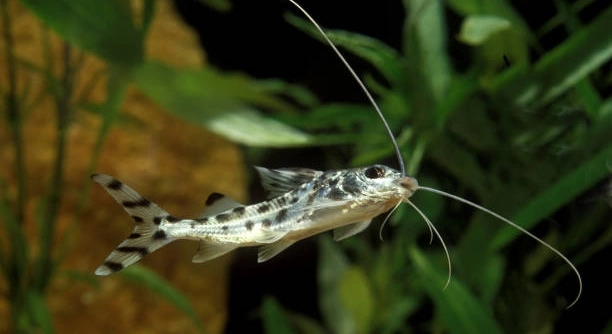
Pictus catfish are popular freshwater fish known for their active and playful nature. Many fishkeepers enjoy watching their quick movements and social behavior in home aquariums. These fish need the right environment to stay healthy and comfortable.
Pictus catfish can become overstimulated by excessive noise, constant bright lighting, and overcrowded tanks. Overstimulation causes stress, leading to erratic swimming, hiding, and weakened immune response. Proper tank setup and care reduce the risk of overstimulation and promote well-being.
Understanding how to create a calm environment is important for keeping pictus catfish happy and healthy. This article will explore what causes overstimulation and how to prevent it.
Signs of Overstimulation in Pictus Catfish
When pictus catfish become overstimulated, their behavior changes noticeably. You might see them darting around the tank quickly or hiding more than usual. They may also bump into decorations or the tank walls. These actions show that the fish is stressed. Stress can weaken their immune system and make them more likely to get sick. Overstimulation often happens because of loud noises, too much light, or too many fish sharing the tank. Sometimes, changes in water quality also add to their stress. Watching your catfish closely helps you catch these signs early. By noticing these changes, you can make adjustments to improve their comfort and reduce stress. Keeping the environment stable and calm is important for their health and happiness.
Fish showing overstimulation usually act restless and hide frequently, which can affect their long-term well-being.
Proper tank care and observing your fish’s behavior are key to preventing overstimulation. Making small changes, like reducing noise or adjusting lighting, can help your pictus catfish feel safe and secure.
How to Prevent Overstimulation in Your Aquarium
Maintaining a balanced environment helps pictus catfish avoid overstimulation. The tank should have plenty of hiding spots and moderate lighting. Avoid loud noises or sudden movements near the aquarium. Keeping the water clean and at the right temperature is also very important. Pictus catfish prefer peaceful surroundings and need space to swim freely without overcrowding.
It’s essential to create a natural habitat inside the tank. Use smooth decorations and plants that mimic their natural environment. Regularly check the water parameters to ensure they stay within safe levels. Feeding them a proper diet and avoiding overfeeding also contribute to their overall well-being. When you maintain these conditions, your pictus catfish will be less stressed and more active. Paying attention to these details makes a big difference in their health and happiness.
Creating a Comfortable Environment
A calm and natural setting helps pictus catfish stay relaxed. Avoid bright lights and loud sounds near the tank.
Using soft lighting and dimming the room can reduce stress for your fish. Adding plants and smooth decorations gives them places to hide, making the tank feel safer. These hiding spots help reduce anxiety when the fish feel threatened or overstimulated. Arranging the tank with plenty of open swimming space also supports their natural behavior, letting them move without feeling crowded. Keeping the water temperature steady and clean ensures the fish remain healthy and calm. Small changes in the environment can improve your catfish’s comfort and reduce signs of stress.
It’s also important to monitor tank mates carefully. Aggressive or overly active fish can make pictus catfish nervous. Choosing peaceful species and avoiding overcrowding supports a balanced and calm aquarium.
Feeding and Interaction
Overfeeding or feeding too often can cause stress in pictus catfish. Stick to a regular feeding schedule with the right portion sizes.
Feeding your fish quality food that matches their diet is important for their health. Pictus catfish enjoy sinking pellets or live foods like bloodworms. Avoid sudden changes in diet, which can upset their system. Interacting gently and quietly when you feed or check on your fish keeps them calm. Frequent tapping on the glass or sudden movements may scare them. Consistent routines make them feel secure and less likely to become overstimulated. This helps maintain a peaceful tank where your fish can thrive.
Observing their feeding habits also lets you spot early signs of stress or illness. Changes in appetite can be a clue to their overall well-being.
Adjusting Lighting and Noise Levels
Bright lights can overstimulate pictus catfish, so keep lighting soft and natural. Avoid sudden flashes or strong overhead lights.
Loud noises and vibrations from outside the tank can also stress your fish. Place the aquarium in a quiet spot away from heavy foot traffic or appliances.
Tank Size and Space Considerations
A spacious tank gives pictus catfish room to swim freely and avoid stress. Small, crowded tanks limit their movement and cause tension. A tank of at least 55 gallons is recommended for a group of pictus catfish. Overcrowding increases competition for space and food, which adds to overstimulation. Providing ample open areas alongside hiding spots helps them feel secure while allowing natural behaviors. Proper space reduces stress and supports their health.
When to Seek Help
If overstimulation signs persist, consider consulting a fish care expert. Early intervention improves your catfish’s chances of recovery.
FAQ
Can pictus catfish recover from overstimulation?
Yes, pictus catfish can recover if their environment is adjusted quickly. Reducing noise, lowering light levels, and ensuring clean water helps them calm down. Providing hiding spots and enough space also supports recovery. Recovery may take days to weeks depending on how long they were stressed.
What are common signs of overstimulation in pictus catfish?
Common signs include frantic swimming, hiding more than usual, bumping into objects, and loss of appetite. You may also notice color fading or unusual lethargy. These behaviors suggest the fish is feeling stressed and uncomfortable.
How often should I feed pictus catfish to avoid stress?
Feeding once or twice a day with measured portions is best. Overfeeding can pollute the tank and stress the fish, while underfeeding may weaken them. Stick to a routine and watch their eating habits to adjust amounts as needed.
Is tank size important for preventing overstimulation?
Definitely. Pictus catfish need enough room to swim and explore. A tank of at least 55 gallons is ideal for a small group. Crowded tanks increase stress and aggressive behavior, making overstimulation more likely.
Can tank decorations reduce overstimulation?
Yes, decorations like plants, caves, and smooth rocks provide hiding spots and reduce stress. These create a natural environment where pictus catfish feel safe. Avoid sharp or rough decorations that can injure them during frantic swimming.
Are pictus catfish sensitive to noise?
They are sensitive to loud sounds and vibrations near the tank. Noise can cause panic or hiding behavior. Placing the aquarium in a quiet area helps keep them calm.
Can changing water quality cause overstimulation?
Sudden changes in temperature, pH, or cleanliness can stress pictus catfish. Regular water testing and maintenance keep conditions stable, reducing the risk of overstimulation.
What lighting is best for pictus catfish?
Soft, dim lighting mimics their natural environment and helps them stay relaxed. Avoid direct, bright lights or constant lighting that can cause stress.
Are pictus catfish social, and does this affect overstimulation?
They are social fish and do well in groups. However, overcrowding or aggressive tank mates can increase stress. Keep a balanced number of peaceful fish to maintain calm.
How do I know if my pictus catfish are stressed or sick?
Stress and illness sometimes look similar. If unusual behavior continues despite good tank conditions, it may be illness. Look for signs like clamped fins, abnormal swimming, or spots on the body. Consult a vet or fish expert if unsure.
Can overhandling cause overstimulation?
Yes, frequent tapping, moving, or trying to catch pictus catfish can stress them out. Minimize handling and interact gently to avoid causing anxiety.
What steps should I take if my fish seems overstimulated?
First, reduce noise and lighting near the tank. Check water quality and do a partial water change if needed. Add or rearrange hiding spots and ensure the tank isn’t overcrowded. Observe behavior closely and keep feeding consistent.
Is it okay to use aquarium medications if a fish is stressed?
Medications should only be used if there is a confirmed illness, not just stress. Overuse can harm the fish or disrupt the tank’s balance. Always follow instructions and consult a professional when unsure.
Can changing tank decorations suddenly cause stress?
Yes, sudden rearrangement or removal of hiding places can upset pictus catfish. Make changes slowly and watch how they react.
Are pictus catfish nocturnal, and does this impact their behavior?
They are more active during low light or nighttime. Bright lights during the day may make them hide more. Adjust lighting to suit their natural rhythms.
How can I create a low-stress feeding routine?
Feed at the same times daily in small portions. Avoid sudden noises or movements during feeding. Use sinking pellets or live food that suits their natural diet.
Do pictus catfish like current or still water?
They enjoy gentle water flow, which mimics their natural river habitat. Too strong a current can stress them. Use filters that create mild movement.
What should I avoid to prevent overstimulation?
Avoid overcrowding, bright or flashing lights, loud noises, sudden water changes, and aggressive tank mates. Keeping a stable, calm environment is key.
How long does it take for pictus catfish to calm down after stress?
It varies but usually takes a few days to a couple of weeks. The speed of recovery depends on how quickly the environment improves.
Can stress affect the lifespan of pictus catfish?
Yes, chronic stress weakens the immune system and can shorten their life. Reducing overstimulation helps keep them healthy longer.
Are there any natural remedies to reduce stress in pictus catfish?
Adding live plants and using natural aquarium substrates can create a calming habitat. Some keepers use Indian almond leaves to improve water quality and reduce stress naturally.
How often should I clean the tank to reduce stress?
Regular partial water changes weekly or biweekly keep the water clean. Avoid full cleanings that disturb beneficial bacteria. Clean filters gently to maintain good water conditions.
Is it normal for pictus catfish to hide a lot?
Some hiding is normal, especially during the day or when new to the tank. Excessive hiding can indicate stress or illness.
What signs show that pictus catfish are happy and comfortable?
Active swimming, regular eating, bright colors, and social behavior with tank mates indicate a happy fish. They should explore the tank and come out of hiding regularly.
Can stress cause pictus catfish to stop eating?
Yes, stress often reduces appetite. If they stop eating for several days, it’s a warning sign to check their environment and health.
Is tank location important to prevent overstimulation?
Placing the tank away from busy or noisy areas reduces stress. A quiet, stable spot helps pictus catfish feel secure.
How do water temperature fluctuations affect pictus catfish?
Sudden changes in temperature cause stress and weaken immune defenses. Keep the water temperature steady between 72-79°F (22-26°C).
Can overcrowding lead to overstimulation?
Too many fish in one tank limit swimming space and cause stress. Maintain recommended tank sizes and population levels.
What role does tank filtration play in reducing stress?
Good filtration keeps water clean and oxygenated. Poor filtration can cause toxins to build up, increasing stress and health problems.
Are pictus catfish sensitive to sudden changes in their environment?
Yes, abrupt changes in water, lighting, or tank setup can cause immediate stress. Introduce changes gradually to help them adjust.
Should I quarantine new fish before adding them to the tank?
Quarantining new fish helps prevent diseases and stress in existing fish. It’s a good practice to protect your aquarium’s balance.
What is the best way to observe pictus catfish behavior?
Watch them quietly from a distance without tapping the glass. Note changes in activity, eating, and interaction with tank mates.
Pictus catfish are lively and interesting fish that many people enjoy keeping in their aquariums. Like all pets, they need the right care to stay healthy and happy. One important part of caring for pictus catfish is understanding how overstimulation can affect them. Overstimulation happens when their environment is too noisy, too bright, or crowded. This can cause stress, which may lead to changes in their behavior and health problems. By learning the signs of overstimulation, fishkeepers can help their catfish live more comfortable lives.
Creating a calm and balanced environment is key to preventing overstimulation. This means keeping the tank clean, providing enough space, and offering places where the fish can hide and rest. Soft lighting and quiet surroundings help pictus catfish feel safe. Feeding them regularly with proper food also supports their well-being. Small adjustments, like reducing loud noises near the tank or avoiding sudden changes in the aquarium setup, can make a big difference. When the fish feel secure, they show natural behavior, swim actively, and stay healthy longer.
Taking care of pictus catfish requires patience and attention. Watching how your fish behave every day will help you notice if something is wrong early on. If your fish do show signs of stress or overstimulation, acting quickly to improve their environment can help them recover. Remember that these fish depend on their surroundings to feel calm and secure. With proper care and a peaceful tank, pictus catfish can thrive and bring enjoyment for many years. Understanding their needs helps build a healthy home for these unique fish.

Hello,
If you enjoy the content that we create, please consider saying a "Thank You!" by leaving a tip.
Every little bit helps us continue crafting quality advice that supports the health, happiness, and well-being of pets around the world, for pets of all shapes, sizes, and species.
We really appreciate the kindness and support that you show us!