
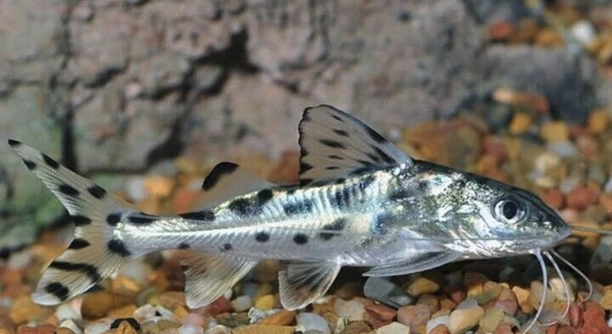
Keeping Pictus catfish in a planted tank can be an appealing option for many aquarium hobbyists. These fish are known for their peaceful nature and active swimming habits. They can add life and movement to a planted environment without disturbing most plants.
Pictus catfish can be kept successfully in planted tanks if the plants are sturdy and the tank provides enough space and hiding spots. They prefer a well-oxygenated environment with moderate lighting, and their natural digging behavior should be considered to protect delicate plants.
Understanding the needs of Pictus catfish in relation to planted tanks helps ensure both fish and plants thrive together in harmony. This article will guide you through the important points to consider for a balanced aquatic setup.
Understanding Pictus Catfish Behavior
Pictus catfish are active swimmers, mostly staying in the middle to bottom areas of the tank. They enjoy exploring and occasionally digging in the substrate, which can sometimes disturb delicate plants. These fish are social and do best in groups of three or more. They are peaceful and generally get along with other community fish. Their natural habitat includes fast-moving rivers with lots of hiding spots, so providing caves or dense plant clusters helps them feel secure. They prefer moderate lighting since bright light can stress them out. Because they are nocturnal, they may be more active at dawn and dusk, which can be interesting to watch. It’s important to keep the water clean and well-oxygenated to support their health. Regular water changes and a good filtration system are essential. Overall, understanding their natural behavior helps you create a planted tank that suits their needs without harming your plants.
Pictus catfish dig sometimes but won’t uproot strong plants if the substrate is deep and the plants are well-rooted.
Knowing their habits allows you to arrange plants and decorations that protect both your fish and the greenery in the tank.
Ideal Tank Setup for Pictus Catfish
A tank for Pictus catfish should be at least 30 gallons to give them enough swimming room. A substrate of sand or fine gravel is best because it’s gentle on their barbels. Adding plenty of hardy plants like Java fern, Anubias, or Amazon swords provides shelter without worrying about damage. These plants have strong roots and leaves that withstand occasional nudges. Using floating plants can offer shaded areas, reducing stress from bright lights. Keep water temperature between 72°F and 78°F, and maintain a pH around 6.5 to 7.5 for optimal comfort. Including caves, driftwood, or rocks creates hiding spots where catfish can retreat. This reduces their stress and encourages natural behavior. Regular maintenance, including monitoring water parameters and feeding a balanced diet, will keep your Pictus catfish healthy and your planted tank balanced.
The right environment helps Pictus catfish and plants coexist without one affecting the other negatively.
Feeding Pictus Catfish in Planted Tanks
Pictus catfish are omnivores that enjoy a varied diet. They prefer sinking pellets, live or frozen foods like bloodworms, and occasional vegetable matter.
A balanced diet is essential to keep them healthy and active. Feeding small amounts twice a day prevents leftover food from polluting the tank. Since they are bottom feeders, sinking food ensures they get enough to eat without disturbing plants. Supplementing their diet with occasional treats like brine shrimp or daphnia helps mimic their natural feeding habits. Avoid overfeeding, as excess food can cause water quality issues, affecting both fish and plants.
Proper feeding encourages natural foraging behavior without damaging delicate plants. It also keeps your fish vibrant and thriving in a planted environment.
Plant Selection for Pictus Catfish Tanks
Choosing hardy plants is important in tanks with Pictus catfish. Plants like Anubias, Java fern, and Amazon swords tolerate their occasional digging well.
These plants have strong roots and thick leaves that are less likely to be uprooted or eaten. Avoid delicate or slow-growing plants, as they may not withstand the catfish’s movements. Floating plants add shade and reduce light intensity, helping fish feel secure. Fast-growing stem plants like hornwort or water wisteria can help absorb excess nutrients, improving water quality. The right combination of plants creates a balanced environment where fish and greenery support each other. This setup also provides hiding spots and resting areas, which reduce stress for Pictus catfish. By choosing durable plants, you protect your tank’s beauty while meeting your fish’s natural behaviors.
Tank Maintenance Tips
Regular water changes keep the tank environment healthy for both plants and Pictus catfish. Aim for 20-30% weekly changes.
Cleaning the substrate gently prevents debris buildup without disturbing plant roots or stressing the fish.
Water Parameters to Monitor
Pictus catfish thrive in clean, well-oxygenated water. Maintain temperature between 72°F and 78°F and pH from 6.5 to 7.5. Regularly test ammonia, nitrite, and nitrate levels to avoid harmful spikes. Proper filtration supports stable conditions that benefit plants and fish alike.
Tank Mates for Pictus Catfish
Choose peaceful community fish that share similar water needs. Avoid aggressive or very slow-moving species that might stress or be stressed by Pictus catfish.
Lighting Considerations
Moderate lighting suits both Pictus catfish and plants. Too much light may stress the fish and promote algae growth.
FAQ
Can Pictus catfish live peacefully with other fish in a planted tank?
Yes, Pictus catfish are generally peaceful and do well with other community fish that are not aggressive. They prefer to be in groups of at least three to feel secure. Avoid keeping them with very small or slow-moving fish, as Pictus catfish are active swimmers and could unintentionally stress them out. Also, avoid aggressive species that might bully or harm the catfish. Tank mates like tetras, barbs, and other peaceful fish with similar water requirements work well.
How much space do Pictus catfish need in a planted tank?
Pictus catfish are active swimmers and need a minimum of 30 gallons to thrive comfortably. More space is better if you want a group of three or more. This allows them to swim freely and explore without feeling cramped. A larger tank also helps maintain water quality, which is essential for both the fish and plants. Ample swimming room reduces stress and keeps them healthy.
Will Pictus catfish damage plants in the tank?
Pictus catfish may dig occasionally in the substrate, but they usually don’t uproot strong, well-rooted plants. They tend to avoid delicate plants or those with soft leaves. Choosing hardy plants like Java fern, Anubias, and Amazon swords helps protect your greenery. A deep substrate can also reduce plant disturbance. Their digging behavior is natural but not usually destructive if the tank is set up properly.
What do Pictus catfish eat in a planted tank?
Pictus catfish eat sinking pellets designed for bottom feeders, as well as live or frozen foods like bloodworms and brine shrimp. They also enjoy occasional vegetable matter. Feeding them a balanced diet twice daily in small amounts prevents leftover food, which can harm water quality. Since they feed mainly at the bottom, sinking food ensures they get enough nutrition without disturbing plants or floating food.
How often should I clean the tank with Pictus catfish?
Weekly water changes of about 20-30% help maintain good water quality for Pictus catfish and plants. Regular cleaning of the substrate, without disturbing plant roots, removes waste and debris. Filtration should be efficient and well-maintained. Keeping the tank clean reduces stress for the fish and prevents algae growth that can compete with plants for nutrients.
What water conditions are best for Pictus catfish in a planted tank?
Pictus catfish prefer temperatures between 72°F and 78°F and a pH level of 6.5 to 7.5. They need clean, well-oxygenated water, so good filtration and regular water changes are essential. Monitoring ammonia, nitrite, and nitrate levels prevents harmful spikes that can stress fish and damage plants. Stable water conditions help both fish and plants thrive.
Do Pictus catfish require special lighting in planted tanks?
Moderate lighting is best. Bright lights can stress Pictus catfish and encourage unwanted algae growth. Floating plants can help reduce light intensity and provide shaded areas for the fish to rest. The lighting should support plant growth without being too harsh for the fish.
Are there any plants to avoid with Pictus catfish?
Avoid delicate or slow-growing plants that can be easily uprooted or damaged. Plants with soft leaves or shallow roots are more vulnerable to the catfish’s digging. Instead, choose hardy species that can tolerate some movement in the substrate and occasional nudges.
How can I encourage natural behavior in Pictus catfish?
Providing hiding spots like caves, driftwood, and dense plant clusters helps Pictus catfish feel secure. Keeping them in groups allows social interaction, which reduces stress. A varied diet that includes live or frozen foods encourages natural foraging. Ensuring proper water conditions and lighting also supports their well-being.
What should I do if my Pictus catfish starts uprooting plants?
Check if the substrate is deep enough and if the plants are well-rooted. Adding heavier gravel or stones around plant bases can help anchor them. Also, ensure the fish have enough space and hiding places to reduce stress or boredom, which might cause excessive digging. Sometimes adjusting feeding habits and tank setup reduces this behavior.
Final Thoughts
Pictus catfish can be a great addition to a planted tank when their needs are properly met. They bring activity and interest to the aquarium with their quick movements and social behavior. Because they are peaceful fish, they fit well in community tanks that include other non-aggressive species. Their natural digging and exploring habits can be managed by choosing the right plants and substrate. This helps protect the plants while giving the fish room to behave naturally. A well-planned setup balances the needs of both plants and fish, creating a healthy and attractive aquarium.
Maintaining good water quality is very important when keeping Pictus catfish in a planted tank. These fish need clean, well-oxygenated water to stay healthy and active. Regular water changes and a proper filtration system are key to removing waste and keeping harmful substances low. Keeping the water temperature and pH within their preferred range also supports their well-being. When the environment is stable, both the fish and the plants thrive. This reduces stress for the fish and prevents common issues like algae overgrowth or plant decay. Taking the time to monitor and maintain these conditions leads to a balanced tank.
Feeding Pictus catfish a varied and balanced diet helps keep them healthy and happy. Sinking pellets, live or frozen foods, and occasional vegetables provide the nutrients they need. Feeding small amounts twice a day prevents leftover food, which could harm water quality. Choosing hardy plants like Java fern, Anubias, and Amazon swords ensures the greenery can handle the fish’s natural activity. Providing hiding spots and moderate lighting also supports their natural behavior and reduces stress. With proper care, Pictus catfish and planted tanks can coexist beautifully, offering a lively and natural aquarium experience.

Hello,
If you enjoy the content that we create, please consider saying a "Thank You!" by leaving a tip.
Every little bit helps us continue crafting quality advice that supports the health, happiness, and well-being of pets around the world, for pets of all shapes, sizes, and species.
We really appreciate the kindness and support that you show us!