
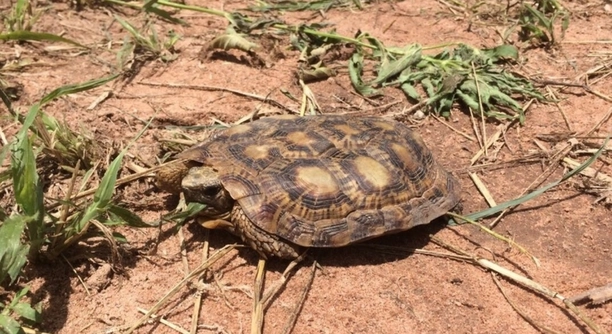
Pancake tortoises are fascinating creatures, known for their distinctive, flat, and round shells. Many wonder about their abilities to recognize their surroundings, especially when it comes to hearing their names. It’s a quirky thought!
While research on this topic is limited, studies suggest that pancake tortoises can learn to associate sounds, like their names, with actions. This means they might respond when they hear familiar words or sounds. However, it’s not as advanced as human recognition.
Their behavior might surprise you, especially when considering how intelligent these little creatures can be. Understanding their responses is key to learning more about them and how they perceive their environment.
How Do Pancake Tortoises Hear and Recognize Sounds?
Pancake tortoises are known for their unique appearance and slow movements, but can they actually hear well? Like most reptiles, their hearing is quite different from ours. They rely on vibrations through the ground and air to detect sounds. This means they don’t hear in the same way humans or mammals do, but they can still sense changes in their environment. When you call their name, they might not respond the way a dog would, but it’s possible they can recognize the pattern of your voice. Tortoises are more likely to associate certain sounds with food, actions, or other routines rather than the actual name.
Their ability to hear is enough for them to distinguish certain tones or familiar sounds. However, this doesn’t mean they’ll react in the same way a pet like a dog or cat might. It’s more about recognizing a sound and associating it with a specific event. In fact, pancake tortoises are often seen responding to the sound of food or movement rather than a specific name. While they might not “respond” in a traditional sense, they may react to the patterns.
Do They Have a Favorite Sound?
Tortoises can be quite particular about the sounds they respond to. They will likely pay attention to vibrations and sounds that are linked with feeding times. If you often call them at certain times of day, they might begin to associate that sound with something positive, like food or attention. It’s this association that could lead them to recognize their name or certain words.
Pancake tortoises don’t exactly have a wide range of vocalizations, so their responses are based on how they connect specific sounds with experiences. If you use a particular tone or phrase when feeding them, they might start to react when they hear it, especially if they learn that it usually means something good is coming their way. It’s important to remember that their attention is more focused on what they’re associating with the sound rather than the sound itself.
Can Pancake Tortoises Remember Sounds?
Pancake tortoises can develop an association between sounds and experiences. With enough repetition, they may start recognizing certain tones or noises. Over time, they may remember these sounds, but it’s mostly linked to specific events rather than a clear understanding of a name. They aren’t as quick to remember sounds like some pets.
For instance, if you call them consistently before feeding them, they may associate that sound with food. However, unlike dogs, they won’t eagerly rush over when they hear it. Instead, they might show subtle signs of recognition, like moving in your direction or looking up. They’re more focused on what’s happening around them and how those sounds relate to their daily routine.
These creatures are more observant than we think, and while they don’t react in the same way as mammals, they do have the ability to learn and remember simple patterns. Their memory isn’t as advanced, but it can help them recognize certain triggers over time.
Does the Environment Affect Their Responses?
Yes, their environment plays a big role in how pancake tortoises react to sounds. They are more likely to notice familiar sounds if those sounds are consistent in their habitat. For example, if they hear a specific noise that happens before feeding or playtime, they will start connecting that sound with positive experiences. The sounds of their surroundings, including movement or the rustle of food, may also catch their attention.
When they’re in a more stimulating environment, with a variety of noises or activities, it may be harder for them to focus on one specific sound. That’s because their attention is divided, and they’ll react to the most important or frequent noises. But in a quieter setting, a repeated sound like your voice can become a clear signal they begin to recognize. Over time, these patterns help them form simple connections to their daily life, though they may not remember everything.
Can Pancake Tortoises Learn Commands?
Pancake tortoises are not like dogs when it comes to learning commands, but they can recognize patterns. Repeated associations between sounds and actions might help them learn simple cues. However, their ability to follow commands is limited compared to more trainable pets.
If you consistently use the same sounds or words before giving them food or performing certain actions, they may eventually associate those words with the event. However, this recognition is usually more of a conditioned response rather than understanding a full command. The tortoise’s behavior is tied more to the routine than to an actual comprehension of what’s being asked.
They don’t have the cognitive ability to respond to complex requests, but they can get used to a regular pattern of sounds linked to certain actions. The more they hear those sounds, the more they may start to recognize them in the future.
Can Tortoises Be Trained?
Training a pancake tortoise is a slow process, but they can learn simple routines. By repeating the same actions, like feeding or taking them to a specific area, they begin to form habits. This might make them more familiar with specific cues or sounds tied to these activities.
They may not learn advanced tricks, but they can adjust to their environment and certain patterns. It’s all about creating repetition and consistency. However, don’t expect them to be eager to respond as quickly as a dog would. Instead, they’ll react more passively to the routines they’ve come to know.
How Does Their Personality Affect Recognition?
Tortoises, like humans, have different personalities. Some may be more curious and responsive to sounds, while others could be more cautious. A more curious tortoise might pay attention when they hear familiar voices or sounds, associating them with positive experiences. The more comfortable and secure they feel, the more likely they are to recognize certain things.
FAQ
Can pancake tortoises understand human speech?
Pancake tortoises don’t understand human speech in the way we do. They don’t process words or sentences. However, they can learn to recognize sounds and associate them with specific actions, like feeding or other regular activities. While they won’t respond to a complex sentence, they may recognize certain sounds or patterns. For example, if you often speak to them in a certain tone before feeding them, they might start to associate that tone with food. It’s more about the consistency and frequency of the sound than the meaning behind it.
How do pancake tortoises respond to their names?
Pancake tortoises don’t have the ability to understand their names as humans do. However, they can associate the sound of their name with actions. If you call their name regularly, especially before feeding or other activities, they may start to move or react when they hear it. It’s not an emotional response like a dog, but more of an instinctive reaction to a familiar sound that is linked to something positive.
Do pancake tortoises recognize their owners?
While pancake tortoises can recognize patterns and certain sounds, their ability to recognize individual people is more limited. They won’t recognize you in the way a dog would. However, if you interact with them regularly, they might begin to associate your presence with certain actions, like feeding. Their recognition is tied to routine, not to specific people. It’s likely they’ll become familiar with your voice or certain movements that are part of their daily life, but they won’t react the same way a pet would to a familiar face.
Can you train a pancake tortoise to do tricks?
Training a pancake tortoise to do tricks isn’t really possible. These animals are not as trainable as dogs or even some other reptiles. However, you can create routines that they become accustomed to. For example, if you use the same sound or gesture before feeding them, they may start associating that action with food. While they won’t perform tricks like jumping through hoops, they can adapt to specific patterns or behaviors that are part of their environment.
How long do pancake tortoises live?
Pancake tortoises are known for their long lifespan. In the wild, they can live for over 30 years, and in captivity, they can often live even longer with proper care. Their lifespan depends on various factors, such as diet, habitat, and overall health. To help them live a long life, it’s essential to provide them with a balanced diet, the right temperature, and enough space for exercise. Proper care is key to ensuring they thrive in captivity.
What is the best diet for a pancake tortoise?
A pancake tortoise’s diet should primarily consist of leafy greens, vegetables, and some fruits. They enjoy grasses, dandelion greens, and hibiscus flowers. It’s important to offer a varied diet to ensure they receive all the necessary nutrients. While feeding, avoid giving them foods that are too high in protein, as this can lead to health issues. Calcium and fiber are important for their overall health, so providing a calcium supplement may be beneficial. Fresh water should always be available to them.
Do pancake tortoises need a lot of space?
Pancake tortoises may be small, but they still require a decent amount of space to move around. In captivity, they should have an enclosure that allows them to explore, climb, and bask in the sun. A larger enclosure with both a basking area and a cooler space is ideal for their well-being. While they don’t need large amounts of space like some other tortoises, giving them room to roam helps promote healthy behavior and activity. A cramped space can lead to stress and health issues.
What kind of habitat do pancake tortoises need?
Pancake tortoises thrive in warm, dry conditions with access to plenty of sunlight. In the wild, they live in rocky, arid environments. In captivity, their habitat should mimic these conditions with appropriate lighting, heating, and humidity. A basking spot with a heat lamp is essential for thermoregulation, and they need a cooler area to retreat to. Providing places for them to hide or climb will help them feel secure. The substrate should be easy to clean and should allow them to dig and explore naturally.
Do pancake tortoises get along with other pets?
Pancake tortoises are generally solitary animals and can be territorial. While they may tolerate other animals in the same enclosure, it’s best not to house them with other reptiles or pets unless absolutely necessary. If you choose to house them with other animals, be sure to monitor their behavior closely to prevent any aggressive interactions. It’s also essential to ensure that the other animals in the enclosure do not disturb their environment or food. Keeping them in a calm, quiet space is ideal for their well-being.
Can pancake tortoises swim?
Pancake tortoises are not strong swimmers. They are primarily land dwellers and are more adapted to walking and climbing than swimming. While they may be able to wade through shallow water, they should not be placed in deep water. A shallow water dish for drinking and bathing is sufficient for their needs. If you want to give them access to water, make sure it’s shallow enough for them to move in and out of easily. It’s important to avoid deep water areas that could pose a drowning risk.
What is the best temperature for a pancake tortoise?
Pancake tortoises require a warm environment to thrive. The ideal temperature for their enclosure is between 75-85°F (24-29°C) during the day. A basking area should be kept around 90-100°F (32-38°C) to allow them to regulate their body temperature. At night, the temperature can drop slightly, but it should not go below 70°F (21°C). Using a heat lamp or ceramic heat emitter can help maintain the right temperature in their habitat. It’s important to monitor the temperature regularly to avoid any sudden drops or spikes that could affect their health.
Final Thoughts
Pancake tortoises are fascinating creatures, and while they might not respond to their names like pets such as dogs, they can still recognize sounds and associate them with certain events. They may not rush to the sound of their name, but with repeated exposure, they can learn to link specific sounds with familiar activities, like feeding. Their ability to respond to these sounds is more about routine than understanding complex communication. For tortoises, recognition of sound is often tied to positive experiences, such as food or movement, rather than any form of emotional attachment.
While they aren’t capable of following commands or performing tricks, pancake tortoises can still adapt to their environment. They are creatures of habit, and consistency in their interactions can lead to subtle responses. It’s important to remember that tortoises have different sensory and cognitive abilities compared to more traditional pets. They are not as interactive as other animals, but they do possess the ability to recognize patterns in their environment. Their reaction to sounds or actions is often a learned response linked to their daily routine, not a deep understanding of what’s being asked of them.
Caring for a pancake tortoise involves creating a stable environment that mimics their natural habitat. With the right care, diet, and environment, these tortoises can live long, healthy lives. They may not be able to follow commands or greet you at the door, but they can become familiar with the sounds and routines around them. Understanding their behavior and limitations allows for a more rewarding relationship with these unique reptiles. By respecting their natural instincts and patterns, you can help them thrive in captivity, creating a comfortable and secure life for them.

Hello,
If you enjoy the content that we create, please consider saying a "Thank You!" by leaving a tip.
Every little bit helps us continue crafting quality advice that supports the health, happiness, and well-being of pets around the world, for pets of all shapes, sizes, and species.
We really appreciate the kindness and support that you show us!