
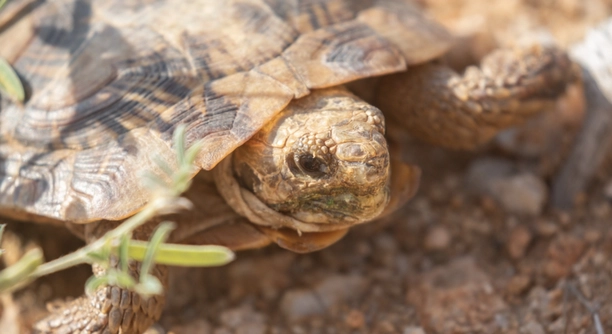
Pancake tortoises are a unique species known for their distinct, flattened shells. These fascinating reptiles are often kept as pets, and many owners wonder if they can live together peacefully in the same enclosure.
Pancake tortoises can live together, but their compatibility largely depends on the size of the space, their temperament, and the number of individuals. A properly set-up enclosure can support multiple tortoises, but careful monitoring is essential.
While it’s possible for these tortoises to coexist, understanding their social needs and providing enough space is key for a harmonious environment. Keep reading to learn more about the factors involved in housing pancake tortoises together.
Factors to Consider When Housing Pancake Tortoises Together
The size of the enclosure is one of the most important things to consider when housing pancake tortoises together. They need plenty of space to roam and bask without feeling cramped. A small enclosure can lead to stress, territorial behavior, or even fighting. A larger space allows them to have their own areas for resting and exploring, which can reduce the chances of conflict. You should aim for at least 40-50 gallons of space for two tortoises, with extra room for each additional one. If the enclosure is too small, tortoises may compete for food, basking spots, or hiding places.
Providing hiding spots and elevated areas in the enclosure helps ensure your tortoises feel safe and secure. Creating a more natural environment reduces stress and allows the tortoises to have their own spaces when needed. This setup can help them feel comfortable and lower any tension between them.
It’s also essential to maintain the right temperature, humidity, and lighting. Pancake tortoises thrive in environments with warmth, humidity, and natural light, so ensuring the enclosure has the proper setup will help them live in harmony. Monitoring these factors and making adjustments will help keep the tortoises happy and healthy.
Social Behavior and Compatibility
Not all pancake tortoises will get along with each other. While they are generally non-aggressive, some can be more territorial than others. Observing their behavior when introducing new tortoises is essential.
To introduce tortoises successfully, start by placing them in separate spaces where they can see each other without direct contact. This helps them get used to each other’s presence. After a few days, you can slowly allow them to interact under supervision. Watching for signs of aggression, such as biting or chasing, is important. If tensions rise, you may need to separate them to avoid stress.
Each tortoise has its own personality, and some are more social than others. Keeping multiple tortoises together can work well if they are compatible. However, it’s essential to know that some may prefer to live alone, so monitor their behavior carefully for any signs of distress. If one seems constantly stressed or injured, separating them could be the best option. By understanding their unique personalities and behaviors, you can create an environment where your pancake tortoises thrive together.
Potential Risks of Housing Pancake Tortoises Together
One potential risk of housing pancake tortoises together is the possibility of aggression. Though not common, some tortoises may fight for dominance or territory, especially in smaller spaces. This can lead to injuries.
It’s crucial to monitor tortoises when they are introduced to each other. Stress can also manifest in behaviors like hiding or excessive pacing. Keeping an eye on how they interact will help you spot issues early. If you notice one tortoise bullying another or if there are frequent disputes over food, it may be necessary to separate them.
Another risk is the spread of diseases. If one tortoise is sick or carries parasites, it can easily be passed to others. Regular health check-ups and quarantining new tortoises before introducing them to others can help prevent this. Always ensure that the environment is clean, and do regular spot checks for signs of illness or infection to reduce these risks.
How to Provide a Suitable Environment for Multiple Tortoises
A suitable environment is vital to prevent stress and ensure the well-being of multiple pancake tortoises. A large, secure enclosure is essential to give them enough space to move around. The space should have multiple basking areas, hiding spots, and enough food sources for each tortoise.
The temperature needs to be consistent, with a warm basking area around 95°F and cooler areas for them to retreat to. Humidity should also be monitored, as they thrive in humid environments. Providing a substrate like coconut coir or sphagnum moss helps maintain proper humidity levels and gives them something to dig into, which can reduce stress. Regular cleaning and proper waste management are also crucial to keeping the environment safe and healthy.
By setting up a large, well-equipped habitat and monitoring their health regularly, you can minimize stress and create a harmonious space for pancake tortoises to coexist.
Feeding Multiple Pancake Tortoises
When feeding pancake tortoises together, it’s important to provide enough food for each individual. They can be competitive at feeding time, so offering separate dishes can prevent one tortoise from dominating the food supply.
It’s also essential to ensure their diet is well-rounded. A variety of leafy greens, vegetables, and occasional fruits is best. Each tortoise should have access to fresh, clean water. If one tortoise isn’t eating as much as others, it could indicate stress, and further observation is needed.
Observing Health and Well-Being
Maintaining regular health checks is crucial when housing multiple tortoises together. Watch for any signs of injury, illness, or behavioral changes. Tortoises should not have swollen eyes, abnormal shell growth, or lethargy. If one tortoise is showing signs of distress, isolate it from the others and consult a vet.
Monitoring their overall condition is vital. Regularly check their shell for damage or signs of infection. Healthy tortoises should be active, eat regularly, and be able to move freely without difficulty. Any changes in these areas should be addressed promptly.
The Importance of Regular Interaction
Pancake tortoises require mental and physical stimulation, even when housed together. Interaction is essential, as it helps them stay healthy and prevents boredom. Hand-feeding, gentle handling, and regular observation are all important for their well-being.
FAQ
Can pancake tortoises live in a tank together?
Yes, pancake tortoises can live in a tank together, but the size of the tank is crucial. A small tank can lead to stress, aggression, and territorial disputes. For multiple tortoises, the tank should be at least 40-50 gallons. It should also have adequate basking spots, hiding places, and enough room for each tortoise to have its own space. Additionally, the temperature and humidity levels need to be controlled to keep them comfortable and healthy.
How many pancake tortoises can live together?
The number of pancake tortoises that can live together depends on the size of the enclosure. For two tortoises, a 40-50 gallon tank may suffice, but each additional tortoise will require more space. Generally, a larger enclosure will reduce competition and stress, allowing the tortoises to coexist more peacefully. However, the tortoises’ personalities also play a role, as some may prefer solitude or be more territorial. Monitoring their behavior is key to ensuring they live together successfully.
What should I do if my pancake tortoises fight?
If your pancake tortoises fight, it’s important to separate them immediately to prevent injury. Fighting can be a sign of stress, territorial issues, or competition for food and basking spots. After separating them, evaluate the environment. Make sure there is enough space, hiding spots, and multiple feeding stations. If the behavior persists, you may need to keep them in separate enclosures or reintroduce them slowly under supervision.
Do pancake tortoises need a companion?
Pancake tortoises do not necessarily need a companion. They are generally solitary creatures in the wild. Some tortoises may tolerate the presence of others, while others may become stressed or territorial. If you want to house multiple tortoises, it’s important to monitor their interactions closely. Ensure their environment is large enough to reduce stress, and provide plenty of food, hiding spots, and basking areas to prevent conflict. If one tortoise appears stressed or shows signs of aggression, it may be best to keep them alone.
What is the ideal diet for pancake tortoises living together?
Pancake tortoises thrive on a diet of leafy greens, vegetables, and occasional fruits. Each tortoise should have access to fresh, clean water, and you may want to provide separate food dishes to avoid competition. Make sure to offer a variety of food to ensure they get all the nutrients they need. Common food choices include collard greens, dandelion greens, and edible flowers. Avoid high-oxalate vegetables like spinach, which can cause health issues over time. Regularly monitor their weight and behavior to ensure they are eating properly.
How do I introduce new pancake tortoises to each other?
Introducing new pancake tortoises requires patience and careful observation. Start by keeping them in separate enclosures where they can see each other without direct contact. This will help them get used to each other’s presence. After a few days, you can allow them to interact under supervision. Watch for signs of aggression such as chasing, biting, or head bobbing. If any issues arise, separate them immediately and try again later. Gradually increasing their exposure to each other will help them adjust over time.
What is the minimum enclosure size for multiple pancake tortoises?
The minimum size for an enclosure with multiple pancake tortoises is about 40-50 gallons for two tortoises. If you plan to house more, you will need to increase the size accordingly. A larger enclosure will help reduce stress and prevent territorial disputes. The enclosure should have different areas for basking, hiding, and exploring, as well as enough room for each tortoise to have its own space. Keeping the environment spacious and well-maintained will promote healthier, happier tortoises.
Can pancake tortoises share a basking spot?
Pancake tortoises can share a basking spot, but it’s not always ideal. If the basking area is too small or there are too many tortoises, they may compete for the spot. It’s important to ensure the enclosure has enough basking areas to accommodate all the tortoises, so they don’t feel stressed or overcrowded. If your tortoises are consistently fighting over basking spots, consider adding more platforms or heat sources to reduce competition and give each tortoise a place to bask comfortably.
How do I prevent aggression between pancake tortoises?
To prevent aggression between pancake tortoises, make sure the enclosure is large enough for them to avoid each other when they need space. Provide multiple basking spots, hiding areas, and feeding stations to minimize competition. Monitor their behavior closely, especially during feeding times, as this can be a trigger for aggression. If any tortoise shows signs of bullying or stress, consider separating them and reassessing the enclosure setup. Slow introductions and regular observation are key to preventing long-term aggression.
Are pancake tortoises active at night?
Pancake tortoises are primarily diurnal, meaning they are active during the day and rest at night. They will spend their day foraging, basking, and exploring their enclosure. At night, they typically become less active and seek out a quiet place to sleep. It’s important to maintain a consistent light cycle to mimic natural conditions, providing 12-14 hours of daylight and 10-12 hours of darkness. This will help them stay on a healthy schedule and encourage natural behaviors.
Final Thoughts
Housing pancake tortoises together is possible, but it requires careful planning and observation. These tortoises are generally not aggressive, but they can become territorial, especially in smaller enclosures. Providing ample space and ensuring that each tortoise has its own basking spot, food station, and hiding place can go a long way in reducing stress and potential conflicts. A well-designed environment with enough room to roam, along with proper temperature, humidity, and lighting, is key to creating a peaceful and healthy home for multiple tortoises.
It’s important to monitor the behavior of the tortoises closely when they are introduced to each other. While some may get along well, others may not tolerate the presence of another tortoise and could display signs of aggression. Observing their interactions can help you spot any problems early. If aggression becomes an issue, separating them might be the best option. Each tortoise has its own temperament, and some might prefer to live alone. Understanding the unique needs and personalities of each tortoise will help ensure they remain comfortable and stress-free in a shared space.
In the end, the decision to house multiple pancake tortoises together comes down to their individual needs and the resources available to you. Ensuring a large enough enclosure, providing regular health checks, and offering a balanced diet are essential to their well-being. If you carefully consider their environment and behavior, multiple tortoises can coexist peacefully. However, if issues arise, don’t hesitate to make changes or separate them to maintain their health and happiness. Keeping a close eye on your tortoises will allow you to adjust their care as needed, ensuring they thrive in their habitat.

Hello,
If you enjoy the content that we create, please consider saying a "Thank You!" by leaving a tip.
Every little bit helps us continue crafting quality advice that supports the health, happiness, and well-being of pets around the world, for pets of all shapes, sizes, and species.
We really appreciate the kindness and support that you show us!