
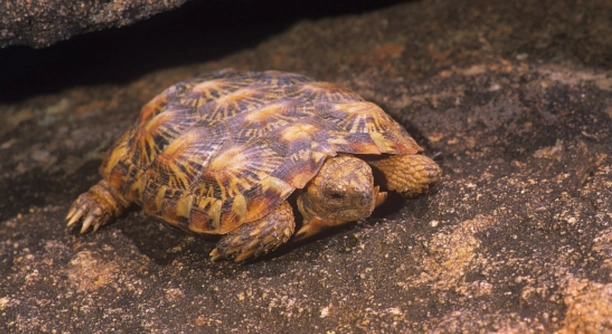
Pancake tortoises are known for their unique appearance and fascinating habits. While they enjoy basking in the sun, their delicate skin may be vulnerable to the harmful effects of overexposure. Understanding how to care for them is essential.
Pancake tortoises can indeed get sunburned, especially if they are exposed to direct sunlight for too long without proper shelter. This can lead to painful skin damage, dehydration, and even long-term health issues if not managed properly.
With the right precautions, such as providing shade and limiting direct sunlight exposure, you can help your pancake tortoise thrive without the risk of sunburn.
How Pancake Tortoises Are Affected by Sun Exposure
Pancake tortoises, like many reptiles, rely on the sun for warmth and energy. However, extended exposure to direct sunlight without proper shade can lead to serious problems. Their delicate skin is especially vulnerable to sunburn, which can result in redness, blisters, and even peeling. While these tortoises are built for warmer climates, they still need a balanced amount of sun and shade to remain healthy. It’s important to avoid leaving them in direct sunlight for too long, especially during the hottest parts of the day.
Ensuring your pancake tortoise gets just the right amount of sunlight and protection can prevent health issues. Providing areas for them to retreat from the sun is crucial for their well-being.
By offering shelter and a proper balance between sun and shade, your pancake tortoise can bask without risking overexposure. Be mindful of their needs, and you’ll help keep them comfortable and healthy year-round.
How to Protect Your Pancake Tortoise from Sunburn
Providing shade is the easiest way to protect your pancake tortoise from the sun. You can set up natural shelters using plants, rocks, or a dedicated hide. These spots will allow the tortoise to escape the harsh rays when needed.
Regularly monitor their basking areas to ensure they aren’t exposed for too long. A sheltered, shaded spot will also help regulate their body temperature. Too much sun can cause dehydration, affecting their overall health. Alongside shade, ensuring they have access to fresh water is important, as dehydration is a serious risk when they’re overheated.
Tortoises are resilient, but they do need your support to thrive. By creating an environment with varied temperatures and shelters, you’ll offer your pancake tortoise a safe space to enjoy the sun without the risks of burning.
The Importance of Shade for Pancake Tortoises
Shade is essential for pancake tortoises, as it helps regulate their body temperature and prevents overheating. Without proper shade, they can quickly become dehydrated or stressed, leading to serious health concerns. Providing a safe, shaded area allows them to retreat when they need a break from the sun.
Creating shaded spots is simple and effective. You can use natural elements such as rocks or plants, or even a small hut or hide for more controlled protection. These areas should offer enough coverage, so the tortoise can rest without feeling exposed. Remember, balance is key—too much shade can limit their access to necessary sunlight, so adjust accordingly.
Setting up proper shade not only helps prevent sunburn but also creates a comfortable and secure environment for your pancake tortoise. By offering these spaces, you’re supporting their natural behavior and overall well-being. It’s about creating a safe and balanced habitat where they can thrive.
Signs Your Pancake Tortoise Is Overexposed to the Sun
If your pancake tortoise has spent too much time under the sun, you’ll notice signs of distress. One of the first indicators is skin redness or irritation, similar to a sunburn. In more severe cases, blisters and peeling skin can occur, which is painful for them.
Dehydration is another major concern when a tortoise is overexposed. You might observe them becoming lethargic, with reduced movement and appetite. When their skin feels dry or tight, it’s a clear sign that they need more water and rest. These symptoms should not be ignored, as prolonged sun exposure can lead to long-term health issues.
It’s important to act quickly if you notice these signs. Move your tortoise to a shaded area, hydrate them, and keep an eye on their recovery. In the future, monitor their sun exposure more closely to avoid these issues.
How to Keep Your Pancake Tortoise Hydrated
Hydration is essential to help your pancake tortoise recover from the effects of sun exposure. Always provide access to fresh water. Tortoises can easily become dehydrated, which worsens the impact of sunburn. A shallow dish of water placed in a shaded area is ideal.
In addition to offering water, you can occasionally mist your tortoise to keep their skin moist. This can help with hydration and provide relief if they’ve been in the sun for too long. Be sure to check water levels regularly and clean the dish to avoid bacteria build-up.
Proper hydration is a simple yet effective way to keep your pancake tortoise healthy. Ensure they have constant access to fresh water, and they will stay hydrated and comfortable.
Proper Lighting for Your Pancake Tortoise
Your pancake tortoise needs access to UVB light, which is crucial for their health and helps them process calcium. Ensure they have a basking spot that offers both UVA and UVB rays. This supports their immune system and shell development.
If you house them indoors, use a UVB lightbulb to mimic natural sunlight. Without proper UVB exposure, they may develop health issues like metabolic bone disease. Keep the light within 12 inches of the basking spot, and replace bulbs every six months, as their UVB output diminishes over time.
Providing the right light helps your tortoise stay healthy and active, supporting their overall well-being.
Temperature Regulation for Your Pancake Tortoise
Temperature is a key factor in the care of your pancake tortoise. They thrive in warm environments, but they also need a range of temperatures to stay comfortable. Ensure their basking area is between 90°F to 95°F, with cooler spots around 75°F.
The variation in temperature allows them to regulate their body heat and prevents overheating. Avoid placing them in areas where the temperature fluctuates drastically, such as near air conditioners or heaters. Consistent and controlled temperature settings help them feel secure and encourage natural behaviors like basking and eating.
It’s essential to monitor the temperature regularly to make sure it remains within the optimal range for your tortoise’s health.
FAQ
Can pancake tortoises live outdoors?
Yes, pancake tortoises can live outdoors, but only in climates that are warm and stable. They are native to East Africa and thrive in environments with consistent heat and sunshine. If you live in a temperate climate, make sure they have a shelter to retreat to during colder or stormy weather. In addition to natural shade, ensure there’s protection from predators.
How much sunlight do pancake tortoises need?
Pancake tortoises need a balanced amount of sunlight. Too much can lead to sunburn and dehydration, while too little can result in insufficient vitamin D3 production. A few hours of direct sunlight each day is ideal, but they should always have access to a shaded area to regulate their body temperature.
Can pancake tortoises swim?
Pancake tortoises are not strong swimmers. While they may wade into shallow water, they are more suited to terrestrial environments. It’s essential to provide a shallow water dish where they can drink and soak. Avoid deep pools or areas where they might be submerged for long periods, as they can drown.
What is the ideal diet for pancake tortoises?
Pancake tortoises are herbivores and require a diet rich in leafy greens, grasses, and flowers. You can feed them dandelion greens, clover, kale, and other dark leafy vegetables. Avoid high oxalate foods like spinach and avoid feeding them fruit too often, as it can upset their digestion.
How do I know if my pancake tortoise is stressed?
Signs of stress in pancake tortoises include changes in eating habits, hiding more than usual, or excessive pacing. Stress can be caused by poor environmental conditions, such as excessive heat, lack of hiding spots, or overcrowding. A stressed tortoise may also stop basking or may be less active.
Do pancake tortoises need companions?
Pancake tortoises are solitary animals and do not require companions. In the wild, they spend most of their time alone, hiding in rock crevices. While it is possible to keep multiple tortoises together, make sure they have enough space to avoid territorial issues. Overcrowding can lead to stress or aggression.
How often should I feed my pancake tortoise?
Pancake tortoises should be fed daily, with the amount depending on their age and size. Hatchlings and juveniles require more frequent meals, while adults can eat once a day or every other day. Provide fresh greens and ensure the food is clean and free of pesticides. A varied diet is essential for their health.
What kind of habitat does a pancake tortoise need?
Pancake tortoises need a dry, warm habitat with areas for basking and hiding. The enclosure should have a temperature gradient, with a basking spot of around 90-95°F and cooler areas around 75°F. Provide hiding spots like rocks or logs, which mimic their natural environment. A well-ventilated space will help prevent humidity buildup.
Are pancake tortoises good pets?
Pancake tortoises can make good pets for those willing to meet their specific needs. They require a proper diet, controlled temperatures, and UVB lighting. They are relatively low-maintenance compared to other reptiles but do require a specialized environment to stay healthy. For owners with the right setup, they can be rewarding pets.
How long do pancake tortoises live?
Pancake tortoises have a long lifespan and can live for 30 to 50 years with proper care. Ensuring that their diet, living conditions, and medical care are on point will help extend their lifespan. Regular checkups with a reptile veterinarian can prevent many age-related issues.
Can pancake tortoises be kept indoors?
Yes, pancake tortoises can be kept indoors, but their habitat must be carefully managed. You’ll need a large enclosure with appropriate lighting, heating, and space for them to move around. Providing a basking area and UVB lighting is crucial. Regular access to fresh air and natural sunlight (or a UVB lamp) is necessary.
How do I ensure my pancake tortoise stays healthy?
To keep your pancake tortoise healthy, provide a balanced diet, ensure they have the right lighting and temperature, and offer a clean, safe environment. Regularly check for signs of illness such as changes in behavior or appetite. Maintaining a stable environment and keeping stress levels low is key to their well-being.
What should I do if my pancake tortoise is sick?
If you suspect your pancake tortoise is sick, it’s important to get them checked by a reptile veterinarian. Common signs of illness include lethargy, loss of appetite, abnormal shell growth, or discharge from the eyes or nose. Early detection is important for effective treatment and recovery.
Final Thoughts
Taking care of a pancake tortoise requires attention to detail, especially when it comes to their environment. These tortoises thrive in warm, dry conditions, and their habitat should reflect this. Proper lighting, a consistent temperature, and a clean, spacious area for them to roam are crucial. Without these conditions, they can quickly become stressed or unhealthy. Providing a comfortable living space is one of the best ways to ensure their well-being. If you take the time to set up a proper environment, your pancake tortoise will have a better chance of living a long, healthy life.
Feeding your pancake tortoise the right foods is another key part of their care. A diet rich in leafy greens, grasses, and flowers is essential for their health. Avoid overfeeding them with high-fat foods or fruit, as this can cause digestive issues. Hydration is also important, so always make sure your tortoise has access to fresh water. Providing a varied and balanced diet will help maintain their energy levels and support their natural growth. By staying consistent with their feeding routine, you will help them stay strong and healthy for years.
Lastly, be mindful of the signs of stress or illness. If your pancake tortoise starts acting differently—whether that’s by eating less, hiding more, or becoming less active—it could be a sign something is wrong. Common stress factors include temperature fluctuations, inadequate space, or exposure to strong sun without adequate shelter. If your tortoise seems unwell, seeking veterinary care quickly is important for their recovery. By being observant and proactive, you can help prevent major health issues. Ensuring their well-being requires dedication, but the rewards of having a happy, healthy pancake tortoise are well worth the effort.

Hello,
If you enjoy the content that we create, please consider saying a "Thank You!" by leaving a tip.
Every little bit helps us continue crafting quality advice that supports the health, happiness, and well-being of pets around the world, for pets of all shapes, sizes, and species.
We really appreciate the kindness and support that you show us!