
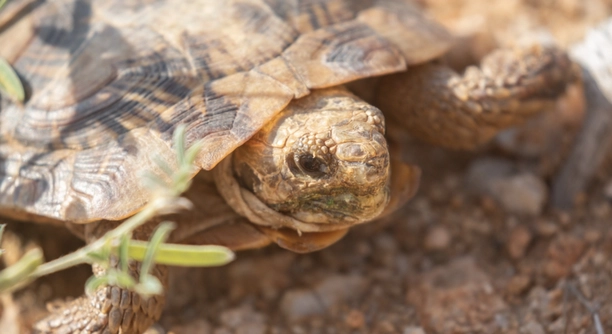
Pancake tortoises are unique creatures known for their resilience. However, their well-being may depend on more than just a suitable habitat. Owners may wonder whether these tortoises experience feelings of loneliness or need companionship.
Pancake tortoises are solitary animals by nature. They do not typically experience loneliness in the same way social animals do. However, providing them with an enriched environment and appropriate care is essential for their overall health and well-being.
Understanding these factors will help ensure your pancake tortoise’s comfort and happiness in its environment.
Do Pancake Tortoises Need Companionship?
Pancake tortoises are solitary animals, meaning they do not require constant companionship from other tortoises. Unlike social species, they prefer to live alone and are not known to form bonds with others. In their natural habitat, pancake tortoises spend most of their time hiding in crevices, only coming out to bask in the sun. They are not inclined to interact with one another unless it is for mating purposes. Because of their solitary nature, they are quite content being alone in a well-maintained environment.
While pancake tortoises do not seek companionship, they still need stimulation and a proper living environment. Without mental and physical enrichment, they may become stressed, which could lead to health issues.
To keep them happy, it’s important to create an engaging space. Adding hiding spots, climbing areas, and variety in their diet will help reduce any potential stress. It’s crucial that their habitat mimics the conditions of their native environment, with enough room for them to roam and explore.
Signs of Stress in Pancake Tortoises
Stress in pancake tortoises can manifest in several ways. Changes in behavior, such as reluctance to eat or excessive hiding, are often signs of distress.
When stress becomes prolonged, it can affect their immune system, making them more vulnerable to illness. Ensuring their habitat is spacious, clean, and appropriately set up will go a long way in preventing stress. These tortoises benefit from a quiet environment, so avoiding loud noises or excessive handling is key. Overcrowding in their enclosure should also be avoided, as this can lead to territorial behavior and further stress.
Creating the Ideal Habitat
A proper habitat is essential for pancake tortoises. They need a space that mimics their natural environment, with plenty of hiding places and areas to climb.
The enclosure should be large enough for them to move freely and explore. Add rocks, logs, or ledges to provide climbing opportunities and offer hiding spots to make them feel secure. The substrate should be dry and easy to clean, such as sand or soil, to mimic the rocky crevices they would naturally seek for shelter.
Temperature control is another key aspect. Pancake tortoises need a basking area with a heat source, as well as a cooler shaded area to regulate their body temperature. A UVB light is important to help them process calcium and maintain healthy bones.
Signs of a Healthy Pancake Tortoise
A healthy pancake tortoise shows consistent eating habits, active behavior, and normal shedding. Regular hydration and a varied diet contribute to their well-being.
Watch for signs like a healthy appetite, active movement, and clear eyes. A healthy pancake tortoise will also shed its skin in a consistent pattern without excessive dryness or abnormal discoloration. A proper diet, rich in greens and occasional protein, supports their growth and vitality. Regular check-ups and a well-maintained enclosure will ensure they stay in good health.
Proper hydration is also crucial. Make sure they have access to fresh water at all times.
Can Pancake Tortoises Live with Other Pets?
Pancake tortoises should not be kept with other pets, especially those of a different species. Their solitary nature means they do not seek the company of other animals.
In an enclosure shared with other animals, a pancake tortoise may feel stressed or threatened, which could impact its health. It’s best to provide them with their own dedicated space to avoid conflict.
Feeding Your Pancake Tortoise
Pancake tortoises primarily eat vegetation, such as leafy greens, grasses, and occasional flowers. They may also eat fruits, but this should be limited due to their high sugar content.
Providing a balanced diet is key to their health. Offer a mix of leafy greens like dandelion, collard greens, and mustard greens. Occasionally, add safe flowers like hibiscus and clover. Avoid feeding them foods high in fat or protein. Fresh water should always be available.
Handling Your Pancake Tortoise
Pancake tortoises do not like to be handled often. Excessive handling can lead to stress and health issues.
When handling your tortoise, be gentle and limit the time spent interacting. Use both hands to support its body to avoid injury. Always place your tortoise back in its enclosure carefully to ensure it feels secure.
FAQ
Can pancake tortoises live in a glass tank?
Yes, pancake tortoises can live in a glass tank, but there are some considerations to ensure their well-being. Glass enclosures can help maintain proper humidity and temperature, but they must be large enough to allow the tortoise to move freely. It’s important to provide hiding spots and climbing opportunities to mimic their natural environment. Additionally, ensure the tank has proper ventilation to prevent excess moisture buildup and to allow for adequate airflow. UVB lighting and heating elements are also necessary for maintaining their health in a glass tank.
How often should you feed a pancake tortoise?
Pancake tortoises should be fed once a day, offering a variety of leafy greens, grasses, and some flowers. It’s important to provide fresh food daily to meet their nutritional needs. You can occasionally offer fruits, but these should not be a regular part of their diet due to their high sugar content. Ensure that the food provided is free from pesticides and is safe for tortoises. They should always have access to clean water as well.
Do pancake tortoises need a heat lamp?
Yes, pancake tortoises require a heat lamp to maintain their body temperature. The basking area should be kept around 95°F to 100°F to allow the tortoise to regulate its body heat. The heat lamp should be positioned above the basking area, ensuring the tortoise can move between the warmer and cooler zones of the enclosure. Along with the heat lamp, it’s crucial to provide a UVB light, as it helps the tortoise absorb calcium and maintain strong bones.
What is the ideal temperature for a pancake tortoise?
The ideal temperature for a pancake tortoise’s enclosure should range from 75°F to 85°F during the day. The basking spot should be around 95°F to 100°F, while the cooler side of the enclosure should be around 70°F. At night, the temperature can drop to around 65°F. It’s important to maintain a temperature gradient in the tank, as this allows the tortoise to regulate its body temperature by moving between the warmer and cooler areas.
Can pancake tortoises live with other tortoises?
While pancake tortoises are solitary animals, they can sometimes live with other tortoises, but this requires careful monitoring. If housed with other tortoises, it’s important to make sure there is enough space for each animal to establish its territory. Aggression can occur, especially when food is scarce or there are limited hiding spots. It’s often safer to house pancake tortoises alone to reduce stress and potential territorial disputes.
What do pancake tortoises eat?
Pancake tortoises are herbivores and primarily eat a variety of leafy greens, grasses, and flowers. Good choices include dandelion greens, collard greens, and clover. They may also eat hibiscus flowers, mulberry leaves, and other safe, non-toxic plants. Avoid feeding them fruits too often, as they are high in sugar and can lead to health issues. It’s important to offer a varied diet to ensure they get all the necessary nutrients.
How long do pancake tortoises live?
Pancake tortoises have a lifespan of around 30 to 40 years in captivity if provided with proper care. They are slow-growing animals, and it may take them several years to reach full maturity. Their lifespan can be influenced by factors such as diet, habitat, and overall care. Regular health check-ups and maintaining their enclosure are key to ensuring they live a long, healthy life.
Do pancake tortoises need water?
Yes, pancake tortoises need access to fresh water at all times. They may not drink large amounts of water at once but will drink when necessary. It’s important to provide a shallow water dish that they can easily access. In addition to drinking, pancake tortoises also need humidity in their environment to stay healthy, especially in their skin and shells. Ensure that their enclosure is kept at the proper humidity level by occasionally misting it or using a humidity box.
Are pancake tortoises good pets?
Pancake tortoises can make good pets for those willing to put in the effort to care for them properly. They are low-maintenance in terms of daily interaction but require a suitable environment and proper diet. These tortoises are not as social as other pets, and they do not require constant attention. However, they are fascinating creatures that can live a long, healthy life if their basic needs are met. They are best suited for owners who are prepared to create and maintain an appropriate habitat.
Can pancake tortoises climb?
Yes, pancake tortoises are excellent climbers. In their natural habitat, they often use rocks and crevices to hide and move around. In captivity, it’s essential to provide climbing structures like rocks, logs, or ledges to allow the tortoise to display its natural behavior. These climbing opportunities also help keep them active and healthy.
Final Thoughts
Pancake tortoises can be fascinating pets when cared for properly. They are unique, with their flat, domed shells and peaceful nature. However, it’s important to understand their specific needs to keep them healthy and happy in captivity. These tortoises require a spacious and secure enclosure, a suitable diet, and the right environmental conditions. While they do not need constant interaction, they do need enough space and mental stimulation to thrive.
A proper setup includes providing a basking area with the correct temperature, a source of UVB light, and a hiding place where they feel secure. Their diet should focus on a variety of leafy greens and grasses. Fruits should only be offered occasionally, as they can cause digestive problems if overfed. Clean water must always be accessible, as they need hydration, even if they do not drink much at once. Regularly monitoring their habitat and adjusting as needed will help prevent health issues.
While pancake tortoises are not the most interactive pets, they can be interesting to watch. They are solitary by nature, so housing them alone is typically the best choice. With the right care, they can live for decades, making them a long-term commitment. If you are ready to meet their needs and provide a stable environment, a pancake tortoise can be a rewarding pet.

Hello,
If you enjoy the content that we create, please consider saying a "Thank You!" by leaving a tip.
Every little bit helps us continue crafting quality advice that supports the health, happiness, and well-being of pets around the world, for pets of all shapes, sizes, and species.
We really appreciate the kindness and support that you show us!