
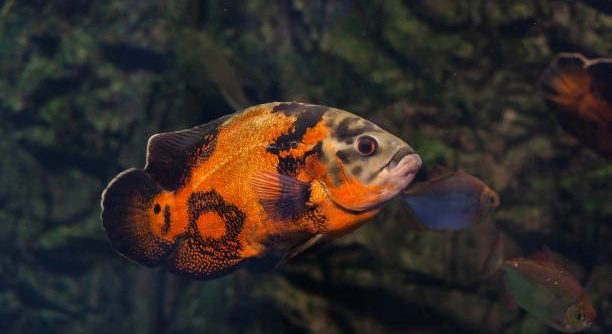
Have you ever watched your Oscar fish closely and wondered if it knows you’re looking at it through the glass?
Oscar fish are capable of recognizing visual cues in their environment, including the presence of people nearby. Studies suggest they may change their behavior when being observed, likely due to learned associations with feeding or interaction.
Some of their reactions might surprise you, and there’s more to explore about how they respond to human attention in captivity.
How Oscar Fish React to Being Watched
Oscar fish are smart, observant, and often aware of changes around them. When you stand near their tank or make eye contact, you might notice them swimming closer or acting more alert. Some Oscars even learn to associate your presence with feeding, which can make them more responsive. They may follow your movements, hover near the glass, or flare their fins. These behaviors are not random. Oscars are capable of forming simple associations, especially when routines are involved. Over time, they can recognize people and respond based on past experiences. If your Oscar swims toward you when you walk into the room, it likely understands that your presence means something. Watching them react can be rewarding, and it’s part of what makes keeping Oscars so engaging. They’re more interactive than many other freshwater fish, and their ability to recognize patterns makes them stand out in a home aquarium.
Some Oscars can even distinguish between different people, reacting more strongly to the person who feeds them.
This shows a level of visual memory and behavior shaping that goes beyond basic instinct, suggesting they adapt to human interaction.
Why Behavior May Vary Between Fish
Oscar fish don’t all act the same way. One might rush to the glass while another stays back, even in the same tank.
Fish behavior depends on their environment, how they were raised, and how often they’ve interacted with people. Some Oscars are raised in quiet tanks with little stimulation. These fish may be more cautious or withdrawn when someone approaches. Others are kept in busier areas and get used to movement and voices early on. These fish tend to be more outgoing. Feeding schedules also matter. If you’re consistent, the fish quickly learn to associate your presence with food. Inconsistent feeding may confuse them, making them less responsive. Personality plays a role, too. Just like people, some Oscars are naturally bolder or more curious. Watching how they change over time can give you insight into what they’re picking up from their surroundings. With regular interaction, even shy Oscars can become more responsive.
What Influences Their Awareness
Lighting, tank placement, and feeding habits can all affect how aware your Oscar fish is of your presence. A well-lit tank in a high-traffic area can help the fish become more familiar with movement and people nearby.
Oscar fish kept in dim corners or quiet rooms may be less responsive simply because they don’t get the same visual or environmental stimulation. Consistent lighting mimics natural day-night rhythms, helping them stay alert and active. Feeding at the same time every day helps them learn to expect food and associate your presence with something positive. If you approach the tank only during feeding, they’ll likely start responding specifically to you. Sudden light changes or irregular feeding can cause confusion or stress, which affects their overall behavior. Creating a stable, consistent environment helps Oscars recognize patterns and react in more noticeable ways. This builds trust and increases their engagement with you.
Over time, these patterns can lead to more complex responses. Some Oscars may start greeting you, following your hand, or watching you even when you’re not feeding them. This type of behavior doesn’t mean they fully understand what watching means, but it does suggest a level of awareness. It’s often shaped by habit, routine, and their ability to adapt.
Signs Your Oscar Is Observing You
Oscars might seem still at first, but they’re usually paying close attention. If your fish follows your movements or watches as you approach, it’s likely observing and reacting to you intentionally.
Some signs are subtle—like a slow shift in body angle when you move across the room. Others are more obvious, such as swimming directly toward the front of the tank or flaring fins. These actions can signal excitement, curiosity, or even territorial behavior. If your Oscar acts differently depending on who enters the room, it may be recognizing individuals. Many owners report that their fish behave more actively around certain people, especially those who feed them regularly. These patterns of interaction build up over time and can become more noticeable with consistent care. Paying attention to your Oscar’s responses helps you understand how much it’s aware of your presence—and possibly even when you’re watching.
How to Encourage Interaction
Spend a few minutes each day near the tank without feeding. This helps your Oscar get used to your presence without expecting food, building trust and reducing stress in the long run.
Move slowly and avoid tapping the glass. Gentle motions and consistency help the fish feel safe, encouraging more natural and confident behavior.
When to Expect Changes
Behavioral changes don’t happen overnight. It can take days or even weeks for an Oscar fish to respond consistently to your presence. If you’re patient and keep a regular schedule, your fish will start recognizing patterns. Look for signs like swimming to the glass, flaring fins, or following your hand—these are signs of engagement. Keep interactions brief at first, especially if the fish seems nervous. Over time, you’ll likely notice stronger reactions and more curiosity. The more stable and familiar your behavior is, the more likely your Oscar is to respond in meaningful ways. Consistency is key with this species.
Why It Matters
Recognizing your presence shows your Oscar is alert, learning, and forming basic associations. It also helps create a better bond between you and your fish.
FAQ
Can Oscar fish see people outside the tank?
Yes, Oscar fish can see people moving outside their tanks. Their vision is fairly sharp in water, especially if the glass is clean and lighting is good. They often recognize shapes and movement and may respond by swimming toward the front of the tank. Over time, they can even start to associate certain people with food or interaction. If you stand near the tank regularly, your Oscar might begin to notice and react to you, showing signs like flaring fins, shifting position, or coming closer.
Do Oscar fish actually recognize their owners?
Oscar fish don’t recognize people the way dogs or cats might, but they can learn to associate certain individuals with feeding or attention. If you’re the one feeding your fish daily, it will likely respond to you more than others. This response may include swimming to the glass, following your hand, or becoming more active when you approach. While it’s not deep emotional recognition, it’s still a sign of learned behavior and basic memory, which shows your Oscar is paying attention to its surroundings.
Why does my Oscar follow me around the tank?
Oscars often follow movement near the tank out of curiosity or expectation. If your Oscar follows you, it may be waiting for food or simply watching to see what you’ll do next. These fish are naturally inquisitive and observant. Repetitive behaviors—like feeding at the same time—train them to recognize routines. Following you could be a learned behavior or a response to stimulation. It’s one of the clearest signs your Oscar is aware of your presence and trying to engage in some way.
How smart are Oscar fish compared to other fish?
Oscar fish are known for being more intelligent than many other aquarium species. They show signs of learning, memory, and recognition. They can be trained to take food from your hand or respond to consistent signals. Their ability to notice patterns and respond to humans sets them apart from more passive species. While their intelligence isn’t on the same level as mammals, it’s enough to support more complex behaviors like awareness of being watched or identifying specific people. With regular interaction, their behavior can become even more responsive.
Can I train my Oscar fish to respond to me?
Yes, it’s possible to train Oscar fish using simple conditioning. Start by feeding them at the same time each day. You can also introduce hand signals or motions before offering food. Over time, your Oscar may begin to respond to those cues by swimming to the surface or following your hand. The key is repetition and consistency. Don’t expect fast results, but with patience, your Oscar will learn to recognize patterns. This form of interaction can help strengthen their awareness and make them more responsive to your presence.
Why does my Oscar hide when I’m near the tank?
Hiding is a natural response, especially for a new or stressed Oscar. If the tank setup is unfamiliar or the fish feels unsafe, it may retreat behind decorations or inside caves. Loud noises, sudden movements, or tapping on the glass can increase this behavior. Give your Oscar time to adjust, and try sitting quietly nearby for a few minutes each day. As the fish gets used to your presence and feels more secure in its environment, hiding will likely decrease. Gentle consistency helps your Oscar learn you’re not a threat.
Is my Oscar fish stressed when it stares at me?
Not necessarily. Staring or facing you directly might look intense, but it often means your Oscar is watching and trying to understand what’s happening. If the fish shows other signs of stress—like darkened colors, clamped fins, or erratic swimming—then it’s worth checking the tank environment. But if the fish looks alert and calm while watching you, it’s likely just observing. Many owners report that their Oscars keep an eye on them throughout the day, especially if feeding or changes in routine are expected.
How long does it take for an Oscar to get used to being watched?
It varies from fish to fish. Some Oscars adjust within a few days, while others take several weeks to feel comfortable. Factors like tank setup, lighting, prior experiences, and how frequently you interact with them all play a role. If you’re patient and consistent, your Oscar will likely start reacting more naturally to you. Try to avoid overwhelming the fish early on. Sit quietly, move slowly, and avoid tapping or making quick movements. Gradually, the fish will start recognizing you as part of its environment and respond with less hesitation.
Final Thoughts
Oscar fish are more observant than many people expect. Their ability to notice changes outside the tank, follow movement, and respond to feeding routines shows that they have a basic awareness of their surroundings. While they may not fully understand what a human is, they can recognize certain patterns and associate specific people with food, care, or attention. Over time, they may even become more responsive and active when their usual caretaker approaches. This type of behavior is often seen in fish that are kept in stable environments with consistent interaction.
Understanding this level of awareness helps explain why many Oscar fish seem to act differently when someone is watching them. Some may become more curious and swim closer to the glass. Others might stay still and watch you back. These small behaviors often reflect their interest in what’s happening outside the tank. It’s not about emotion or deep understanding, but rather a learned response. Oscars remember routines and begin to connect outside movement with their daily experiences, such as feeding or tank cleaning. If you’re patient and observant, you can learn to recognize their responses and build a more interactive relationship with them.
While Oscar fish are not as social as mammals or birds, they still show a surprising level of interaction. With consistent care, clean water, and a calm environment, they can become more comfortable with being watched and may even seem to enjoy the attention. Watching their behavior can also help you spot any signs of stress or discomfort early on. If they hide often or react sharply to movement, it may be a sign that something needs to be adjusted in their tank. In the end, having an Oscar fish is not just about feeding and cleaning—it’s also about observing, learning, and providing a safe space for them to thrive. The more you pay attention to their behavior, the more they may respond to your presence in quiet but meaningful ways.

Hello,
If you enjoy the content that we create, please consider saying a "Thank You!" by leaving a tip.
Every little bit helps us continue crafting quality advice that supports the health, happiness, and well-being of pets around the world, for pets of all shapes, sizes, and species.
We really appreciate the kindness and support that you show us!