
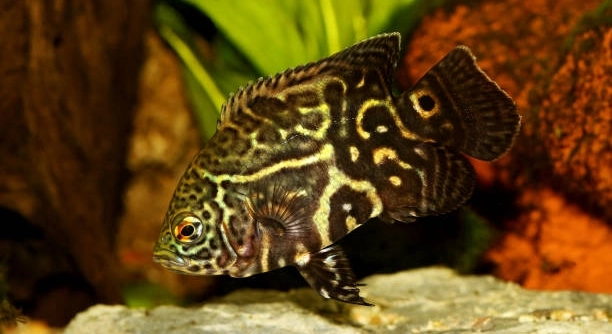
Oscar fish are known for their intelligence and curiosity. Tank rearrangement is a common practice, but it raises the question of whether these fish can understand the changes and adapt to a new environment in their aquarium.
Research shows that Oscar fish possess strong spatial memory and are capable of recognizing changes in their tank layout. They can associate certain objects or locations with food, and rearranging the tank may momentarily disrupt their sense of familiarity.
Tank rearrangements can affect their behavior and feeding habits. Understanding how Oscar fish react to these changes can help improve their well-being and comfort in an aquarium setting.
How Oscar Fish React to Tank Changes
Oscar fish, with their sharp memory, tend to notice any alteration in their environment. A rearranged tank can confuse them initially, as they rely on familiar landmarks. This disruption may lead to stress, which can affect their overall well-being. In the wild, these fish have a set territory, and changing that space can be unsettling for them.
When a tank is rearranged, Oscar fish might display signs of confusion or agitation. They may swim in circles or even hide in corners for a period of time. This behavior is not unusual, as they are trying to reorient themselves and assess the new layout. The stress they experience can also lead to a temporary loss of appetite.
Oscar fish are intelligent and can adapt to changes, but it might take a few days for them to adjust to a new tank setup. They use their memory and spatial awareness to learn new patterns in their environment. Providing a calm, stable environment during this period will help reduce stress and allow them to adjust more quickly.
Tips for Tank Rearrangement
Before rearranging, it’s best to observe your Oscar fish for signs of distress. Giving them a few days to acclimate before making significant changes can help.
To minimize stress, keep the tank rearrangement simple. Move only a few objects at a time and avoid drastic changes to the tank’s layout. Introduce the new arrangement gradually, offering the fish plenty of time to adjust to the changes. Reducing the stress during this transition will help the Oscar fish regain their confidence faster.
The Importance of Familiar Objects
Oscar fish rely on specific objects in their tank for orientation. These familiar landmarks help them feel secure. When the layout changes drastically, the fish might feel disoriented. The rearrangement may initially cause confusion and stress, especially if their hiding spots or feeding areas are altered.
Their memory of the tank’s previous arrangement plays a role in how quickly they adjust. The more drastic the change, the longer it may take for them to reorient themselves. Maintaining some familiar objects in the new setup can help ease the transition, offering a sense of security as they navigate the new space.
It’s also important to consider the positioning of essential items, such as filters and heaters. If these objects are moved too much, it may disrupt the fish’s routine and cause further stress. Keeping these items in similar locations, even if other elements are rearranged, allows the fish to adapt without feeling overwhelmed.
Reducing Stress During Rearrangement
Reducing stress during tank rearrangement can be achieved through small steps. A gradual shift allows Oscar fish to acclimate better. Moving the décor or objects a little at a time prevents sudden changes that may confuse them. It’s crucial to be mindful of how much change is introduced at once.
Consider rearranging the tank when the fish are less active, perhaps during the night or when they are resting. This minimizes the chance of them being directly impacted by the rearrangement. Maintaining a calm environment during the process allows them to adjust without adding unnecessary stress.
After the change, it’s helpful to observe the fish closely. If they seem excessively stressed or lose their appetite, it may be beneficial to give them extra space and time to adapt. Offering consistent, calm behavior around the tank can help them feel more secure.
Behavioral Changes After Rearrangement
After a tank rearrangement, Oscar fish may act differently. They could swim more erratically or hide longer than usual. These changes are often temporary and linked to their need to adjust. It’s important to observe their behavior during this time to ensure their comfort.
Stress from rearrangement can also lead to slower movements and a lack of interest in food. It’s natural for them to take some time before returning to their normal routine. Reducing any additional disturbances in the tank can help them settle more quickly.
Tank Placement and Lighting Adjustments
Tank placement can influence how Oscar fish respond to changes. Bright or sudden lighting shifts can add to their stress. When rearranging the tank, it’s helpful to maintain consistent lighting and avoid placing the tank in a location with frequent disturbances. Keeping the area quiet and undisturbed aids in a smoother transition.
The fish need time to adjust to the new surroundings. Over time, they will become familiar with the new setup. Ensuring the lighting remains steady and calming during this period will minimize added stress.
Feeding During the Transition
Feeding Oscar fish during a tank rearrangement can be tricky. They may refuse food initially due to stress. Offering smaller, frequent meals can help them regain their appetite. You may need to try different types of food until they show interest again.
Patience is key during this phase.
FAQ
Can Oscar fish recognize changes in their tank layout?
Yes, Oscar fish are known for their strong memory and ability to recognize their surroundings. They can notice changes in the tank layout, especially when objects are moved or removed. This can initially cause confusion and stress, as they rely on familiar landmarks. Over time, they will adapt to the new setup.
How long does it take for Oscar fish to adjust to a tank rearrangement?
It can take a few days for Oscar fish to adjust to a rearranged tank. Their reaction may vary depending on the extent of the changes. In general, it’s best to give them a week or so to fully adjust and regain their comfort in the new environment. During this time, they may display unusual behaviors such as hiding or swimming erratically.
What should I do if my Oscar fish stops eating after a tank rearrangement?
Oscar fish may lose their appetite temporarily after a tank rearrangement due to stress. Offer smaller, more frequent meals and avoid overfeeding. It might help to provide a variety of food to see what they prefer during this period. If they continue to refuse food, monitor them closely for signs of further stress or health issues.
Can rearranging the tank harm my Oscar fish?
If done too abruptly or too often, rearranging the tank can stress Oscar fish and disrupt their sense of security. It’s important to rearrange carefully and avoid drastic changes. As long as the rearrangement is done gradually and the fish are given time to adjust, it should not cause harm.
How can I minimize stress for my Oscar fish during a tank rearrangement?
To minimize stress, move only a few items at a time and avoid sudden, major changes. It’s best to rearrange the tank when the fish are less active, such as at night. Keep lighting and other environmental factors consistent. After the rearrangement, observe your fish closely and give them time to adjust without additional disturbances.
Do Oscar fish need specific hiding spots in their tank?
Yes, Oscar fish appreciate having hiding spots in their tank. These spots provide them with a sense of security, especially when they feel stressed or threatened. When rearranging the tank, make sure to maintain or provide new hiding places to help them feel safe during the transition.
Will Oscar fish become less stressed if they have tank mates?
Oscar fish are generally solitary and territorial. While they can coexist with other fish, having tank mates might not necessarily reduce stress caused by rearrangements. In fact, adding new fish could increase the level of stress. It’s important to consider their personality and the dynamics of the tank when adding other fish.
What are some signs that my Oscar fish is stressed after a tank rearrangement?
Signs of stress include erratic swimming, hiding, loss of appetite, and darkening of the skin. They may also appear more lethargic than usual or avoid areas they once frequented. If these symptoms persist for more than a few days, it may be necessary to assess the tank conditions and make further adjustments.
Should I avoid rearranging the tank often?
Yes, frequent rearrangements can cause unnecessary stress to your Oscar fish. It’s important to only rearrange the tank when necessary. Consistent changes in their environment can disrupt their territorial instincts and make them feel unsafe. If rearranging is needed, do it slowly and gradually.
Can I rearrange the tank while my Oscar fish is still in it?
It’s generally recommended to rearrange the tank while the Oscar fish is not in it. However, if you must rearrange with the fish in the tank, do so carefully and try to minimize movement to avoid startling them. Remove any decorations or objects slowly and give the fish plenty of time to adjust.
Do Oscar fish get along with other fish after a tank rearrangement?
Oscar fish can be aggressive, especially in smaller tanks or when they feel their territory is threatened. After a rearrangement, their aggression might temporarily increase as they try to reestablish dominance in their new environment. Be mindful of their behavior and ensure tank mates are suitable for the Oscar fish’s temperament.
Is it better to rearrange the tank when Oscar fish are sleeping?
Yes, rearranging the tank while the fish are less active, such as when they are resting or during the night, can help reduce the level of stress. Oscar fish are less likely to be disturbed or startled during this time, allowing for a smoother rearrangement process.
Can I rearrange the tank if my Oscar fish is sick?
It’s best to avoid rearranging the tank if your Oscar fish is sick. Stress from tank changes can weaken their immune system and exacerbate any health issues. Focus on providing a stable and calm environment for recovery before considering any rearrangement.
Final Thoughts
Rearranging an Oscar fish tank can impact the fish in ways that may not always be immediately apparent. Oscar fish are highly sensitive to changes in their environment, especially when it involves the layout of their tank. They rely on familiar objects to feel secure, and when these objects are moved or removed, they may experience stress. This stress can manifest in various ways, including erratic swimming, hiding, or loss of appetite. Understanding these reactions is important for providing a stable environment for your Oscar fish.
While Oscar fish may need time to adjust to a new tank layout, there are steps you can take to make the transition easier. Gradually rearranging the tank, rather than making drastic changes, can help reduce stress. Additionally, maintaining a consistent lighting schedule and ensuring that their essential needs, like hiding spots and proper water conditions, are met will aid in their adjustment. Being mindful of the fish’s comfort during the rearrangement process can help them adapt faster and prevent long-term stress.
In the long run, keeping your Oscar fish in a stable and familiar environment is key to their well-being. Though occasional rearrangements are fine, it’s important to be mindful of how they may affect the fish’s behavior and health. By minimizing stress during the process and observing their reactions, you can help ensure that your Oscar fish remains healthy and comfortable in their home.

Hello,
If you enjoy the content that we create, please consider saying a "Thank You!" by leaving a tip.
Every little bit helps us continue crafting quality advice that supports the health, happiness, and well-being of pets around the world, for pets of all shapes, sizes, and species.
We really appreciate the kindness and support that you show us!